Image Credit :chainalysis
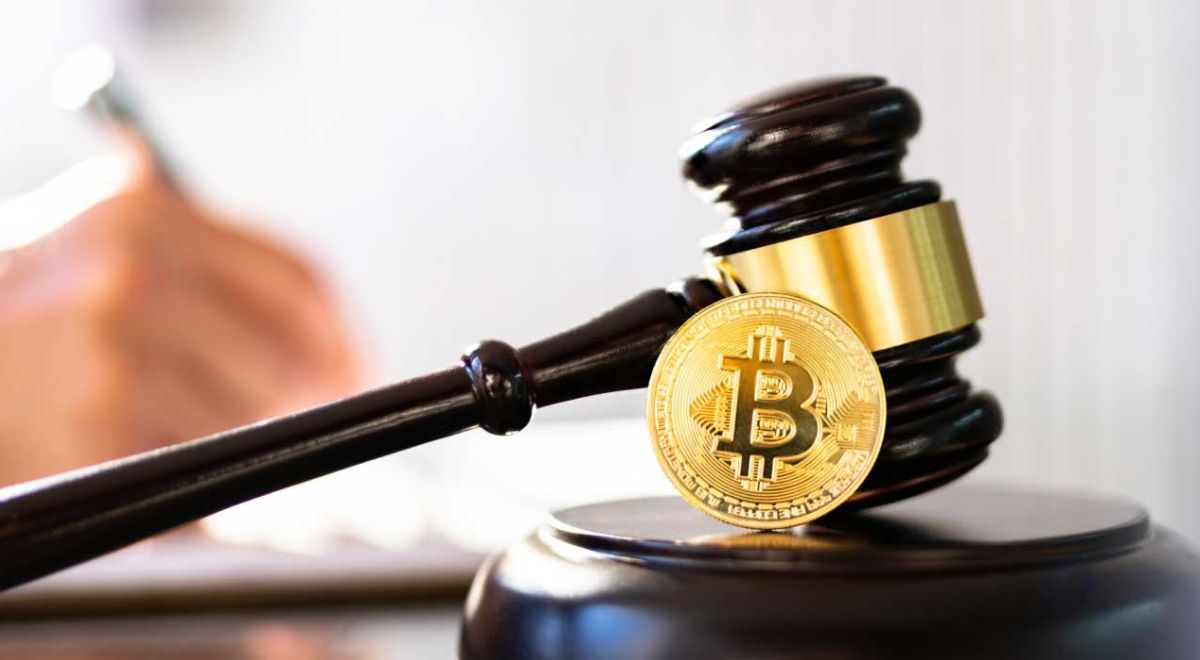
For anyone tracking global crypto regulation, the landscape of late 2025 looks vastly different from that of a year earlier. The speed of regulatory change has been striking, with governments and regulators moving from discussion to action at an unprecedented pace. As the world prepares to enter 2026, digital asset policy is no longer experimental — it is becoming embedded in mainstream financial regulation.
This review highlights the most important regulatory developments of 2025, explores regional approaches, and outlines the key themes likely to shape crypto policy in 2026.
Table of Contents
ToggleGlobal Regulatory Trends Shaping Digital Assets
1. From Rulemaking to Real-World Implementation
Over recent years, many jurisdictions designed frameworks for cryptoassets, but 2025 marked the year those rules were actively put into practice. Implementation has proven complex, revealing political, technical, and operational challenges.
In the European Union, the Markets in Crypto-Assets Regulation (MiCA) became fully applicable in early 2025. While it represents the world’s first unified crypto framework, its rollout has been uneven. National regulators have interpreted requirements differently, and firms continue to navigate unresolved questions, especially around stablecoins, payment services, and investment regulations.
Similar challenges appeared globally. In Singapore, the swift introduction of Digital Token Service Provider rules forced businesses to rapidly reassess compliance. Across multiple jurisdictions, implementing the Travel Rule remained difficult, particularly in areas such as unhosted wallets, data-sharing standards, and technical interoperability.
These early challenges are expected and will likely continue into 2026 as regulators refine guidance and firms strengthen compliance capabilities.
2. Stablecoins Move to the Forefront
Stablecoins became the centerpiece of crypto regulation in 2025. In the United States, the passage of the GENIUS Act established a federal framework for stablecoin issuers, setting a global benchmark. Although only a handful of jurisdictions — including Japan, the EU, and Hong Kong — have fully implemented stablecoin rules, many others have accelerated policy development.
Regulators are addressing issues beyond price stability, such as reserve management, audits, financial integrity, capital flows, and anti-money laundering obligations. Regulation is already reshaping stablecoin markets. In Europe, firms have shifted toward MiCA-compliant stablecoins, while the U.S. has restricted the domestic use of certain foreign-issued stablecoins.
Looking ahead, questions around cross-border recognition, distribution of non-compliant stablecoins, and regulatory equivalence will strongly influence which stablecoins achieve global scale.
3. Tokenization Gains Momentum
Tokenization of financial instruments and real-world assets gained significant traction in 2025. Tokenized money market funds backed by U.S. Treasuries exceeded $8 billion in assets, while tokenized commodities such as gold surpassed $3.5 billion. Though still small relative to global markets, growth has been rapid.
Regulators largely adopted an experimentation-first approach. Singapore transitioned from pilot projects to operational frameworks. In the United States, regulators launched initiatives to examine how securities laws apply to on-chain assets and permitted limited tokenized securities activity within existing market infrastructure. In Europe, tokenization has become part of a broader strategy to modernize capital markets and enhance competitiveness.
4. Traditional Finance Enters the Crypto Space
Banks and traditional financial institutions moved decisively into crypto in 2025, offering custody, trading, stablecoin issuance, and tokenized products. This shift was supported by a more accommodating regulatory stance, particularly in the United States, where banking regulators rolled back earlier restrictions.
International banking authorities also signaled a review of prudential standards that had previously discouraged crypto exposure. Alongside this, clearer guidance on managing money laundering risks helped banks engage with crypto businesses more confidently.
In Europe, MiCA’s regulatory clarity similarly encouraged traditional institutions to launch crypto and tokenization initiatives under a harmonized rulebook.
5. Financial Crime and Asset Recovery Take Priority
As crypto adoption expanded, so did concerns around illicit use. In response, regulators and law enforcement focused on improving asset recovery, strengthening AML frameworks, and enhancing public-private cooperation.
Global guidance published in 2025 emphasized best practices for seizing and returning cryptoassets and encouraged the use of blockchain analytics. Cyber fraud and investment scams also received heightened attention, with several countries introducing stricter obligations for financial institutions and platforms to protect consumers.
Enforcement actions intensified, particularly in the United States, where authorities imposed sanctions, seized assets, and dismantled large fraud networks. These efforts signal that combating financial crime will remain central to building trust in digital assets.
Regional Policy Developments
United States: A Pro-Crypto Policy Shift
The most dramatic regulatory shift occurred in the United States. A new policy direction replaced years of hostility with an explicit goal of strengthening U.S. leadership in digital assets. Regulatory agencies reduced enforcement-heavy approaches and focused on enabling innovation within existing legal frameworks.
The GENIUS Act established a nationwide stablecoin regime, while discussions on broader market structure reforms continued. Banking regulators also became more open to crypto-related activities, providing clearer risk management guidance.
Asia-Pacific: Rapid but Uneven Progress
Asia-Pacific saw accelerated regulatory momentum despite differing starting points. Japan advanced reforms to treat crypto as an investment product. South Korea enforced new rules against unfair trading practices. Hong Kong enacted a stablecoin law and expanded oversight of custody and trading.
Significant shifts occurred in Pakistan and Vietnam, where crypto moved from regulatory uncertainty to formal recognition and licensing frameworks. Across the region, regulators continued aligning with global AML standards.
Europe: MiCA in Action
One year into full implementation, MiCA proved transformative. Dozens of crypto service providers received authorization, euro-denominated stablecoins gained traction, and traditional institutions entered the market.
However, open questions remain around supervisory models, stablecoin issuance structures, and how crypto rules intersect with existing payment laws. Europe also moved toward stricter, harmonized AML enforcement through a new union-wide regulation and centralized supervision.
United Kingdom: From Marginal Oversight to Full Framework
In 2025, the UK transitioned from limited crypto oversight to proposing a comprehensive regulatory regime. New consultations covered market conduct, disclosures, prudential rules, and activities such as staking and lending, expanding beyond existing international standards in key areas.
Middle East: Institutional and Payment-Focused Growth
The Middle East focused on building robust regulatory infrastructure. The UAE strengthened licensing regimes, emphasized stablecoins for payments and settlement, and promoted tokenized finance. Other Gulf countries advanced structured frameworks while maintaining cautious approaches to innovation.
Latin America: Formalizing High Adoption
Latin America shifted from primarily AML-based oversight toward comprehensive crypto regulation. Brazil led the region with detailed licensing and supervisory rules. Other countries began addressing consumer protection and market integrity while focusing on stablecoins’ role in payments and inflation hedging.
Africa: Regulation Catches Up to Usage
Africa continued to see strong retail-driven crypto adoption. South Africa emerged as a regulatory leader, licensing crypto service providers and implementing Travel Rule requirements. Other countries moved toward structured supervision while managing monetary and financial stability concerns.
What to Watch in 2026
Continued Expansion of Stablecoin Regulation
Many jurisdictions will finalize stablecoin laws in 2026. However, global standard-setters have warned of remaining gaps in risk management, capital buffers, and recovery planning. New guidance on AML and secondary market monitoring is expected.
Heightened Focus on AML and Cybersecurity
With crypto now part of mainstream finance, regulators are intensifying scrutiny of money laundering risks and cyber threats. Large-scale hacks and state-linked actors have elevated concerns, pushing cybersecurity and operational resilience from best practice to baseline expectation.
Growing Cross-Border Fragmentation
Despite global markets, regulation remains national. Differences in licensing, reserve rules, and exchange structures risk fragmenting liquidity and raising costs for international firms. Whether regulators can reduce inconsistencies or move toward mutual recognition will be a key issue in 2026.