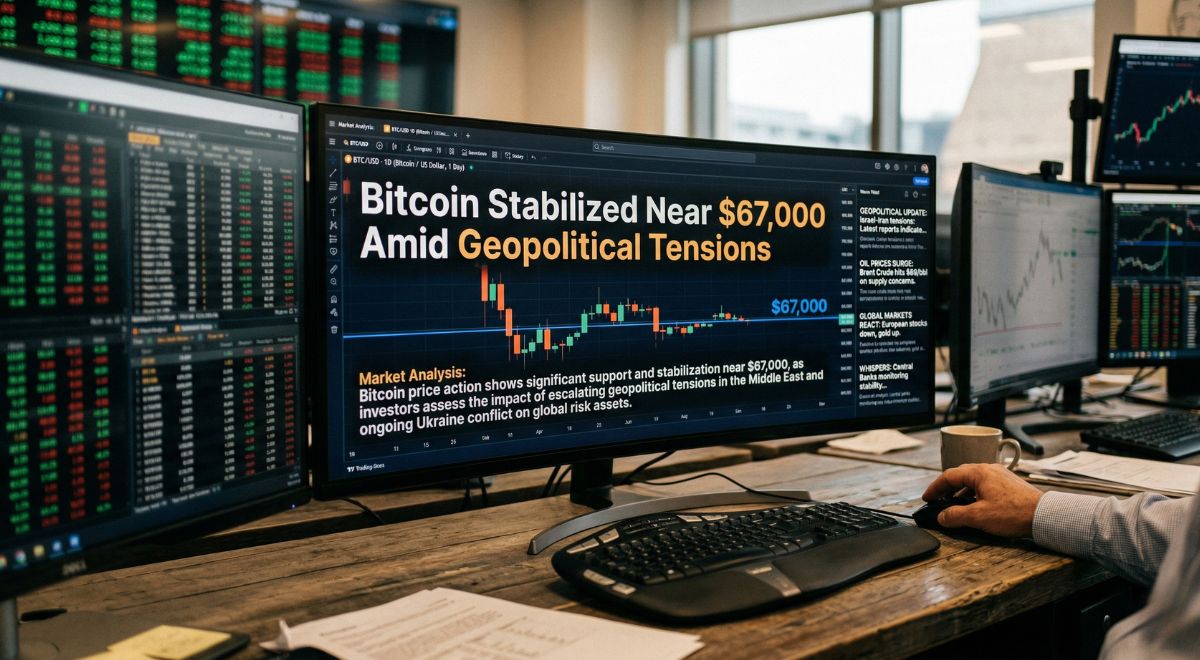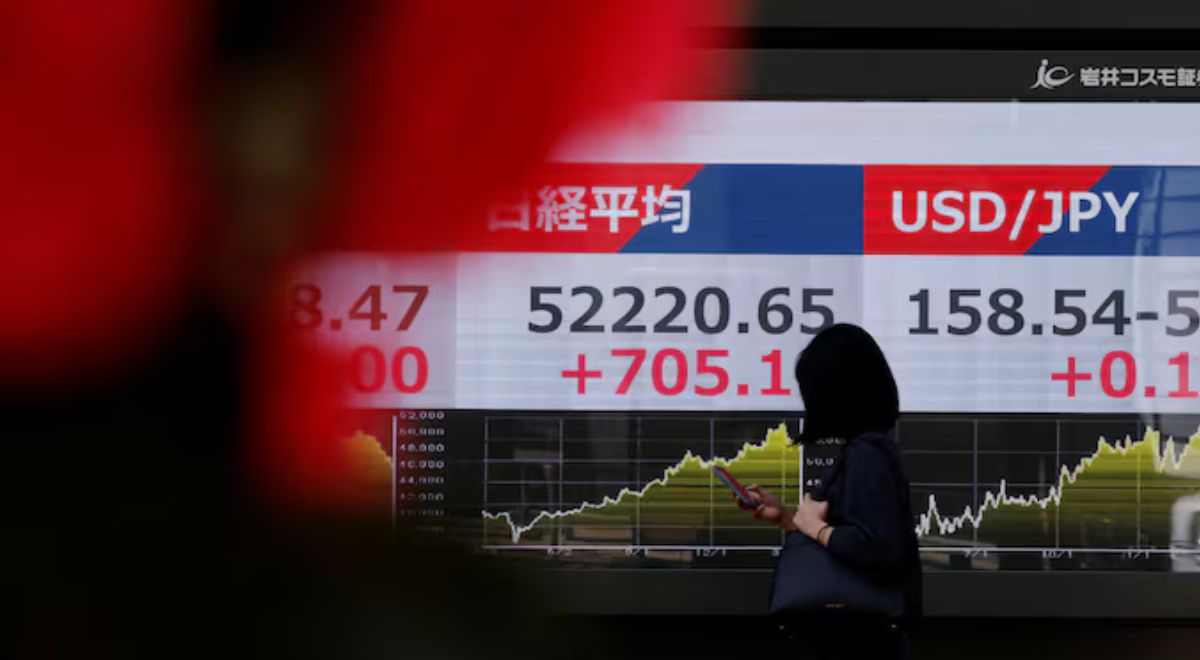
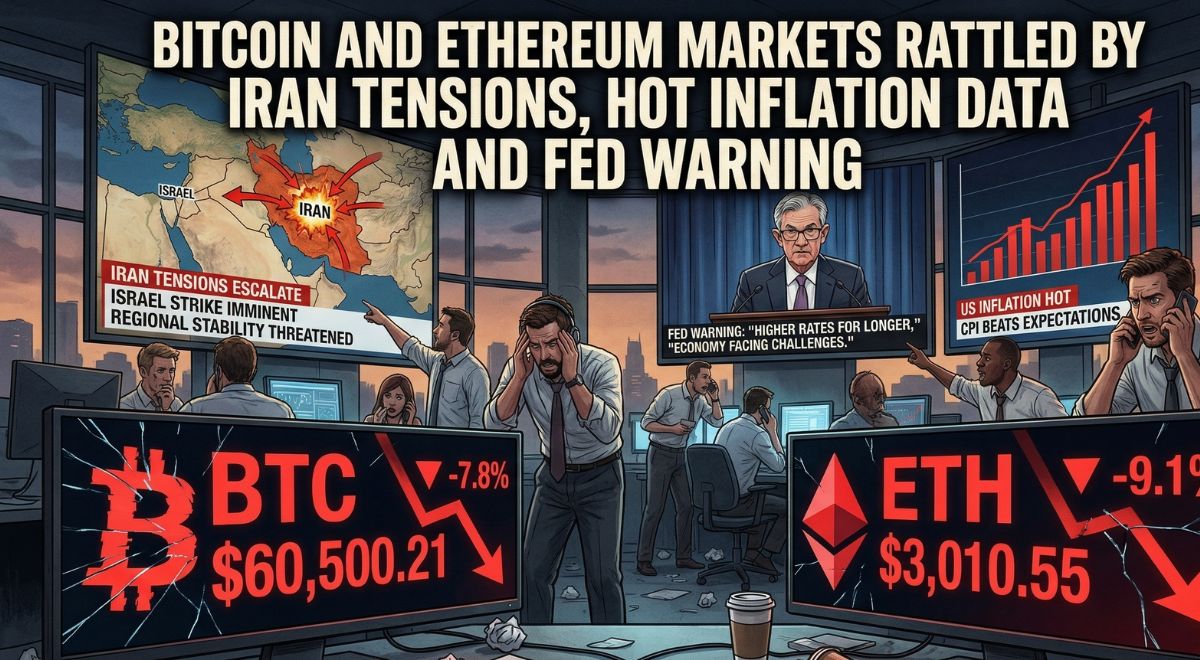
The global cryptocurrency market is facing renewed volatility as a powerful mix of geopolitical conflict, rising inflation, and cautious central bank policy shakes investor confidence. Bitcoin and Ethereum—two of the world’s largest digital assets—are currently under pressure as markets react to escalating Iran tensions, stronger-than-expected inflation data, and fresh warnings from the U.S. Federal Reserve.
Table of Contents
ToggleGeopolitical Tensions Trigger Market Uncertainty
The ongoing conflict involving Iran has emerged as a key driver of global financial instability. Rising oil prices linked to the conflict have intensified inflation concerns, pushing investors toward safer assets and away from high-risk markets like cryptocurrencies.
Recent market behavior shows that Bitcoin has struggled to maintain momentum, slipping below key psychological levels such as $70,000, while Ethereum has faced resistance near the $2,000 range. Analysts note that geopolitical shocks typically trigger a “risk-off” sentiment, leading to sell-offs across both traditional and digital markets.
Additionally, fears of a prolonged conflict—potentially disrupting global energy supplies—have added further uncertainty. Some forecasts even warn that oil prices could spike dramatically, creating ripple effects across global markets, including crypto.
Inflation Data Adds to Market Pressure
The latest U.S. inflation data has compounded the situation. Higher-than-expected inflation readings suggest that price pressures remain persistent, largely driven by rising energy costs linked to the Middle East conflict.
Investors closely watch inflation metrics like the Consumer Price Index (CPI) because they directly influence monetary policy decisions. When inflation remains elevated, central banks are less likely to cut interest rates—reducing liquidity in the market and weakening demand for speculative assets like Bitcoin and Ethereum.
This macroeconomic backdrop has led to cautious trading behavior, with both BTC and ETH entering consolidation phases rather than showing strong bullish trends.
Federal Reserve Signals Caution
Adding to market anxiety, the U.S. Federal Reserve has adopted a cautious stance, signaling that interest rates may remain higher for longer.
According to recent updates, the Fed has held interest rates steady while acknowledging that inflation remains above its 2% target. Rising oil prices and geopolitical risks are complicating the central bank’s path forward.
Fed Chair Jerome Powell has also warned that energy prices and tariffs are continuing to keep inflation elevated, making it difficult to justify aggressive rate cuts in the near term.
Market expectations for rate cuts have already been scaled back significantly, with investors now anticipating minimal easing in 2026. This shift has reduced liquidity expectations—an essential driver for crypto market rallies.
Crypto Markets React: Volatility and Consolidation
As a result of these combined pressures, the crypto market is experiencing heightened volatility:
- Bitcoin (BTC): Trading below key resistance levels, with downside risk toward $62,000 support zones.
- Ethereum (ETH): Struggling to break above resistance, with a neutral-to-bearish outlook in the short term.
- Market Sentiment: Mixed, with investors balancing fear-driven sell-offs against long-term optimism.
Despite short-term weakness, some analysts argue that Bitcoin still retains its appeal as a hedge against geopolitical instability and currency debasement. Historically, periods of crisis have sometimes strengthened Bitcoin’s narrative as “digital gold,” although immediate reactions often involve sharp price swings.
The Bigger Picture: Risk vs Opportunity
While the current environment appears challenging, it also highlights a broader transformation in how crypto assets behave within the global financial system.
On one hand, cryptocurrencies are increasingly influenced by macroeconomic factors such as interest rates, inflation, and geopolitical risks—similar to traditional assets. On the other hand, their decentralized nature continues to attract investors seeking alternatives to fiat currencies during times of crisis.