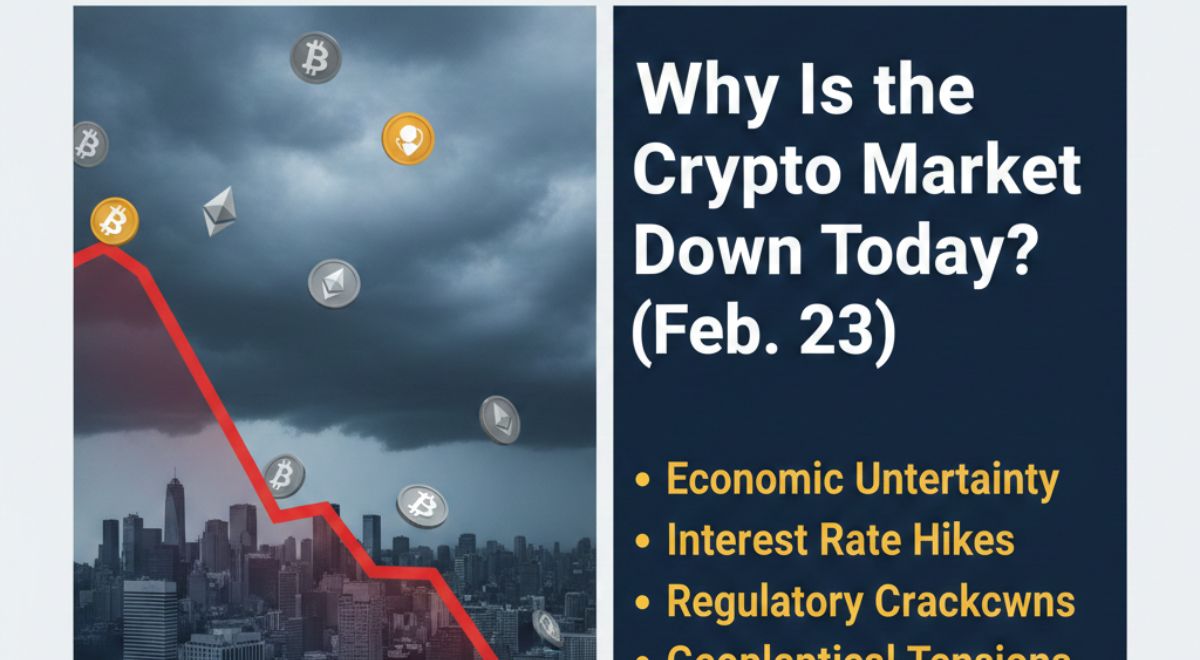
Global financial markets are experiencing significant turbulence as escalating geopolitical tensions surrounding Iran push oil prices sharply higher and reshape investor behavior. While traditional risk assets such as equities and some cryptocurrencies struggle with volatility, Bitcoin has become a focal point for traders attempting to navigate the uncertainty.
Table of Contents
ToggleOil Prices Surge Amid Escalating Conflict
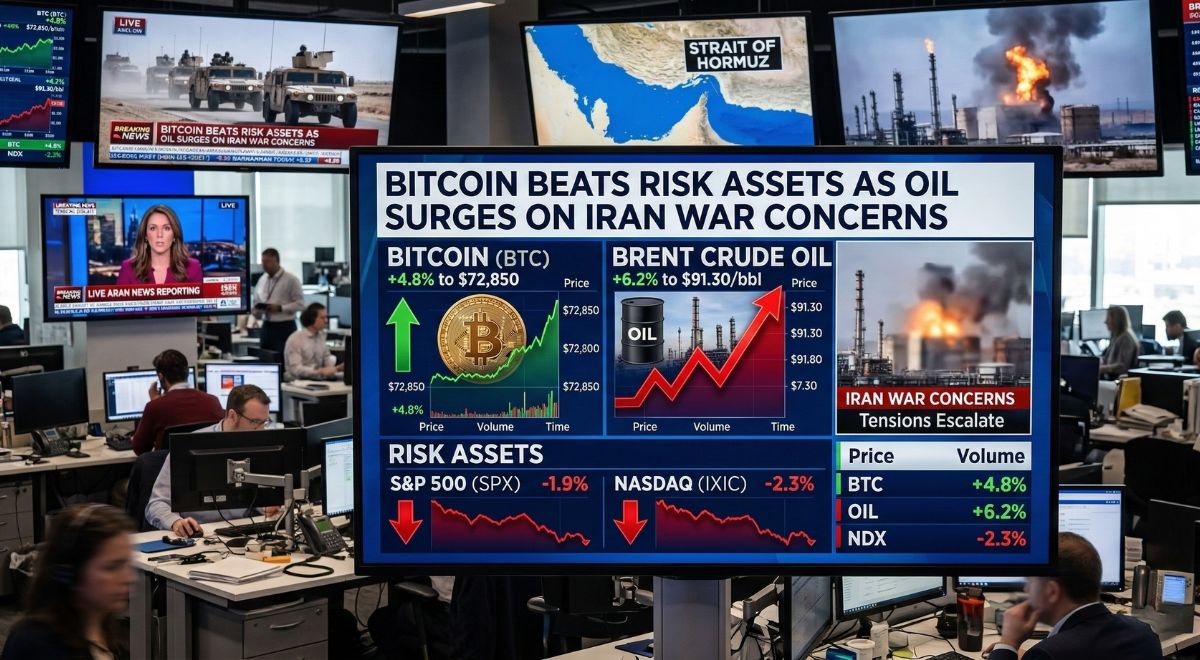
The primary driver of market volatility is the rapidly intensifying conflict involving Iran and its regional adversaries. Concerns over disruptions to energy supply—particularly through the strategically critical Strait of Hormuz—have pushed crude oil prices dramatically higher. In some sessions, oil has surged nearly 20–25%, reaching levels above $100 per barrel as markets price in the possibility of prolonged supply interruptions.
The Strait of Hormuz is responsible for transporting nearly one-fifth of global oil supplies. Any military escalation or blockade could severely disrupt global energy flows, triggering inflation fears and sending commodity markets into turmoil.
Bitcoin Shows Relative Strength
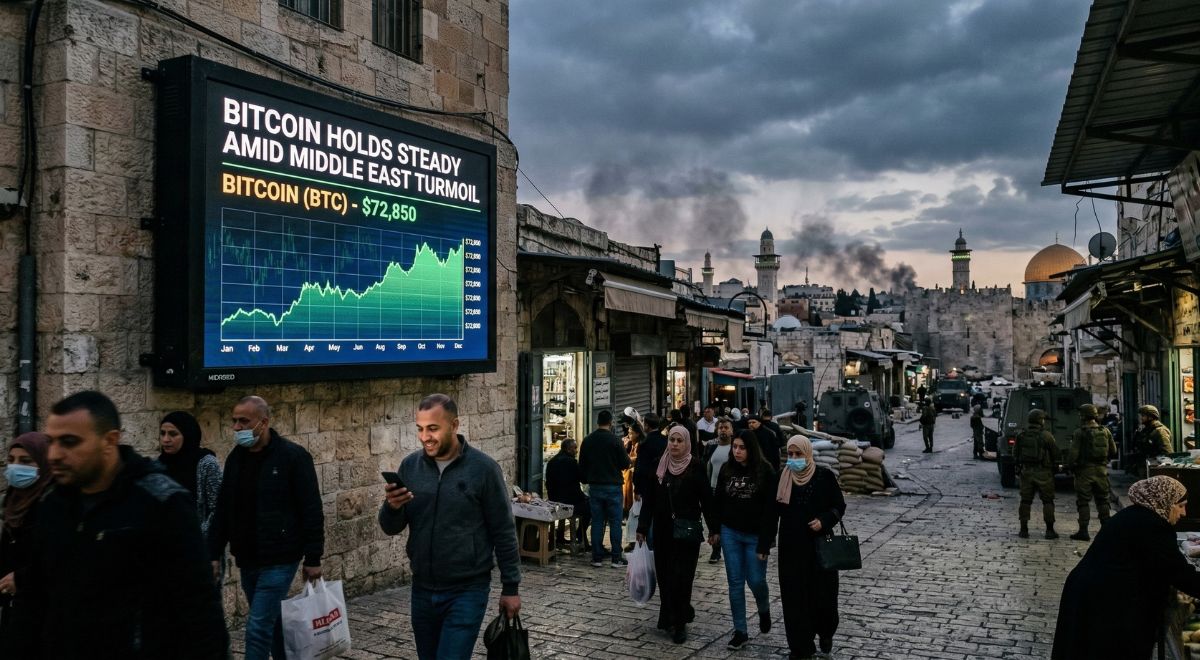
Despite the macroeconomic chaos, Bitcoin has displayed resilience compared with many traditional risk assets. While the cryptocurrency experienced short-term volatility—briefly falling toward the $66,000 level during peak tensions—it held within a relatively stable trading range while stock markets faced heavier sell-offs.
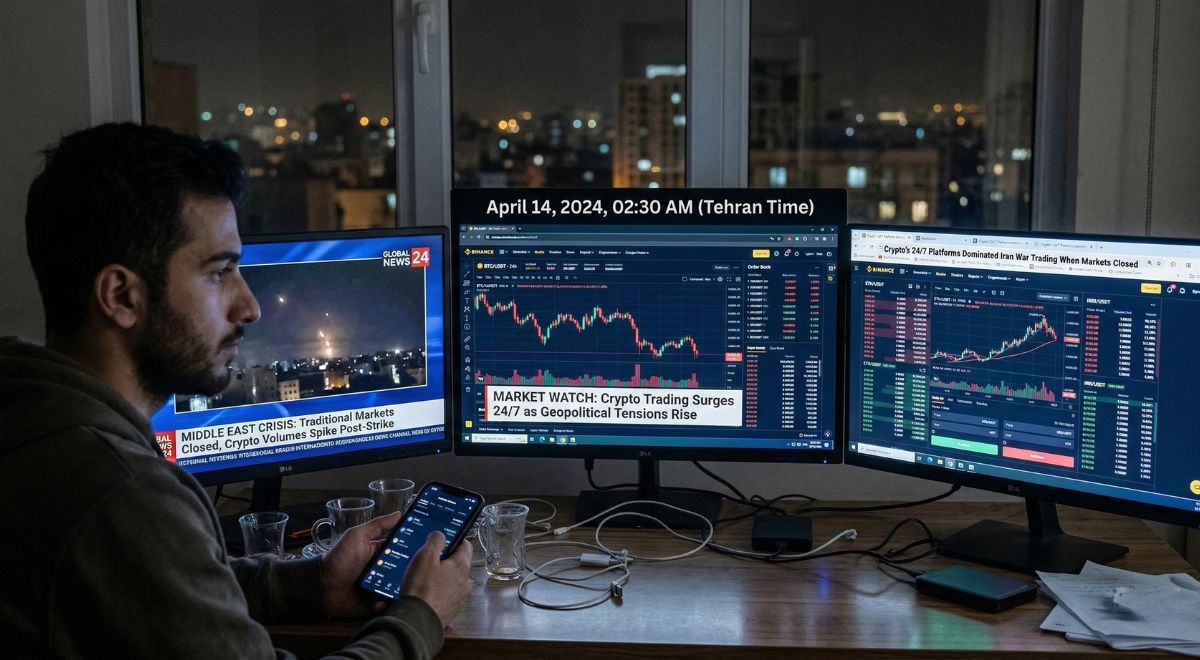
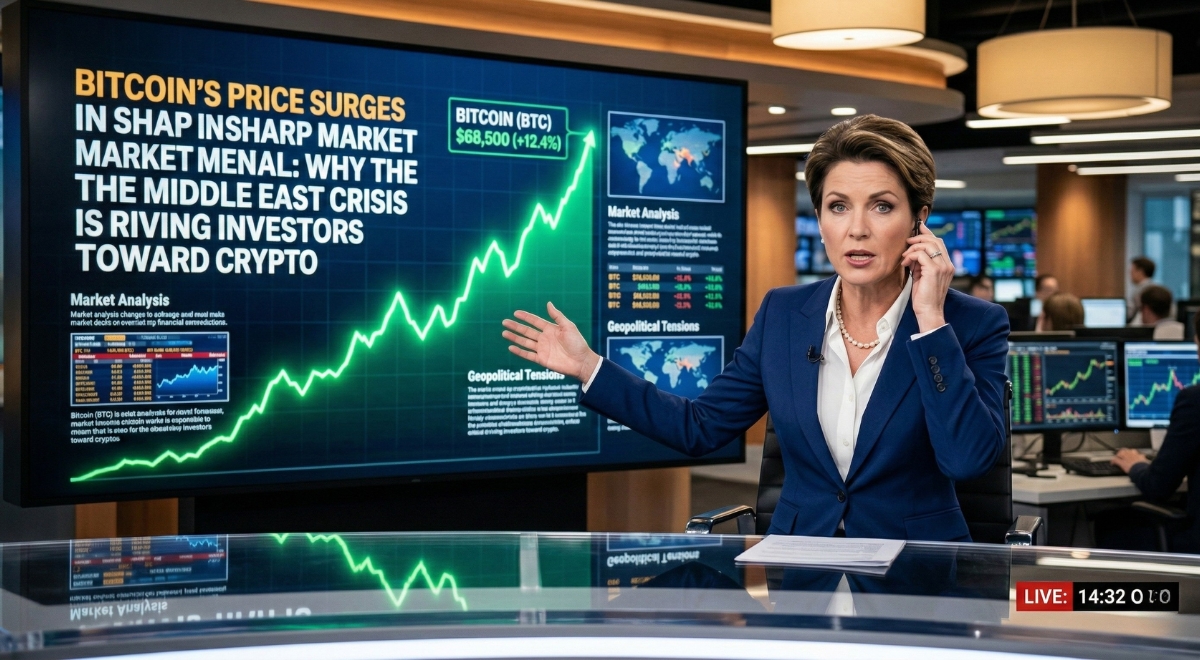
Some analysts argue that this stability demonstrates Bitcoin’s growing role as a macro hedge or alternative store of value during geopolitical shocks. Because crypto markets operate 24/7, Bitcoin often becomes the first major asset to reflect investor reactions to global crises.
However, the narrative is complex. Bitcoin has also shown characteristics of a high-beta risk asset, meaning it often moves in tandem with tech stocks and broader market sentiment. As oil prices surge and financial conditions tighten, crypto markets can face increased volatility.
Risk Assets Struggle in a “Risk-Off” Environment
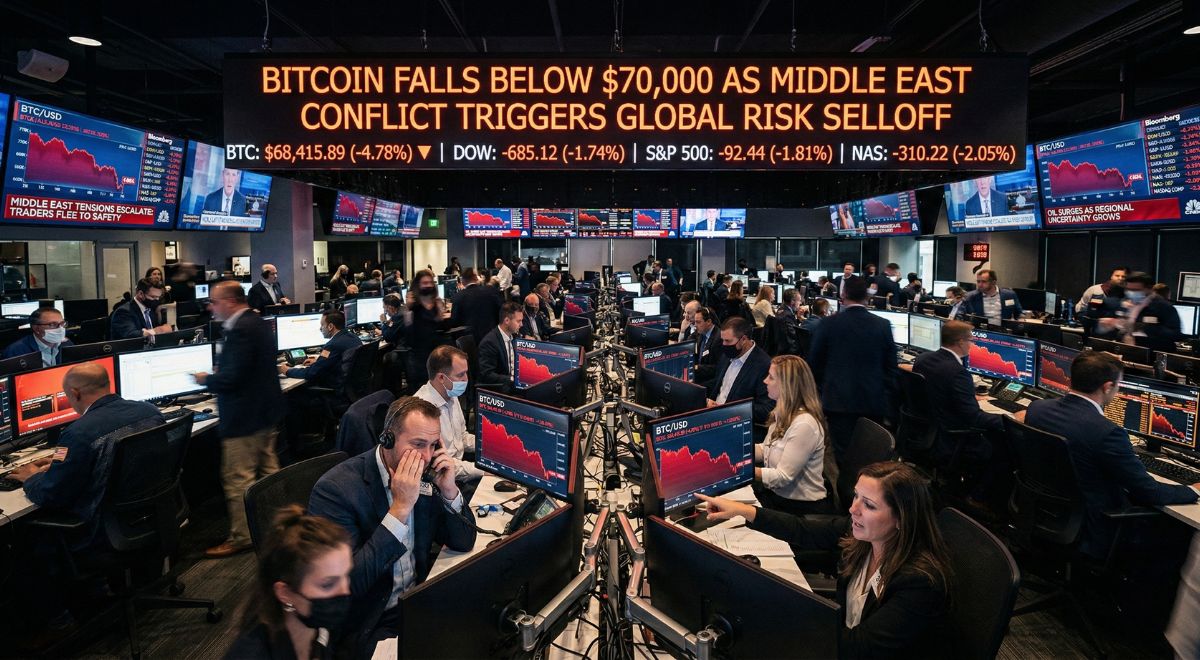
The broader financial environment has shifted toward what analysts call a “risk-off” phase. Investors are moving capital away from speculative assets and into commodities and defensive instruments.
Key market reactions include:
- Oil and energy commodities: Sharp gains due to supply fears.
- Equities: Major stock indexes falling amid uncertainty and rising inflation expectations.
- Cryptocurrencies: Mixed performance, with Bitcoin holding better than some altcoins.
- Currencies and bonds: Increased demand for safer government securities and the U.S. dollar.
Market strategists note that rising energy costs could also delay central bank interest-rate cuts, which historically provide liquidity that benefits risk assets like cryptocurrencies.
Inflation Fears Add Pressure
A prolonged surge in oil prices could feed directly into global inflation. Higher fuel costs increase transportation, manufacturing, and food prices, putting pressure on central banks and reducing market liquidity.
For Bitcoin, this environment creates a paradox. On one hand, inflation concerns can strengthen the narrative of Bitcoin as “digital gold.” On the other hand, tighter monetary policy and reduced liquidity may limit speculative investment in crypto markets.
What Comes Next for Bitcoin and Global Markets
The trajectory of both oil and Bitcoin will largely depend on how the geopolitical situation evolves. If tensions escalate further—particularly with disruptions to shipping lanes or additional military confrontations—energy markets could spike again, increasing volatility across financial markets.
For Bitcoin, traders are closely watching key support levels near $60,000 while monitoring macroeconomic signals such as inflation expectations, oil prices, and central bank policy decisions.
In the short term, Bitcoin’s ability to outperform other risk assets during geopolitical crises will remain under scrutiny. The coming weeks may reveal whether the cryptocurrency truly functions as a global hedge—or continues to trade primarily as a high-risk tech-like asset in times of uncertainty.