Table of Contents
ToggleIntroduction
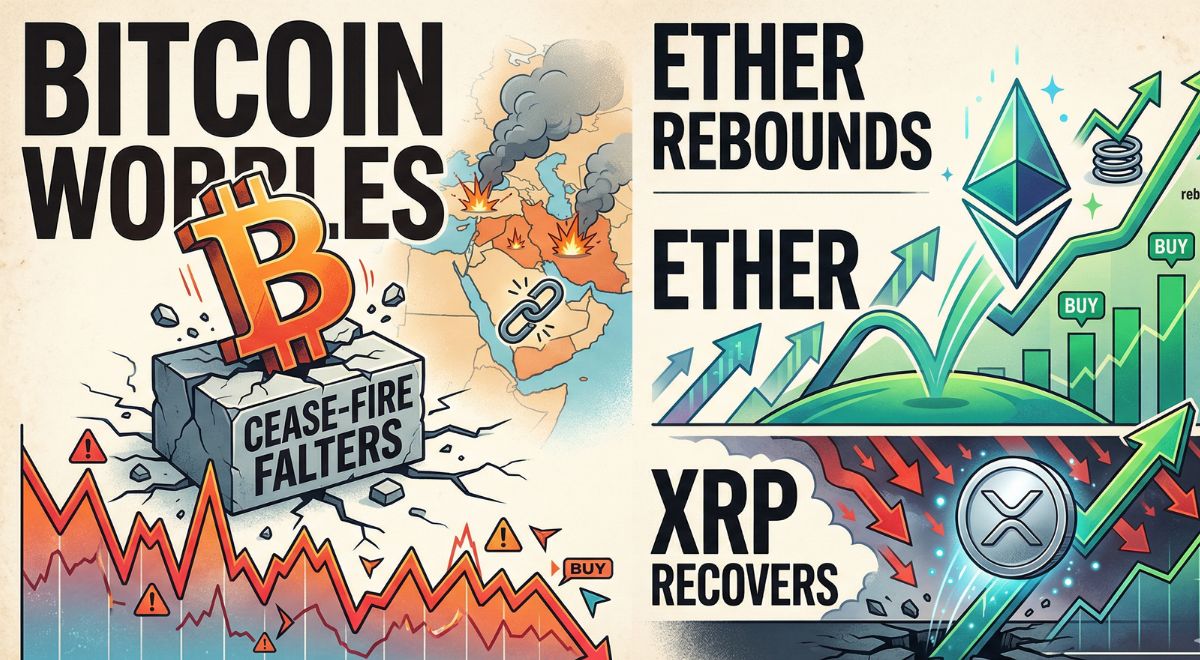
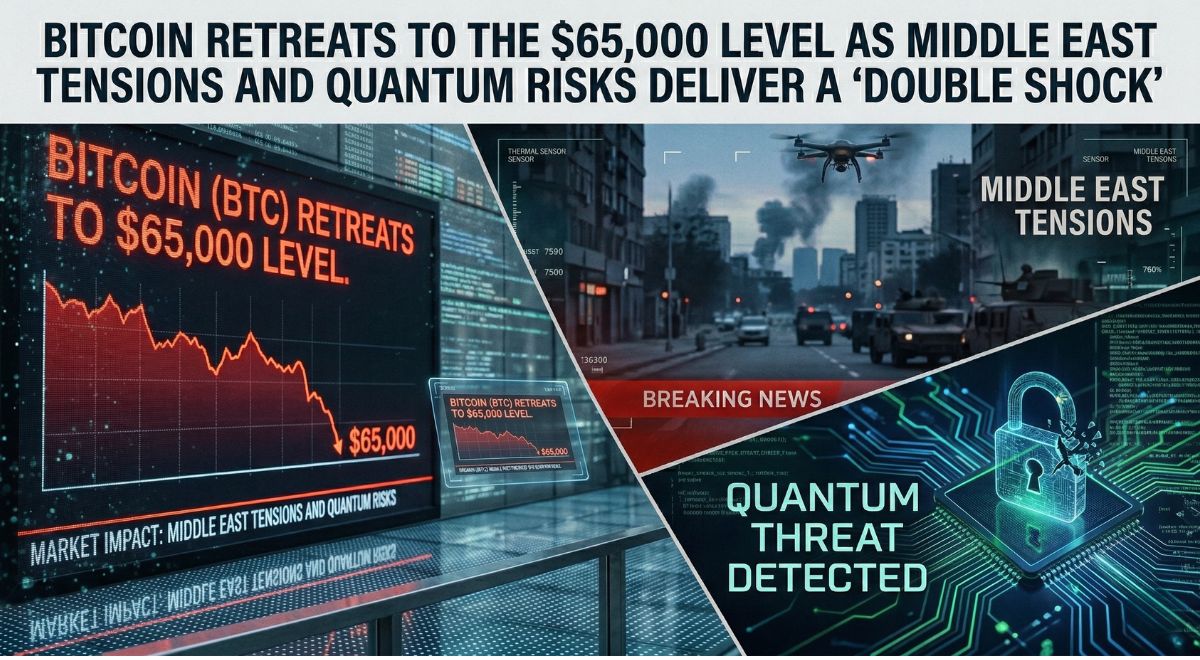
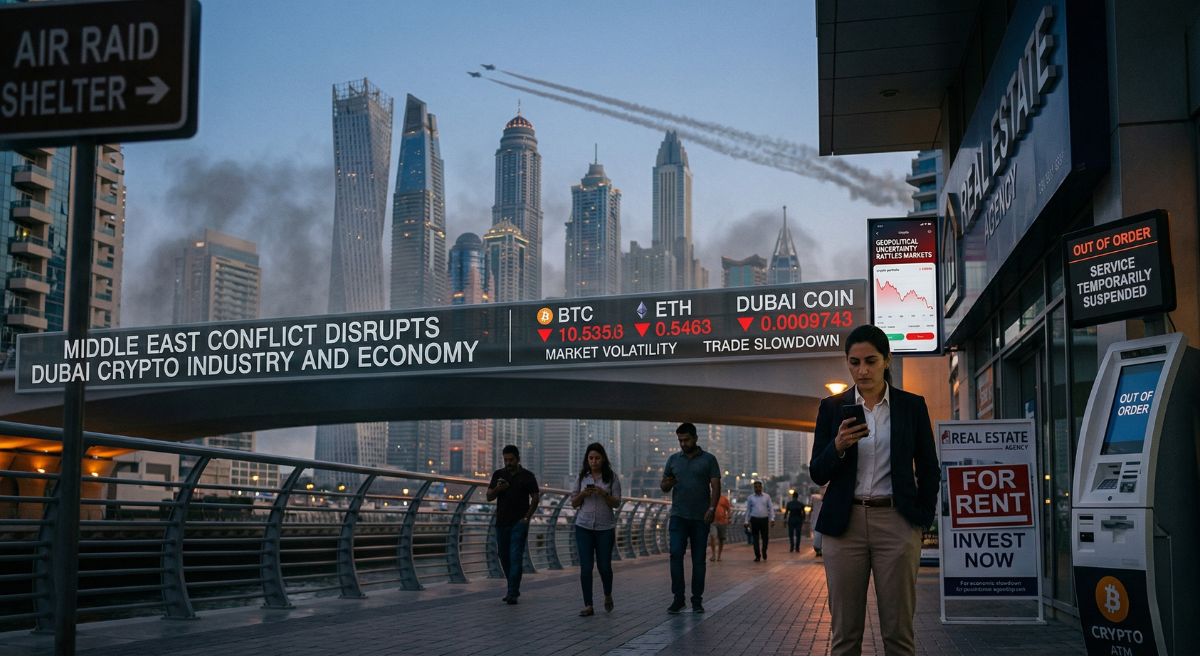
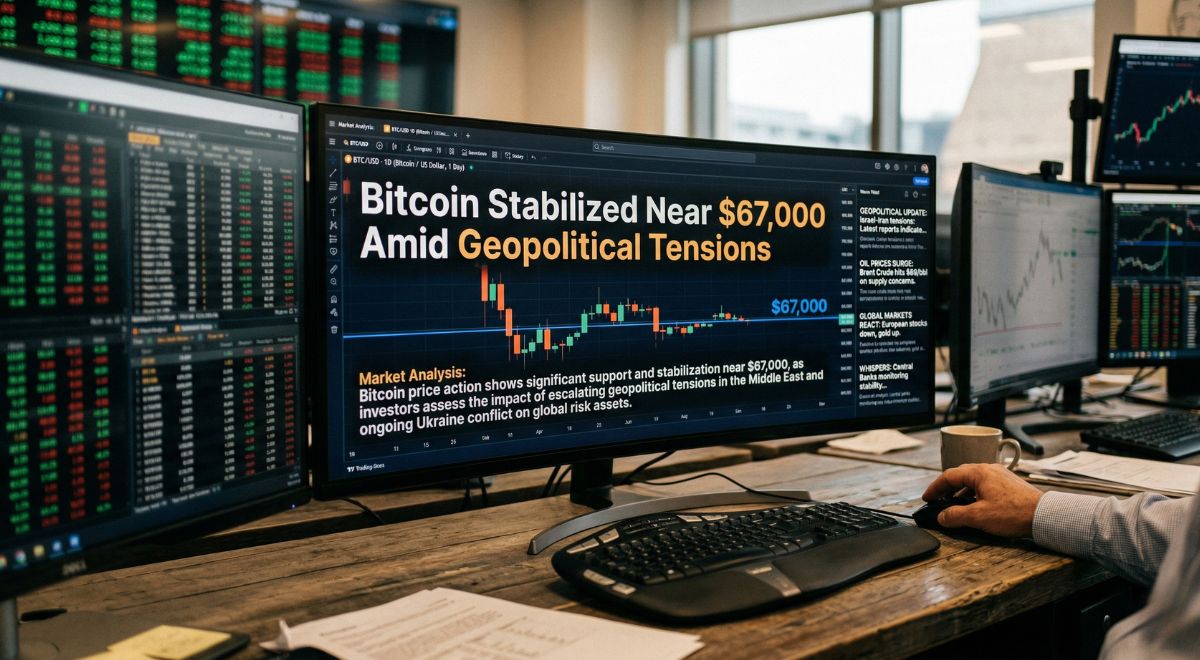
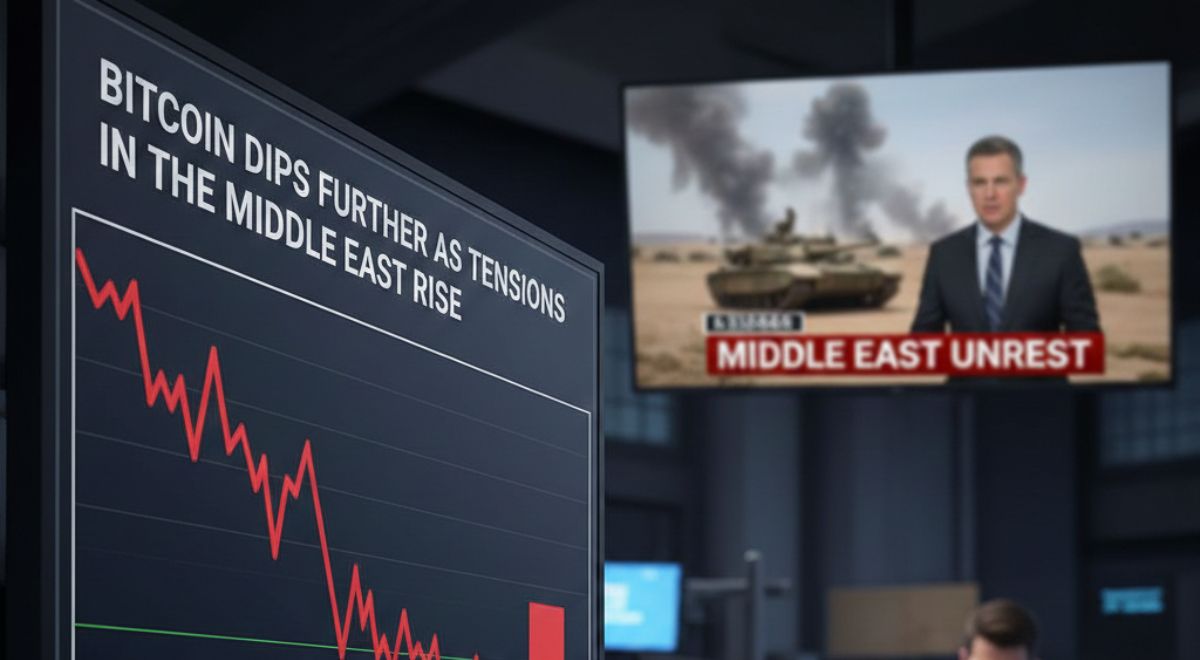
Bitcoin has experienced another significant decline as escalating tensions in the Middle East continue to unsettle global financial markets. Investors are increasingly shifting toward traditional safe-haven assets, triggering renewed volatility in the cryptocurrency market.
Geopolitical Tensions Impact Crypto Markets
Geopolitical instability has historically influenced financial markets, and the current situation in the Middle East is no exception. Rising uncertainty has led investors to reassess risk-heavy assets, including cryptocurrencies like Bitcoin. As tensions intensify, market sentiment has turned cautious, resulting in increased selling pressure.
Bitcoin Price Reaction
Bitcoin’s price dropped further amid heightened geopolitical concerns, reflecting broader market anxiety. Analysts suggest that the decline is driven by a combination of factors, including risk-off sentiment, reduced liquidity, and fears of prolonged instability in the region.
Shift Toward Safe-Haven Assets
During periods of geopolitical conflict, investors typically move capital into traditional safe-haven assets such as gold, the US dollar, and government bonds. This trend has been evident in recent trading sessions, with cryptocurrencies facing outflows as investors prioritize stability over growth potential.
Market Outlook and Expert Insights
Despite the short-term downturn, many experts remain optimistic about Bitcoin’s long-term prospects. They argue that while geopolitical tensions may cause temporary price fluctuations, the fundamental adoption of cryptocurrencies continues to grow. However, ongoing instability could keep Bitcoin under pressure in the near term.