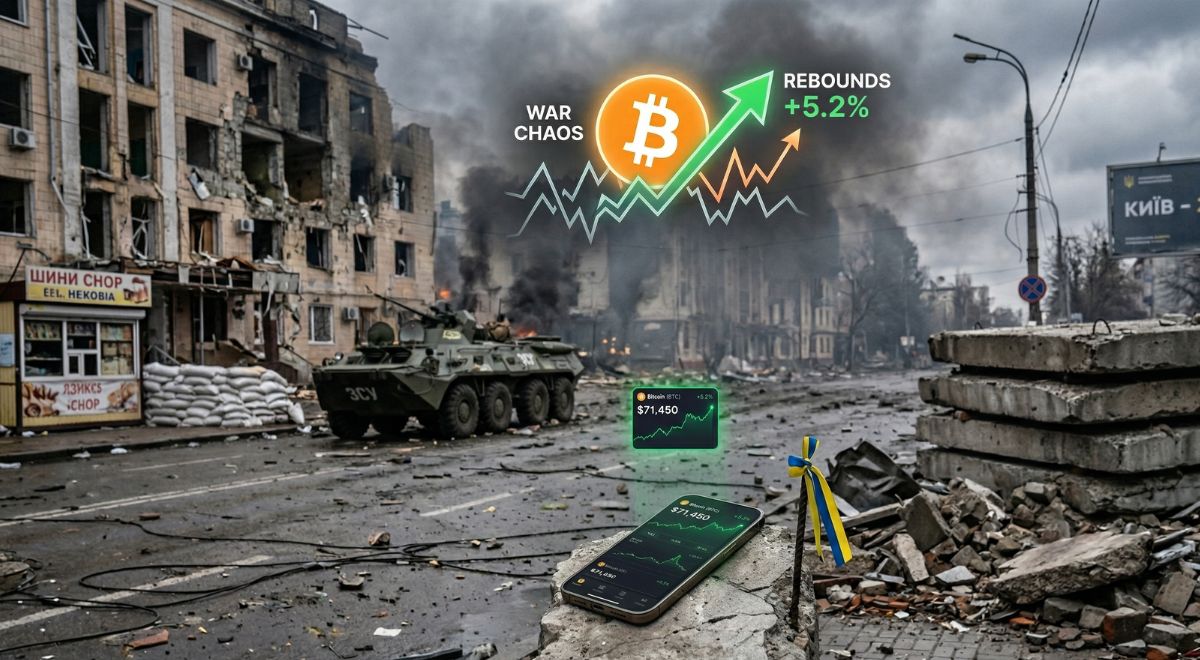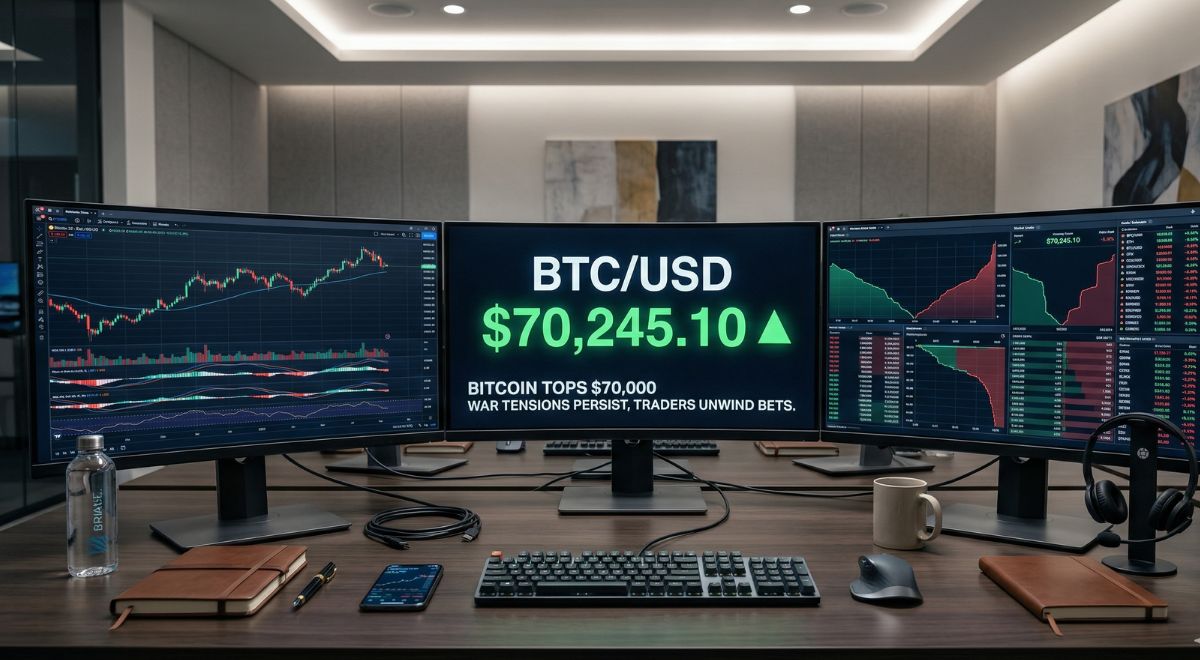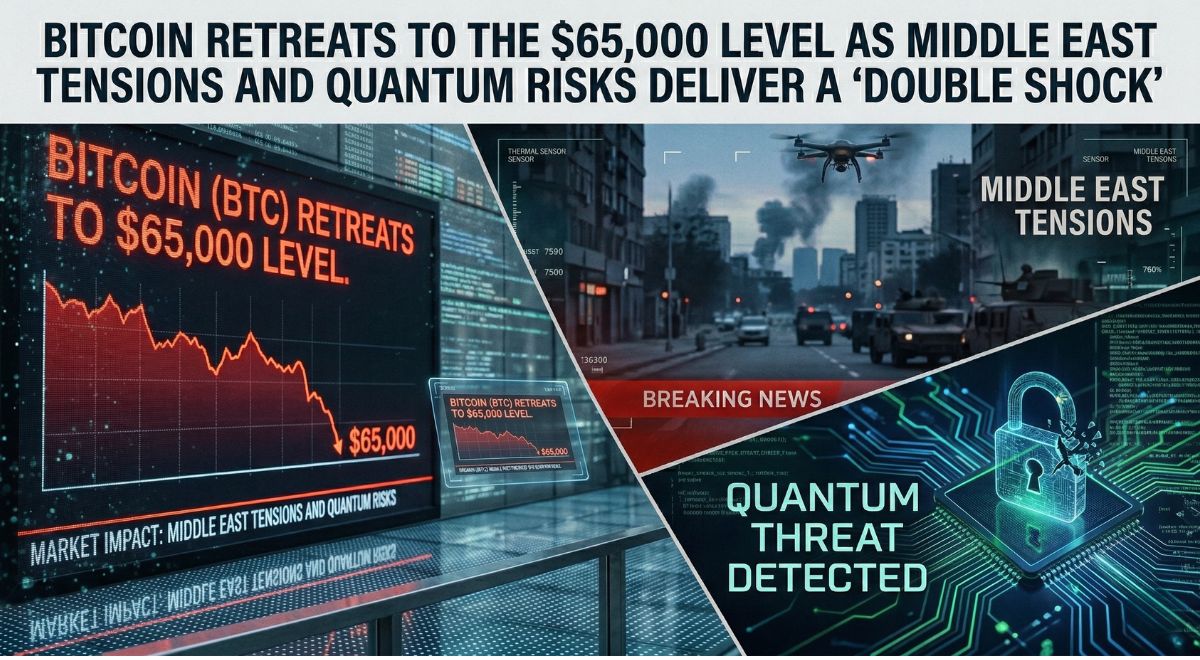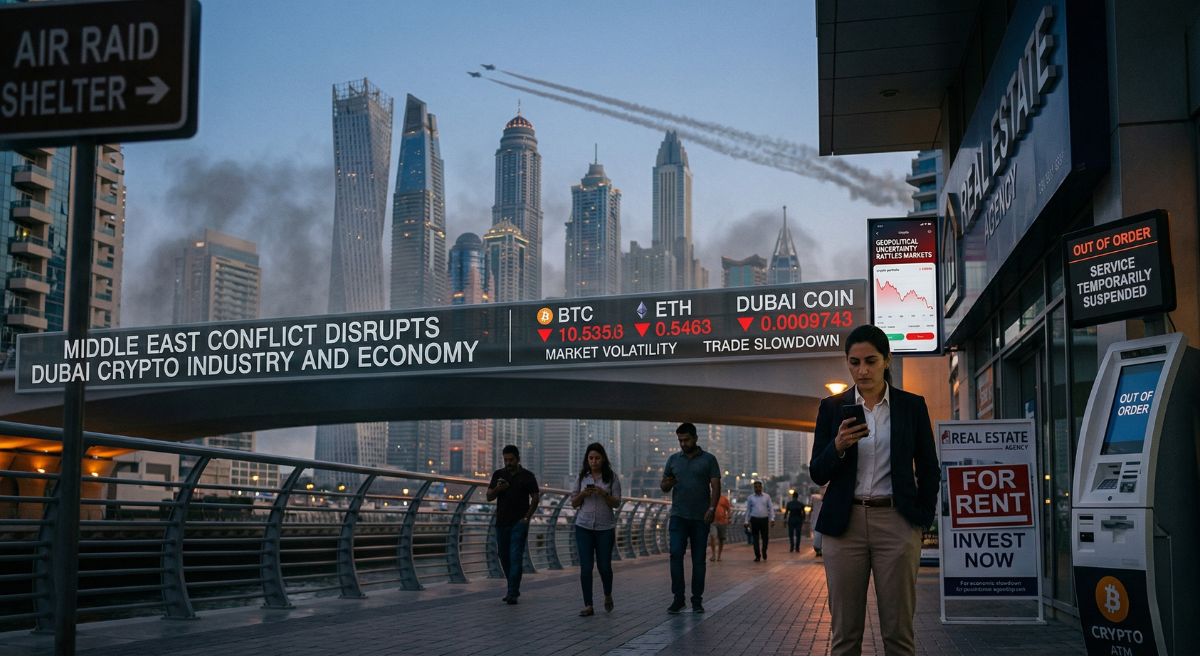
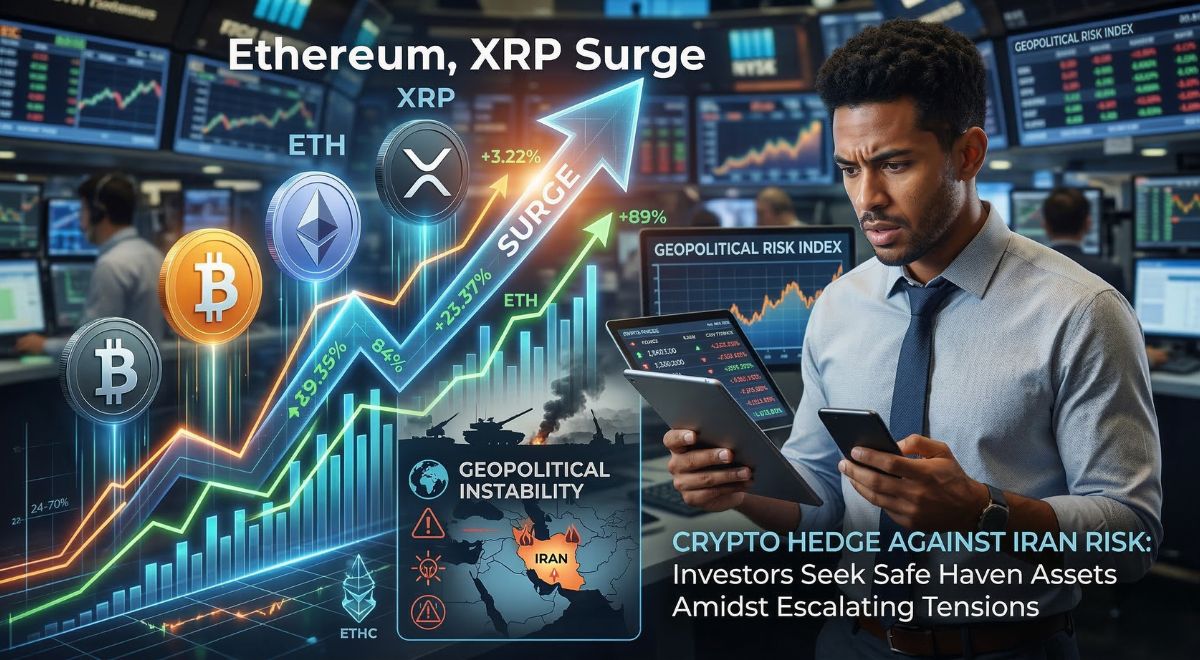
Global cryptocurrency markets are witnessing a strong rebound, with Bitcoin, Ethereum, and XRP posting notable gains amid rising geopolitical tensions centered around Iran. As traditional financial markets face volatility, investors are increasingly turning to digital assets as a hedge against uncertainty—reshaping how crypto is perceived in times of crisis.
Table of Contents
ToggleCrypto Prices Climb Amid Geopolitical Tension
In mid-March 2026, major cryptocurrencies surged significantly:
- Bitcoin rose over 3%, nearing $74,000
- Ethereum jumped nearly 9%
- XRP gained more than 7%
This rally came as escalating conflict in the Middle East triggered instability across global markets, including equities and commodities. While stocks declined and oil prices surged, crypto assets showed resilience, attracting renewed investor interest.
Why Investors Are Turning to Crypto
1. A Modern “Safe Haven” Asset
Traditionally, investors flock to gold or government bonds during geopolitical crises. However, recent trends show cryptocurrencies increasingly playing that role.
Digital assets like Bitcoin are often referred to as “digital gold”—a decentralized store of value that operates outside government control. During uncertainty linked to Iran, investors are shifting capital into crypto to protect against market shocks.
2. Protection Against Currency and Inflation Risk
The Iran conflict has pushed oil prices higher, raising fears of global inflation.
In such environments:
- Fiat currencies can weaken
- Central banks may face policy uncertainty
- Inflation erodes purchasing power
Cryptocurrencies, particularly Bitcoin with its fixed supply, are seen as a hedge against these risks. This makes them attractive during periods of economic instability.
3. Capital Flight and Financial Restrictions
Geopolitical tensions often bring sanctions, banking disruptions, and capital controls. In regions affected by conflict, individuals and institutions may turn to crypto to move and protect wealth.
Reports suggest that during heightened Iran tensions, some investors shifted assets into cryptocurrencies to avoid:
- Banking system risks
- Exchange shutdowns
- Currency devaluation
4. Independence from Traditional Financial Systems
Unlike stocks or fiat currencies, cryptocurrencies operate on decentralized networks. This independence makes them less directly impacted by:
- Government policies
- Sanctions
- Cross-border restrictions
As a result, during geopolitical crises, crypto markets can behave differently—and sometimes outperform traditional assets.
Crypto vs Traditional Markets
Interestingly, the current market environment shows a divergence:
- Stocks: Declining due to uncertainty
- Gold: Under pressure from a strong U.S. dollar
- Crypto: Rising as alternative hedge assets
This unusual pattern highlights a shift in investor behavior, where digital assets are gaining credibility alongside traditional safe havens.
Is This a Long-Term Trend?
The growing role of crypto as a hedge suggests a broader transformation in global finance:
- Institutional investors are increasing exposure
- Crypto ETFs are driving inflows
- Digital assets are becoming part of diversified portfolios
However, it’s important to note that cryptocurrencies remain highly volatile and can react sharply to both positive and negative news.