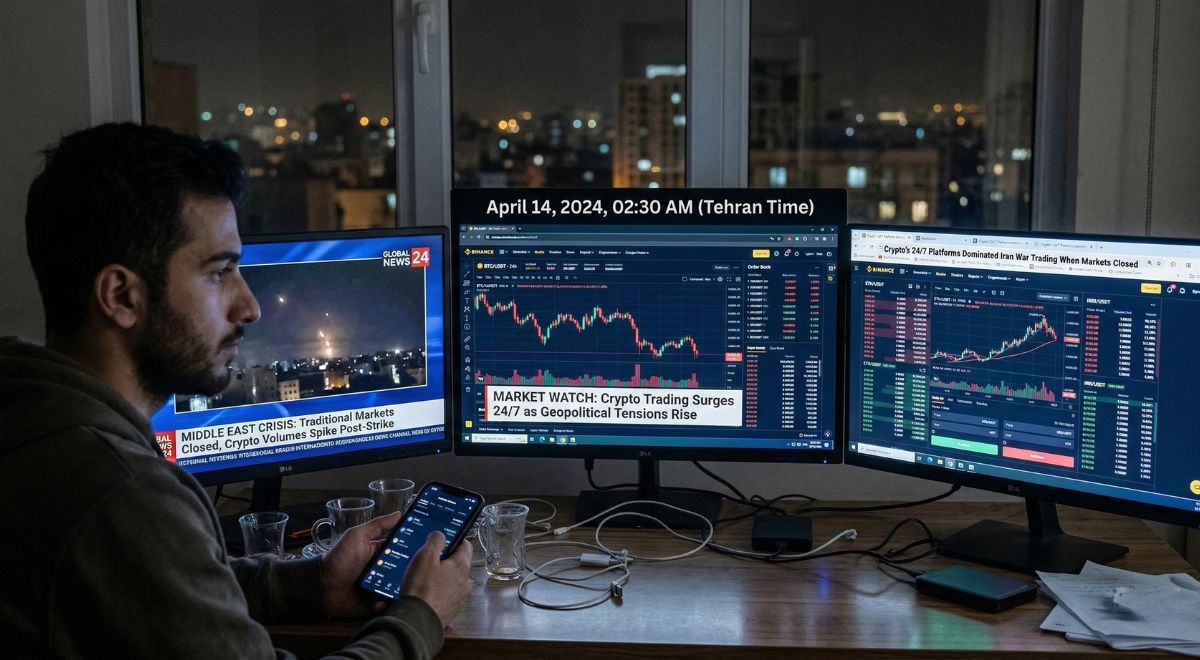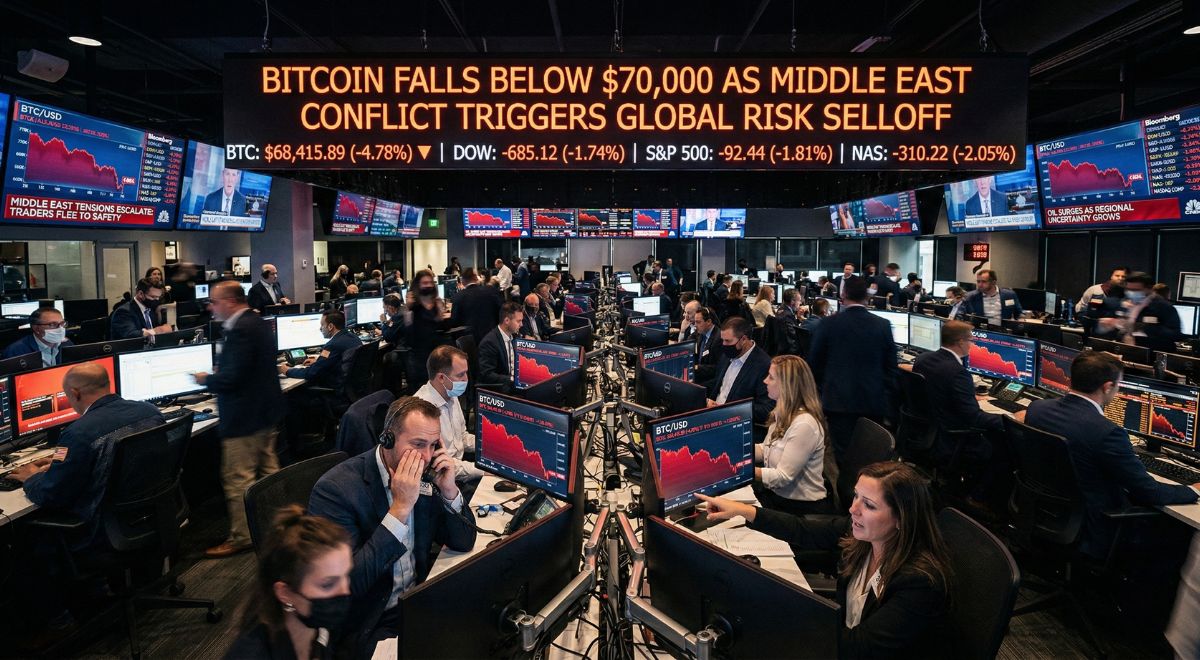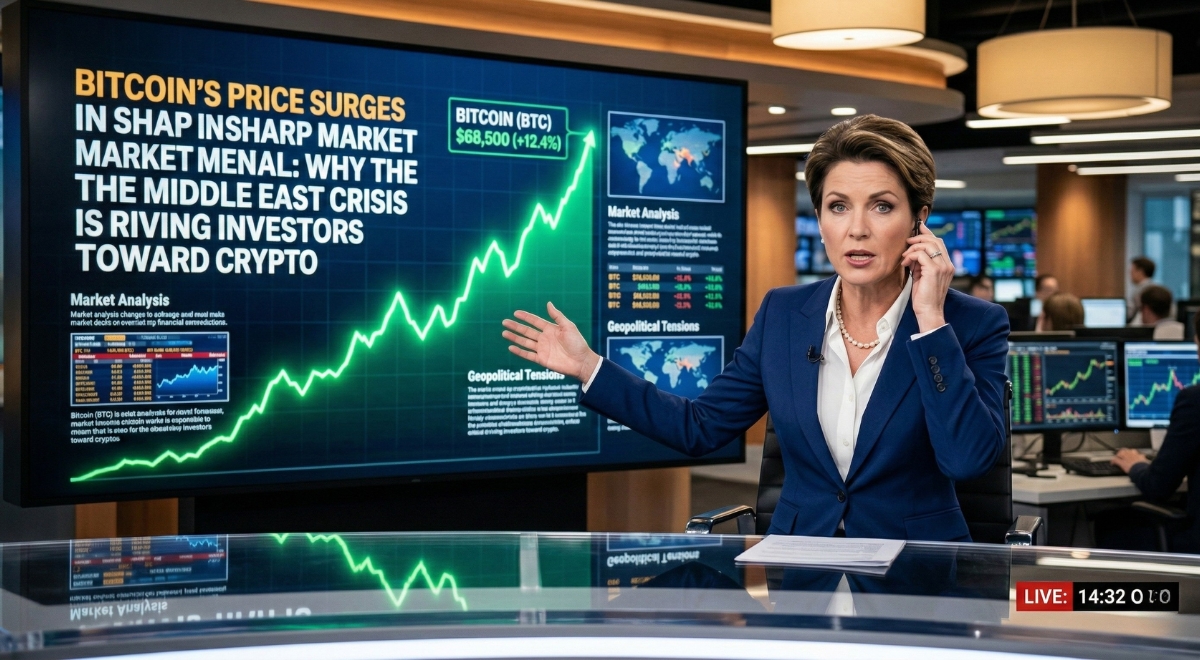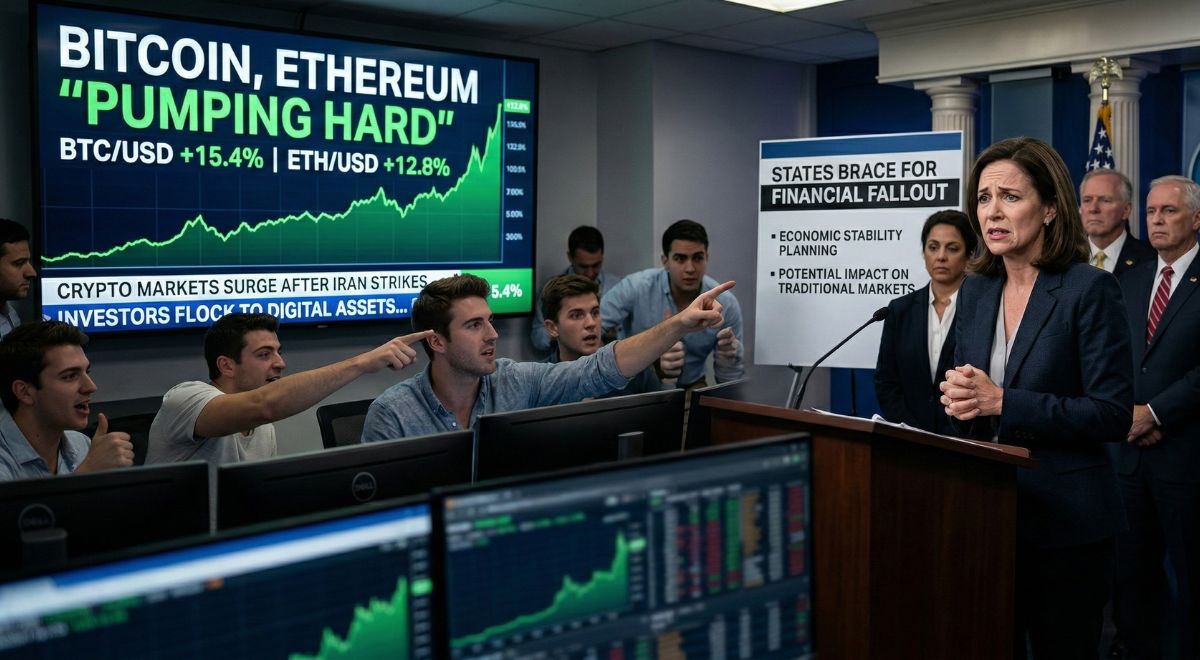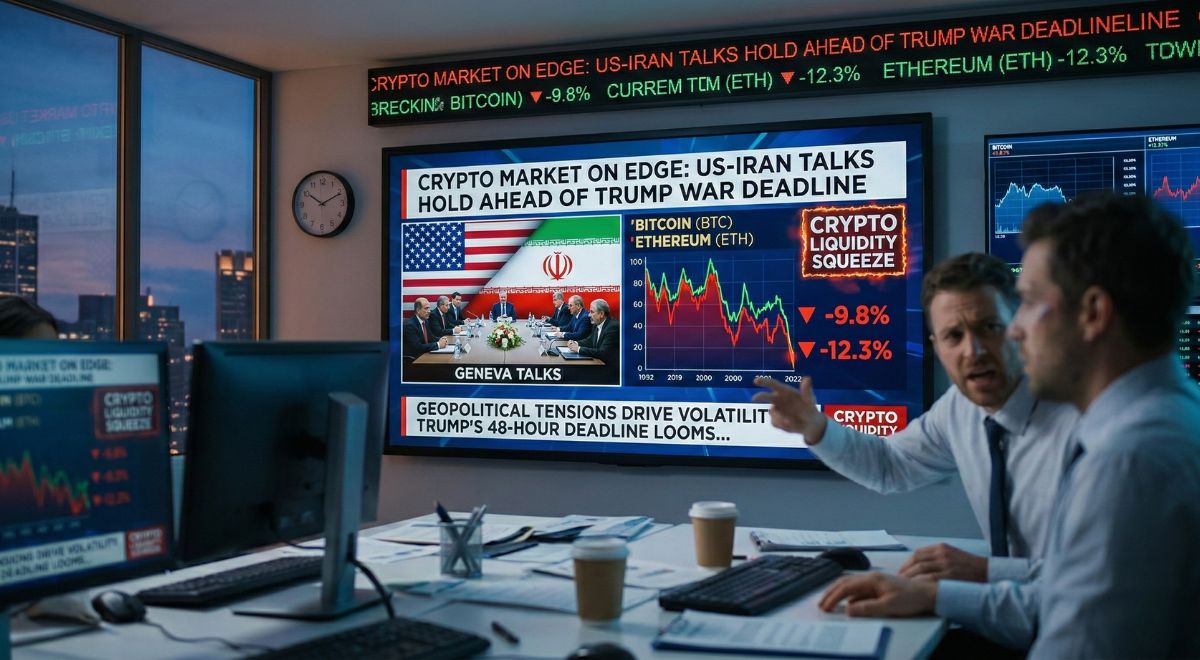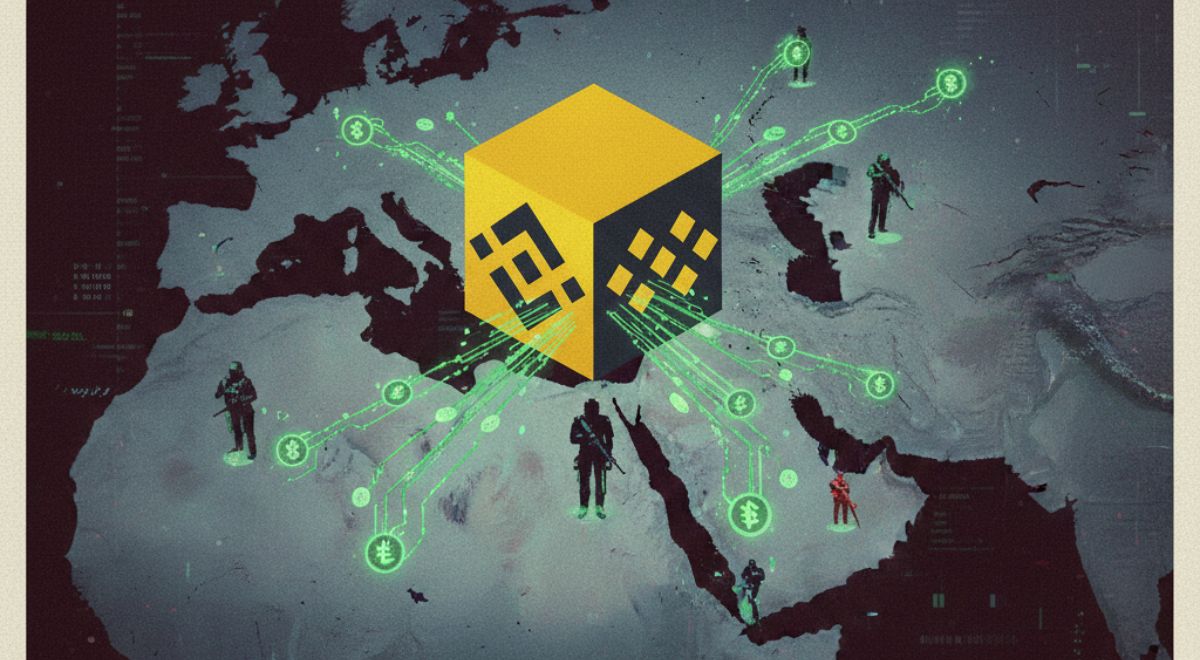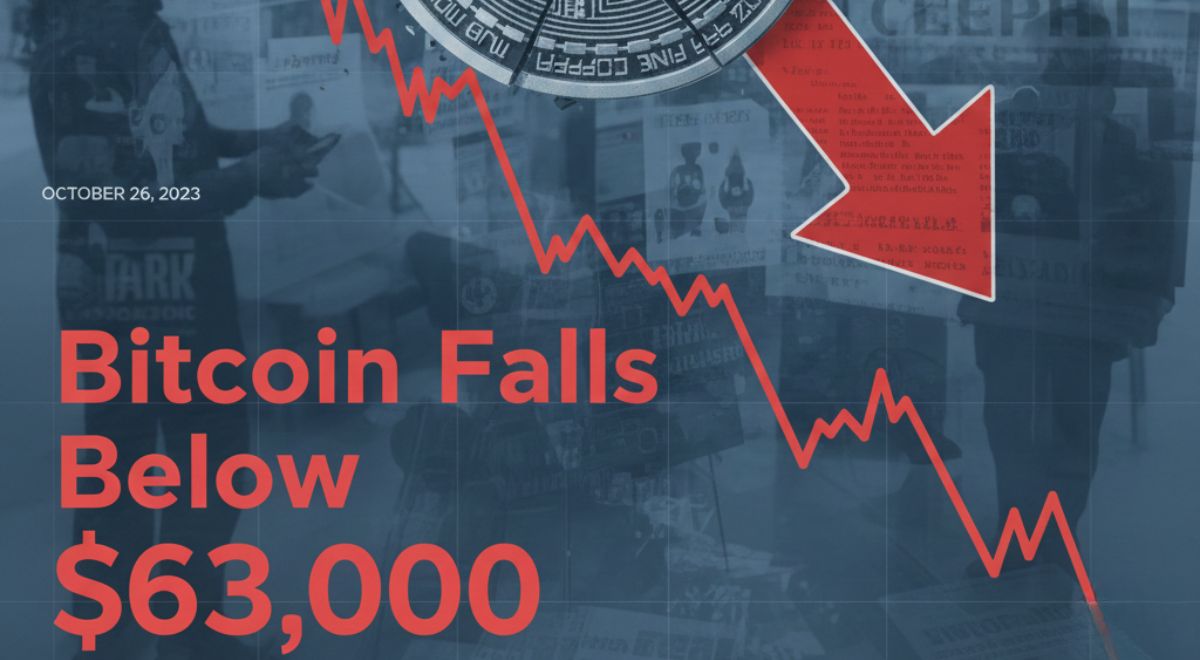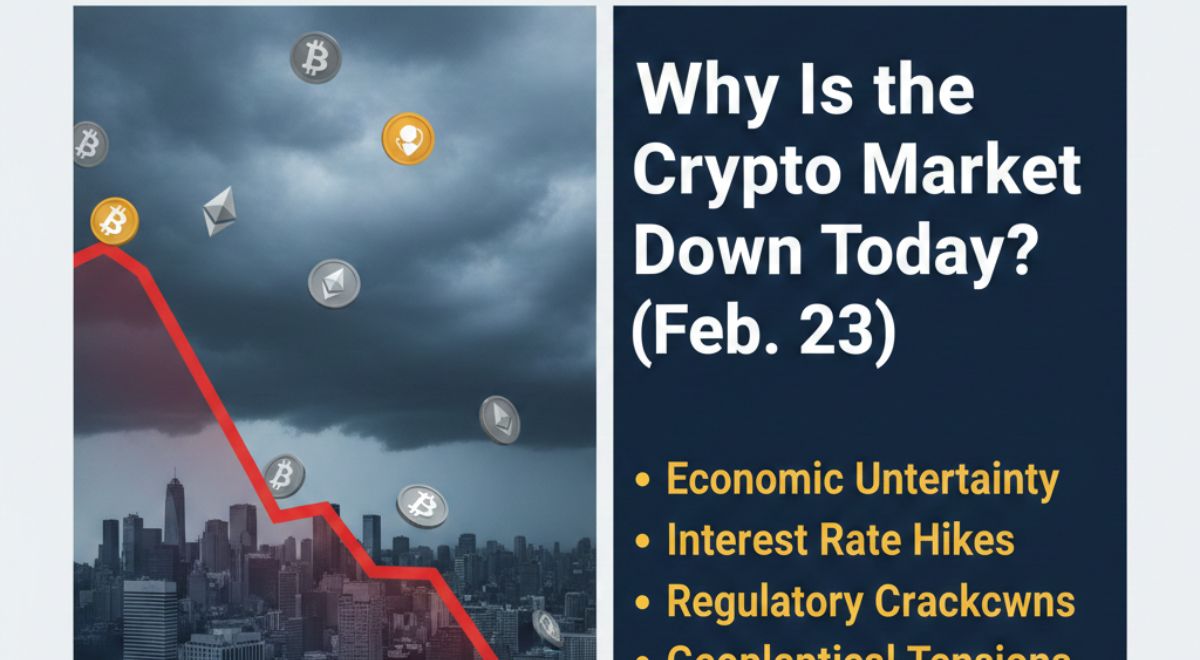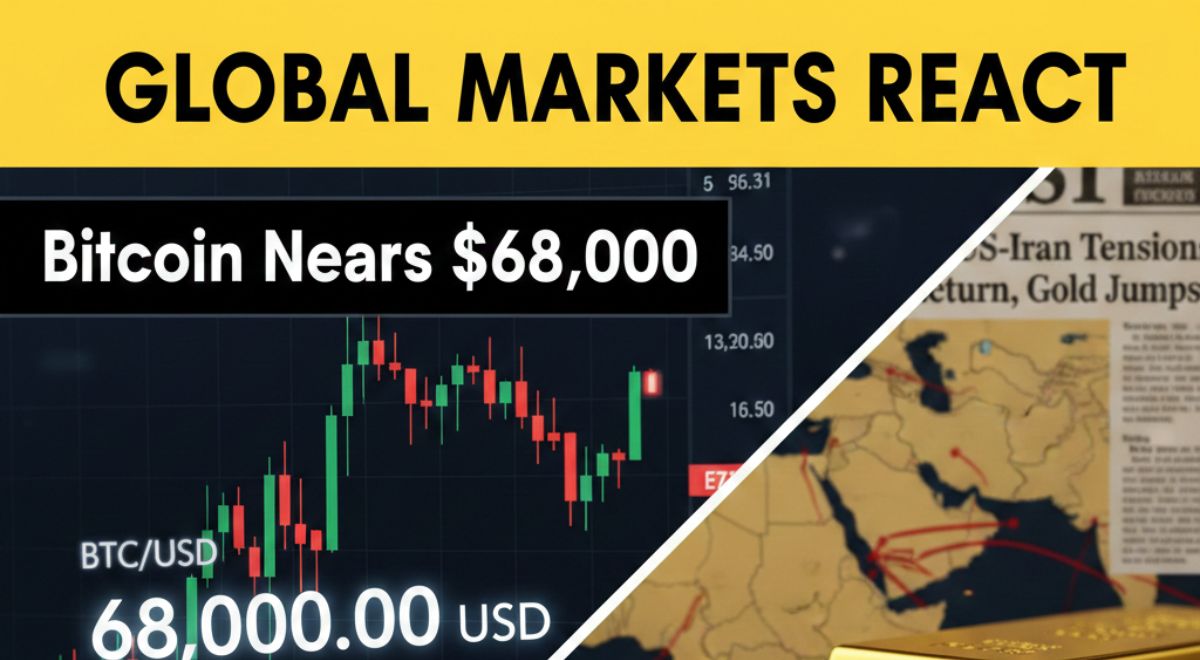
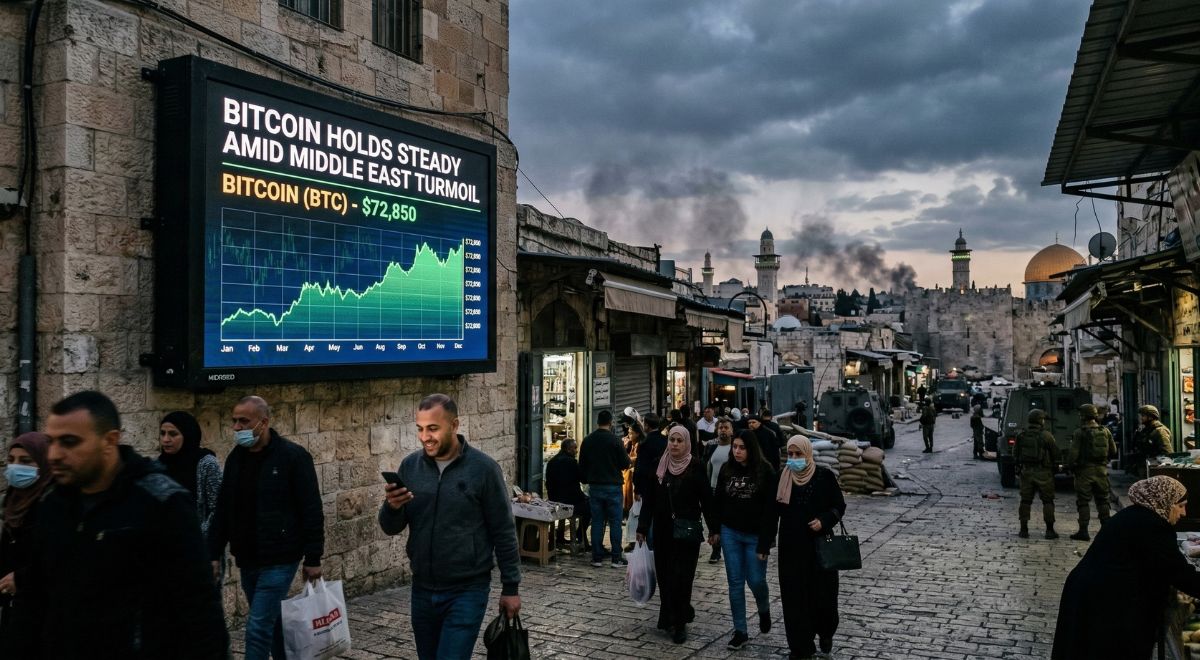
As geopolitical tensions continue to rise across the Middle East, global financial markets have experienced heightened uncertainty. However, despite the volatility in traditional markets, Bitcoin has demonstrated remarkable stability, reinforcing its reputation as a resilient digital asset during times of global crisis.
Over the past several days, escalating tensions involving Iran, Israel, and the United States have triggered fluctuations in oil prices, stock markets, and regional currencies. Investors worldwide have been closely monitoring the situation, fearing potential disruptions to global trade routes and energy supplies. Traditionally, such geopolitical instability pushes investors toward safe-haven assets like gold. Increasingly, however, many are also turning to Bitcoin.
Table of Contents
ToggleCrypto Shows Resilience
While regional uncertainty has impacted several asset classes, Bitcoin has managed to hold relatively steady compared to equities and emerging market currencies. Analysts suggest that Bitcoin’s decentralized nature allows it to remain largely unaffected by political tensions tied to specific nations or financial systems.
Unlike traditional banking infrastructure, Bitcoin operates on a global blockchain network that cannot be controlled by any government or central authority. This independence makes it attractive to investors seeking protection from geopolitical risks and potential financial system disruptions.
Growing Role as a Digital Safe Haven
Market analysts have long debated whether Bitcoin can truly act as “digital gold.” Recent events appear to support that argument. During periods of heightened tension, trading volumes on major cryptocurrency exchanges have increased, suggesting that some investors are reallocating capital into crypto assets as a hedge against uncertainty.
In regions facing economic instability, cryptocurrencies also provide an alternative financial channel when local currencies experience volatility or capital restrictions.
Institutional Interest Remains Strong
Institutional demand for Bitcoin continues to grow despite global tensions. Large asset managers and investment firms have increasingly integrated cryptocurrencies into diversified portfolios. The long-term narrative surrounding Bitcoin — limited supply, decentralized structure, and global accessibility — remains intact even during periods of geopolitical stress.
Furthermore, advancements in crypto infrastructure, regulatory clarity in some regions, and broader adoption among financial institutions have helped strengthen investor confidence.
Risks Still Remain
Despite its recent stability, Bitcoin is not immune to market shocks. Sudden escalations in geopolitical conflict could still impact global liquidity and investor sentiment. Additionally, regulatory changes or cyber threats remain potential risks for the broader cryptocurrency market.
Still, many analysts believe that Bitcoin’s long-term trajectory will depend more on adoption trends, macroeconomic conditions, and technological development than on short-term geopolitical events.
The Bigger Picture
As tensions in the Middle East continue to evolve, global markets will remain sensitive to new developments. Yet Bitcoin’s ability to maintain stability during such uncertainty highlights its growing role in the modern financial ecosystem.
For supporters of the digital asset, the current moment serves as another example of why Bitcoin was created in the first place — to offer a decentralized financial alternative in a world often shaped by political and economic instability.