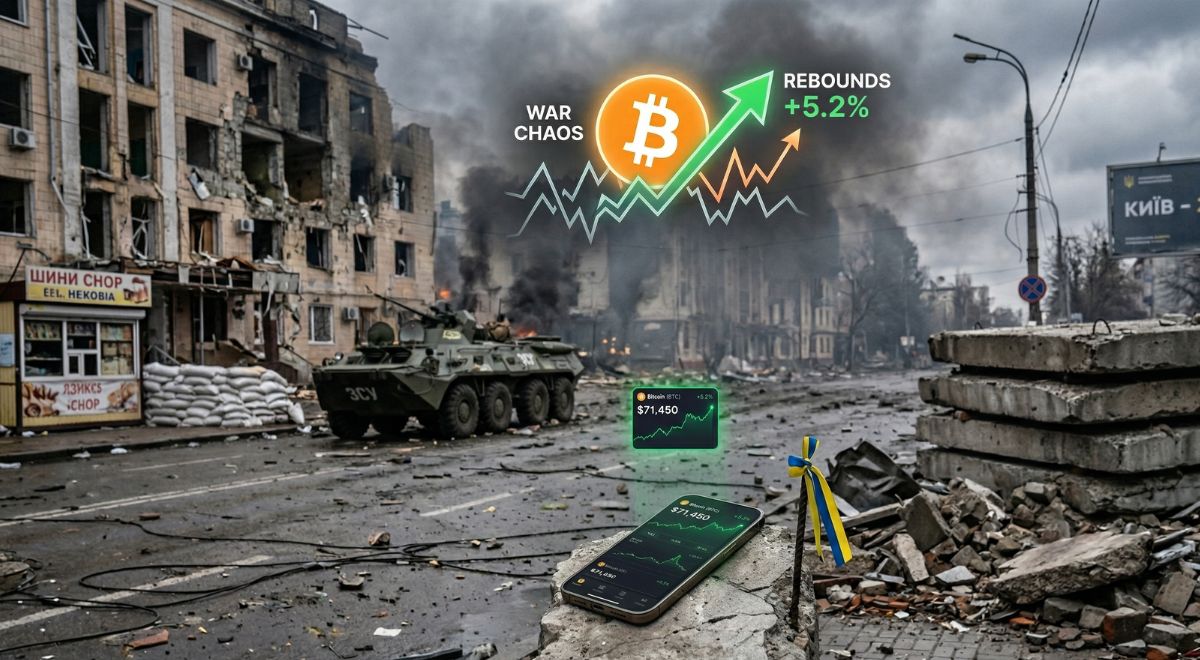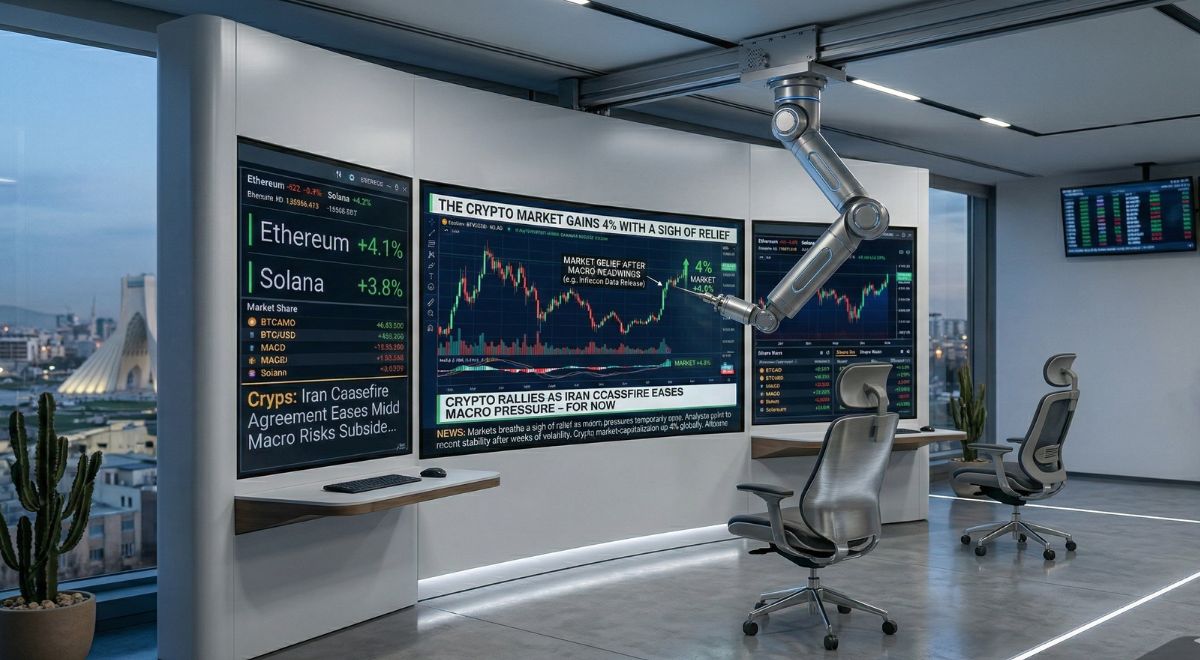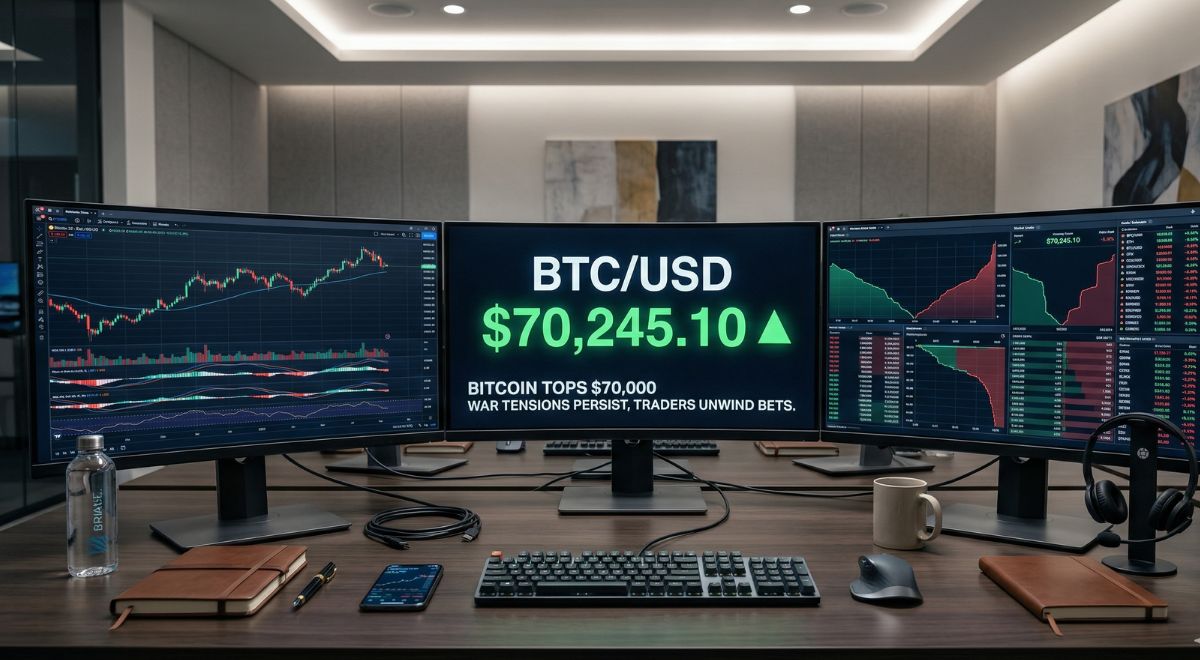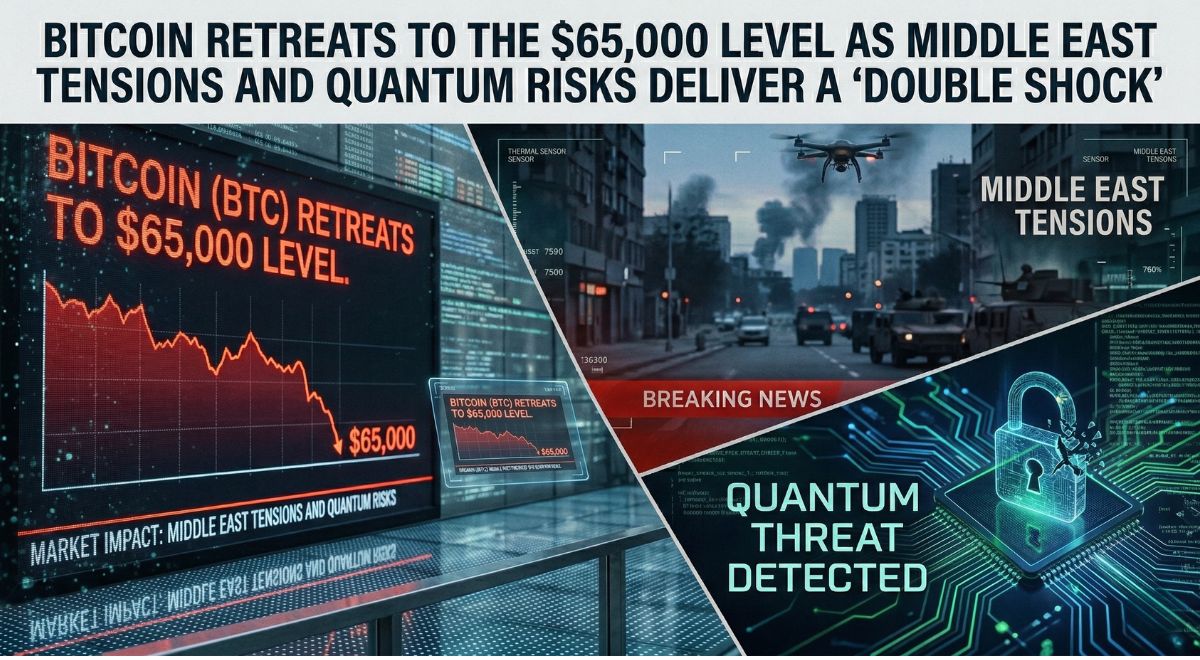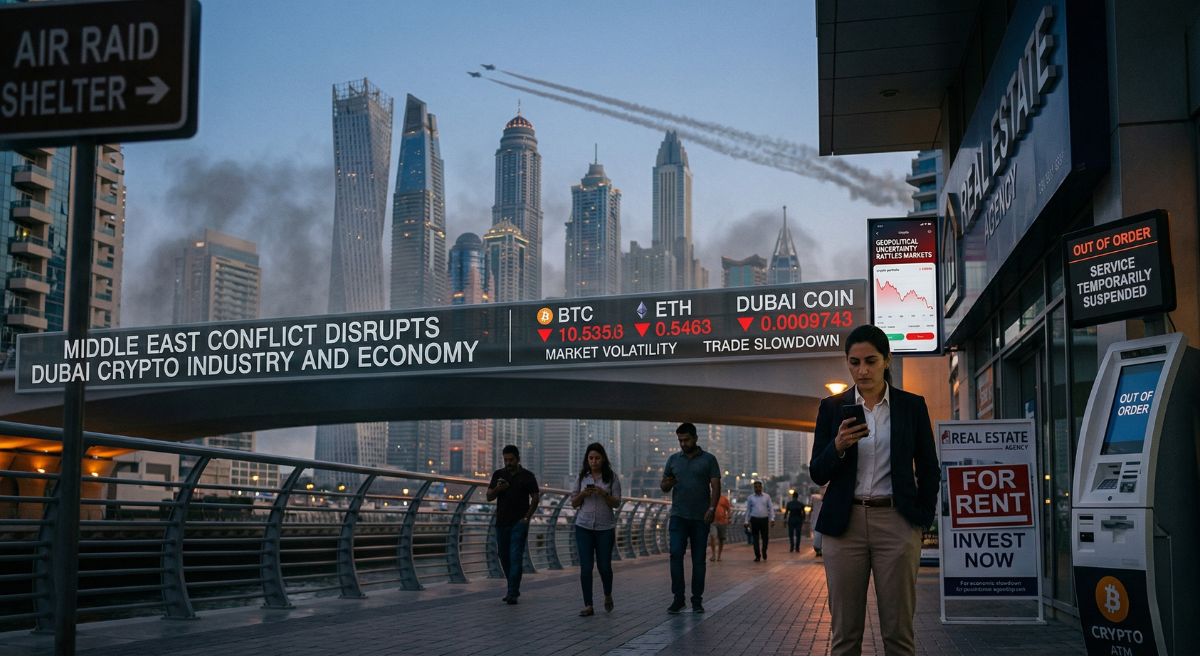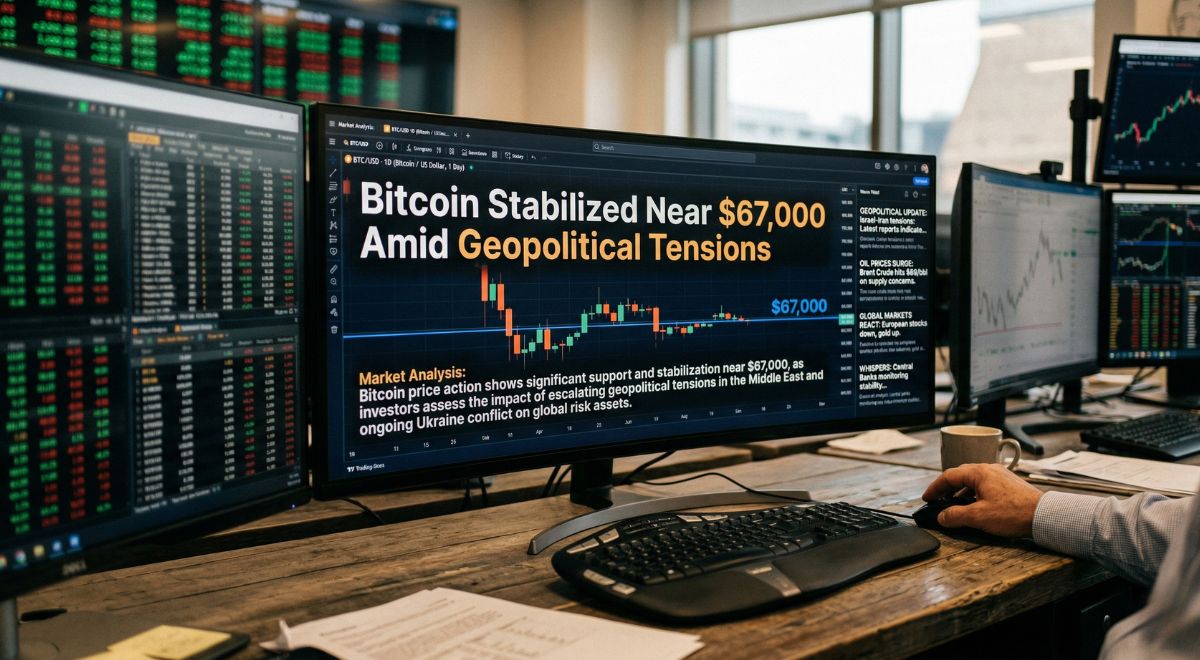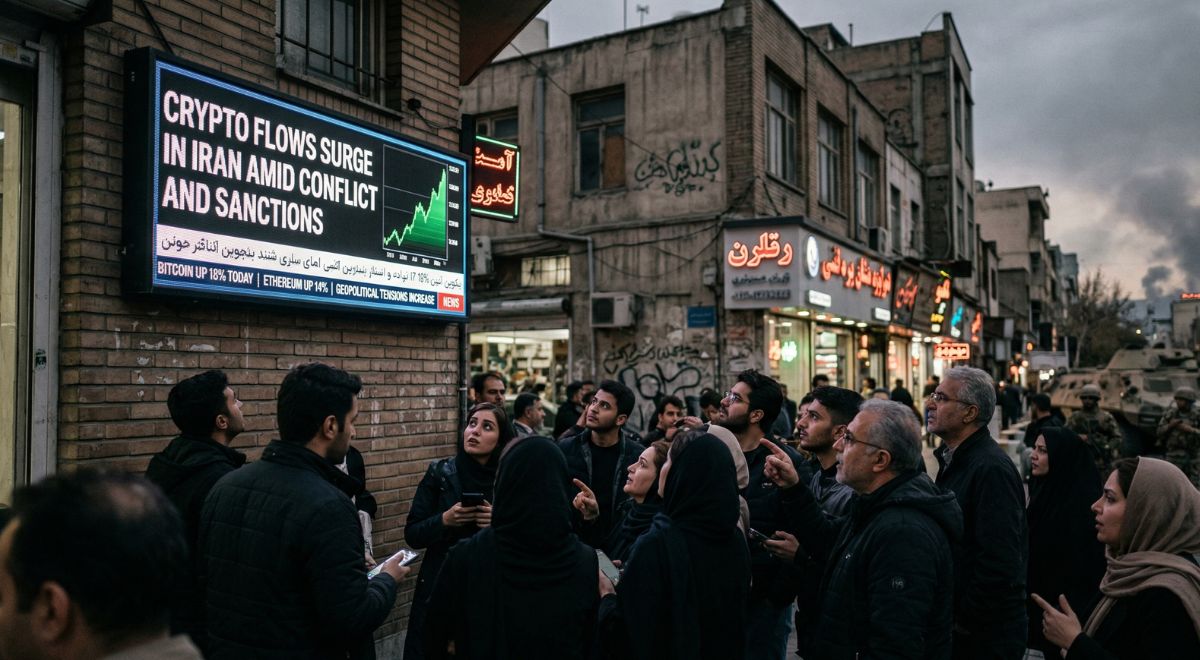
Global financial markets often react quickly to geopolitical tensions, and the recent uncertainty in the Middle East has once again highlighted the growing role of cryptocurrencies in times of instability. As tensions rise between regional powers and international allies, trading activity for Bitcoin has surged across multiple exchanges, signaling that investors are increasingly turning to digital assets as an alternative store of value.
Table of Contents
ToggleGeopolitical Uncertainty and Market Reactions
Periods of geopolitical instability often create volatility in traditional financial markets such as stocks, commodities, and foreign exchange. The ongoing tensions involving Iran, Israel, and the United States have raised concerns about potential disruptions to global trade routes, energy supplies, and economic stability.
In such situations, investors typically look for assets that can help preserve value. Traditionally, safe-haven assets included gold and government bonds. However, in recent years, cryptocurrencies—particularly Bitcoin—have started to play a similar role for many investors seeking protection from market turbulence.
Rising Bitcoin Trading Volumes
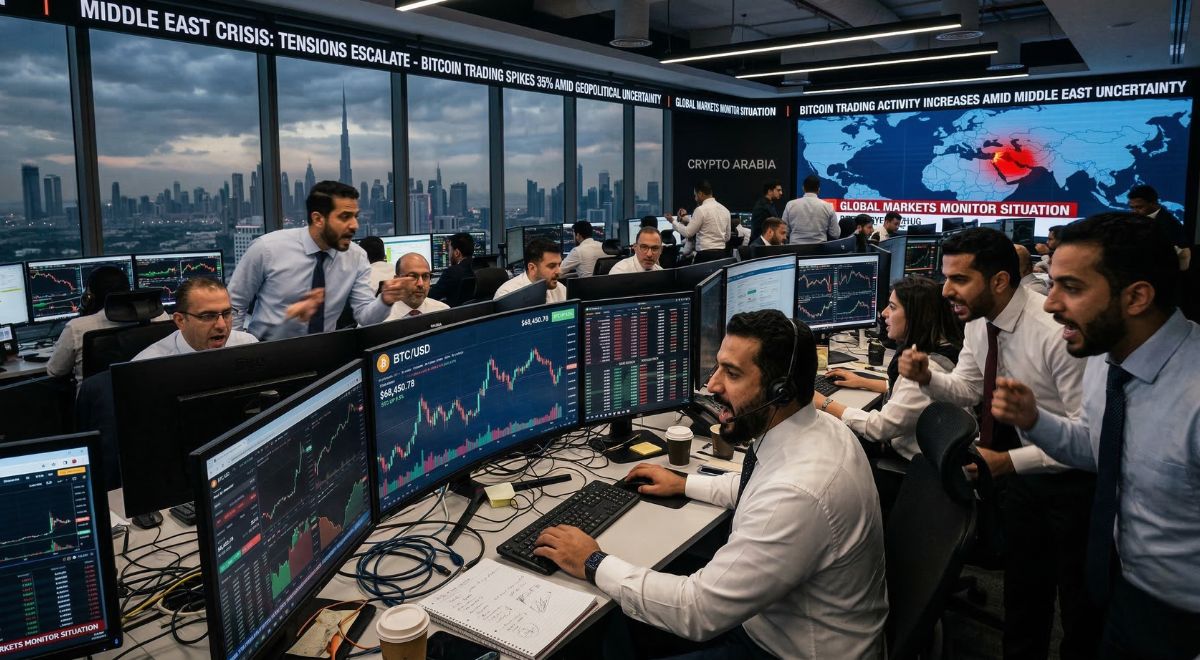
Data from major cryptocurrency exchanges shows a noticeable increase in Bitcoin trading volumes as news of escalating tensions in the Middle East spreads. Higher trading activity indicates that both institutional and retail investors are repositioning their portfolios to manage risk.
Some investors view Bitcoin as “digital gold” because it operates independently of central banks and national governments. Unlike traditional financial systems, Bitcoin transactions occur on a decentralized blockchain network, making the asset accessible even during financial disruptions.
The increased activity is not limited to large traders. Retail investors are also becoming more active, particularly in regions where geopolitical events directly affect local currencies or financial stability.
Why Investors Turn to Bitcoin During Crises
There are several reasons why Bitcoin trading tends to rise during times of geopolitical uncertainty:
- Decentralization
Bitcoin is not controlled by any government or financial institution, making it less vulnerable to political decisions or sanctions. - Limited Supply
The Bitcoin protocol limits the total supply to 21 million coins, which many investors believe protects it from inflation and currency devaluation. - Global Accessibility
Bitcoin can be traded and transferred globally without the need for traditional banking infrastructure. - Liquidity
Major cryptocurrency exchanges operate around the clock, allowing investors to react immediately to breaking global events.
Market Volatility Still Remains
Despite its growing reputation as a hedge against uncertainty, Bitcoin remains a highly volatile asset. Rapid price swings are common, especially during periods of intense news coverage or global economic stress.
For example, sudden geopolitical developments—such as military escalations, sanctions, or diplomatic breakthroughs—can cause sharp price movements in the cryptocurrency market. This volatility can create opportunities for traders but also increases risk for long-term investors.
The Growing Role of Crypto in Global Finance
The recent surge in Bitcoin trading activity demonstrates how digital assets are becoming increasingly integrated into the global financial ecosystem. Governments, financial institutions, and regulatory bodies around the world are now paying closer attention to how cryptocurrencies behave during geopolitical crises.
As global uncertainty continues, Bitcoin and other cryptocurrencies may play an even larger role in how investors hedge against economic and political risks. While it remains unclear whether Bitcoin will fully establish itself as a long-term safe-haven asset like gold, current market trends suggest that many investors are already treating it as one.