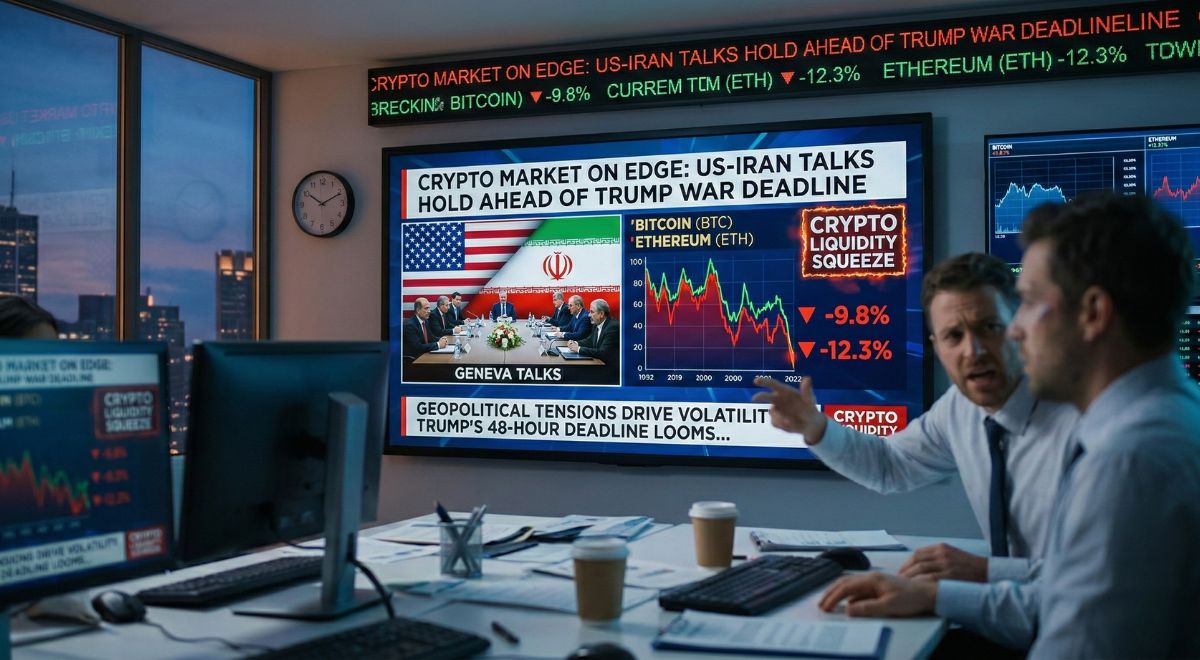
The global cryptocurrency market is experiencing heightened uncertainty as negotiators from the United States and Iran engage in a crucial round of diplomatic talks just days before a self-imposed deadline set by former President Donald Trump for resolving nuclear tensions a deadline that could determine whether diplomatic progress holds or military action resumes.
Table of Contents
ToggleWhy These Talks Matter to Crypto Investors
The US-Iran negotiations, now in their third round in Geneva, are centered on nuclear constraints and economic sanctions. President Trump has insisted that Iran must agree to strict limitations on its nuclear program by March 1-6 or face the threat of military retaliation.
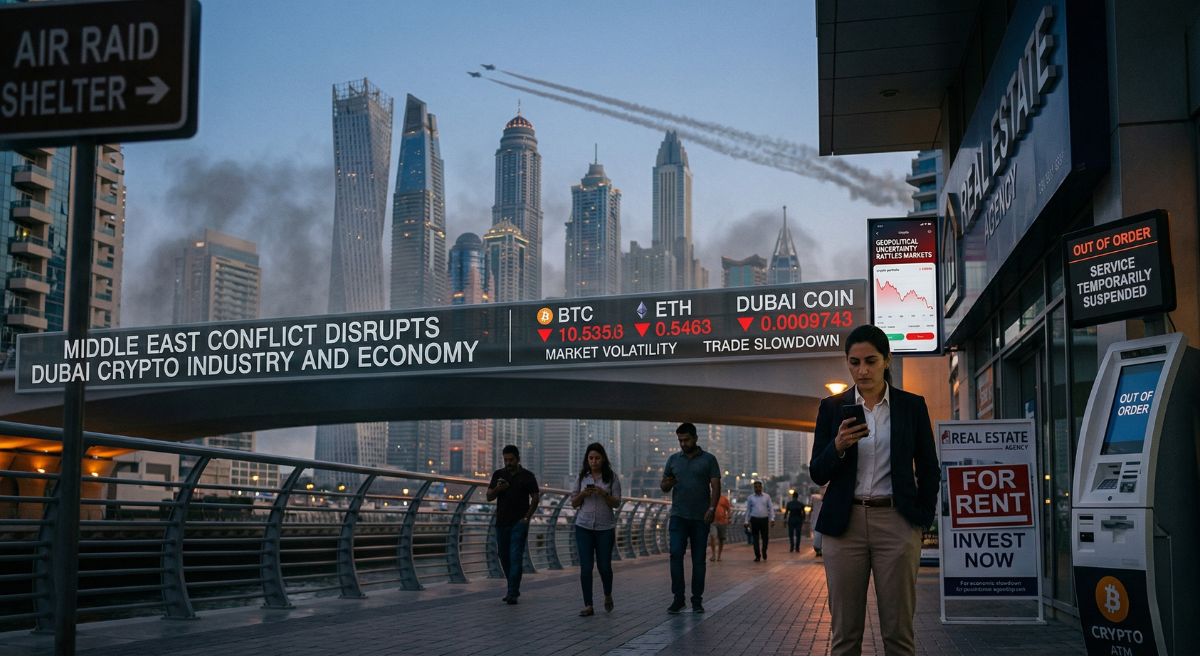
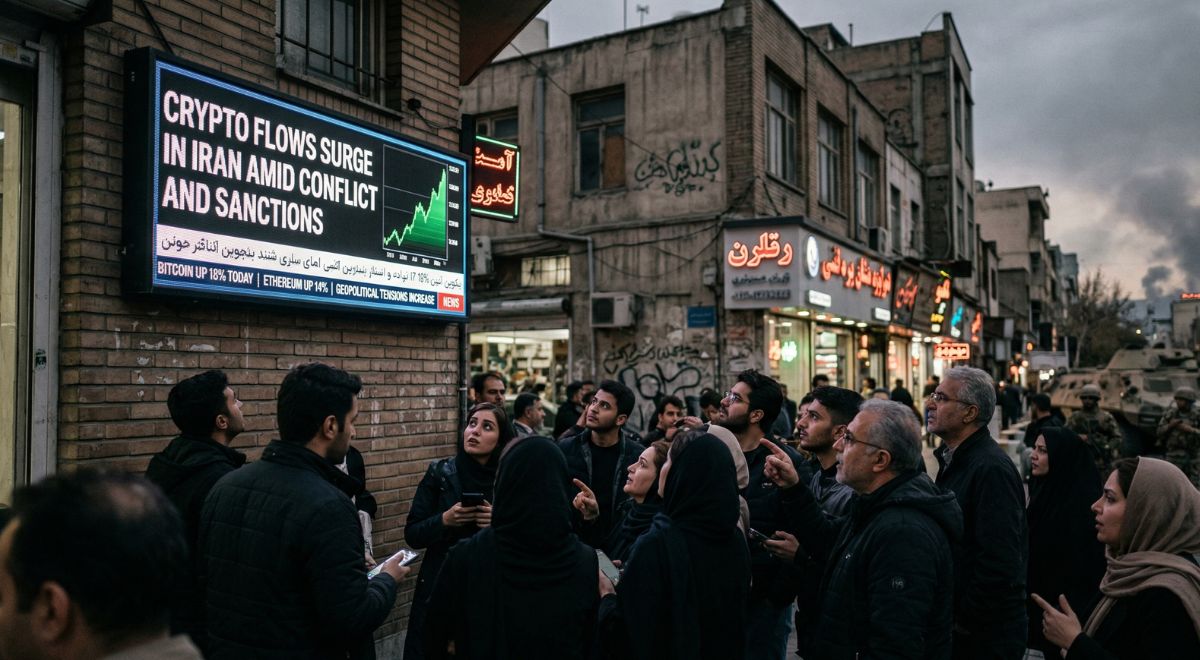
For the crypto market, which is widely viewed as a risk-on asset class, geopolitical instability can lead to dramatic swings in investor sentiment and prices:
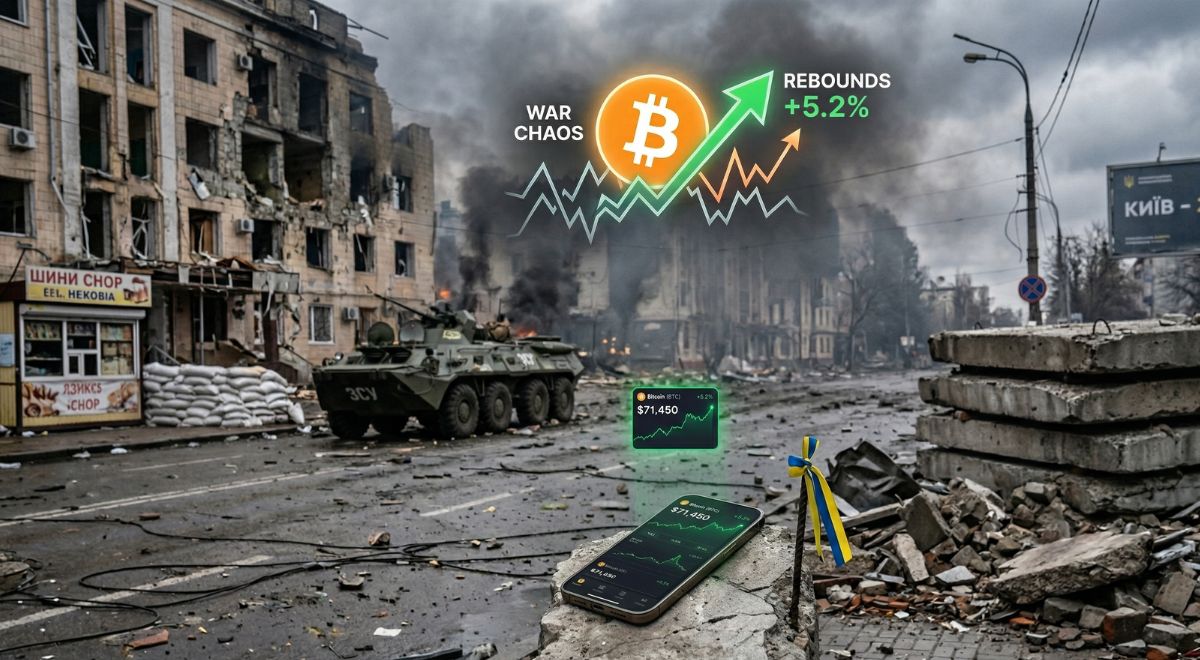
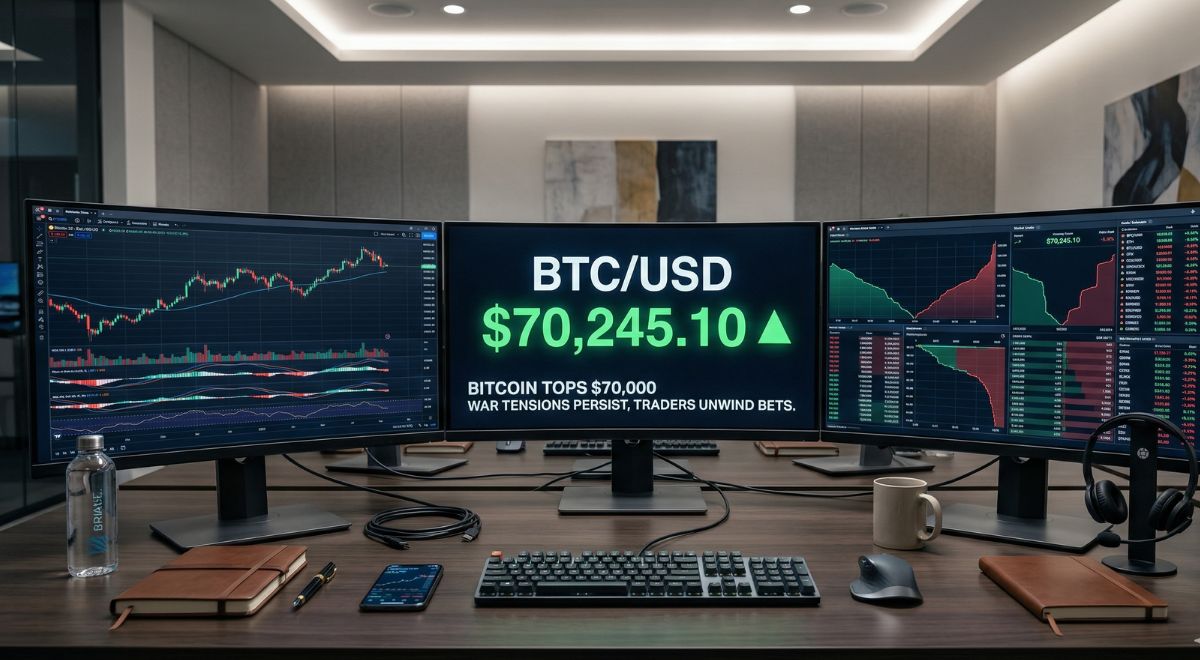
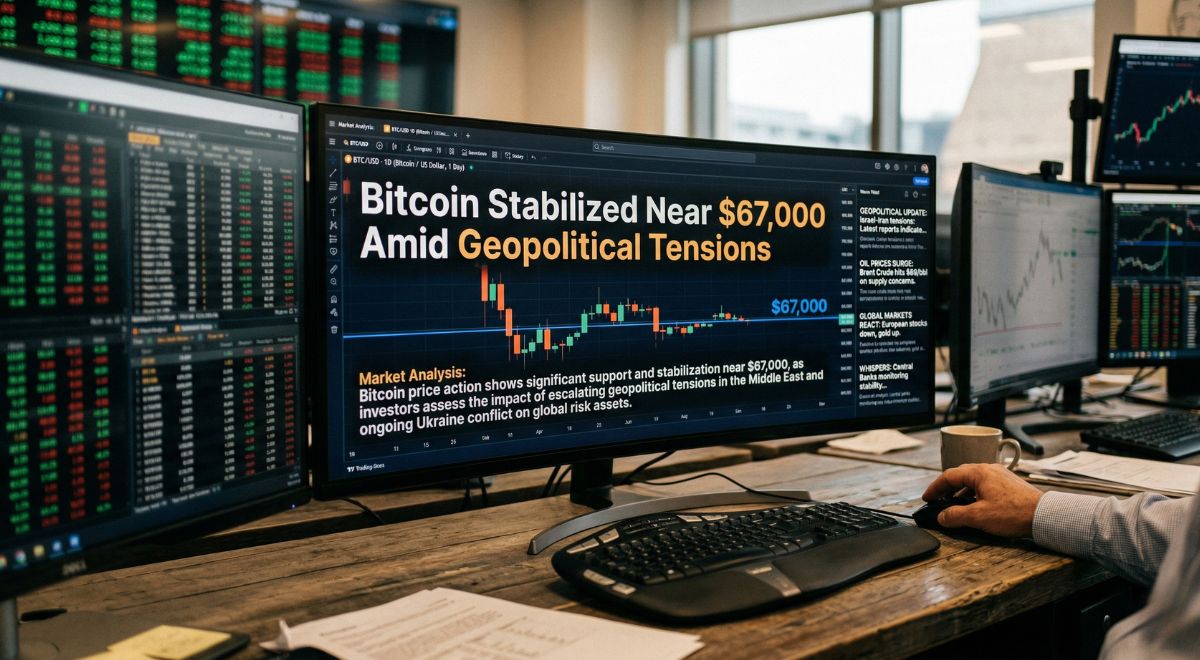
- Bitcoin (BTC) and other major cryptocurrencies have shown increased volatility as markets parse headlines from the talks. BTC recently stabilized near ~$68,000, but remains sensitive to geopolitical news flow.
- Analysts warn that even if the crisis doesn’t escalate into outright conflict, continued uncertainty alone can keep crypto prices choppy, with capital rotating toward assets perceived as safe havens or liquidity.
Market Indicators Signal Volatility
Several market dynamics reflect the heightened tension:
- Institutional inflows into Bitcoin ETFs — including daily inflows exceeding $500 million — have helped buttress prices in the short term, suggesting institutional players are not abandoning crypto entirely.
- But broader sentiment is fragile, with traders increasingly cautious as the world watches for a breakthrough in talks or any sign of escalation.
Altcoins like Solana (SOL) and BNB have also shown susceptibility to geopolitical risk, with some analysts forecasting potential pullbacks if risk-off sentiment intensifies.
Broader Geopolitical Stress and Market Reactions
It’s not just crypto that’s on edge — traditional markets and commodities also feel the strain:
- Oil prices remain volatile amid the backdrop of the negotiations and increased US military deployments in the Middle East.
- Gold and other safe-haven assets have seen inflows as investors hedge against broader geopolitical turmoil.
These cross-market responses matter because risk assets like cryptocurrencies often correlate with global sentiment — moving down when fear rises and up when fears ease.
Turning Points Ahead
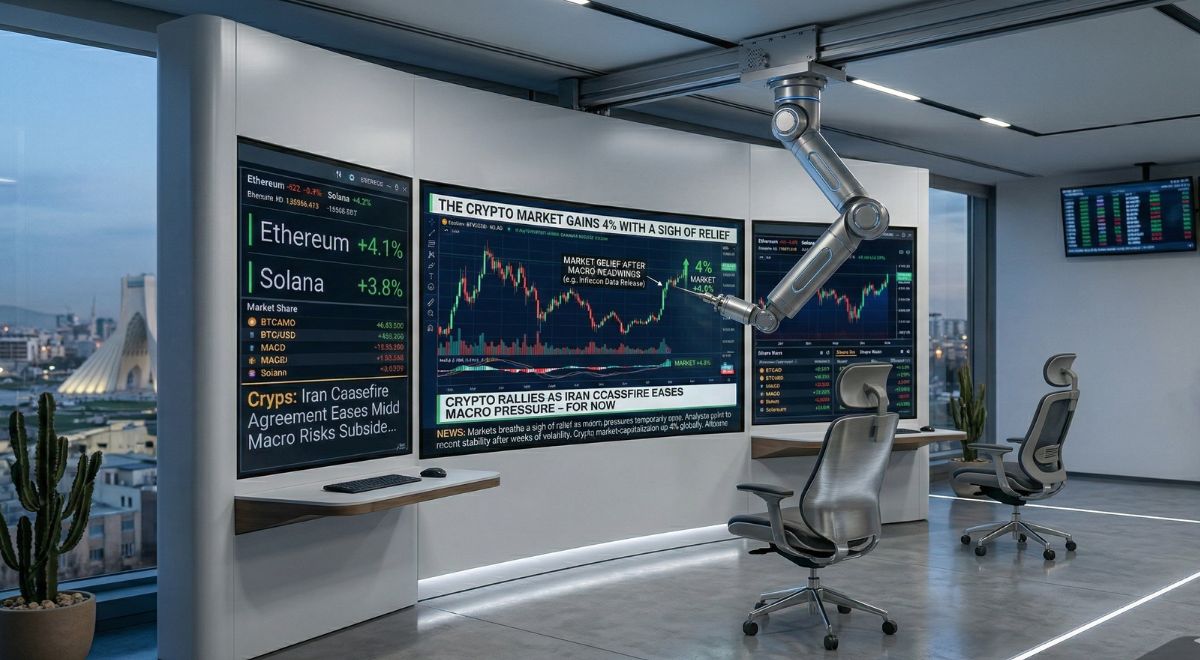
A successful diplomatic outcome could relieve risk markets, including crypto. But analysts currently assign only a modest probability to a breakthrough by the deadline, indicating that much of the market remains unconvinced.
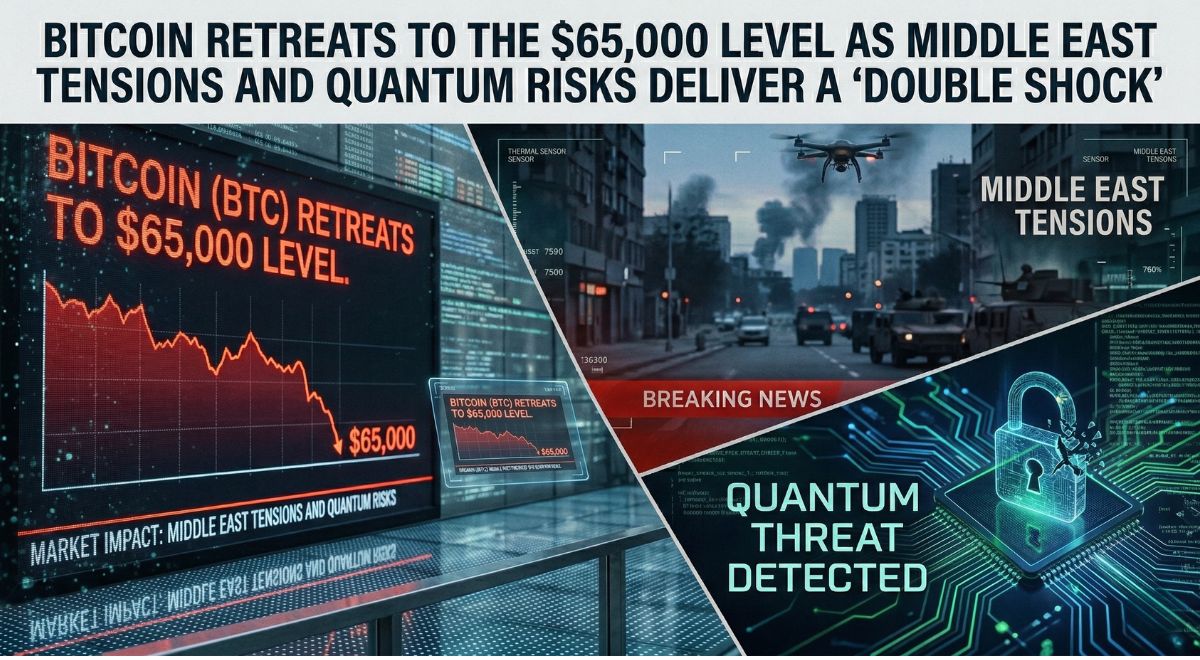
In contrast, if diplomacy fails and rhetoric escalates — particularly with potential military action looming — markets are likely to react sharply, with crypto potentially experiencing accelerated risk-off flows and price declines as traders unwind positions and seek safer assets.
Even in the absence of conflict, the psychological impact of repeated deadlines and unresolved negotiations can suppress trading activity and keep volatility elevated.