
The global cryptocurrency market has staged a notable rebound this week, climbing back above the US$2.38 trillion mark as easing geopolitical tensions in the Middle East helped restore investor confidence and drive digital‑asset prices higher.
Table of Contents
ToggleMarket Rebound on Geopolitical Relief
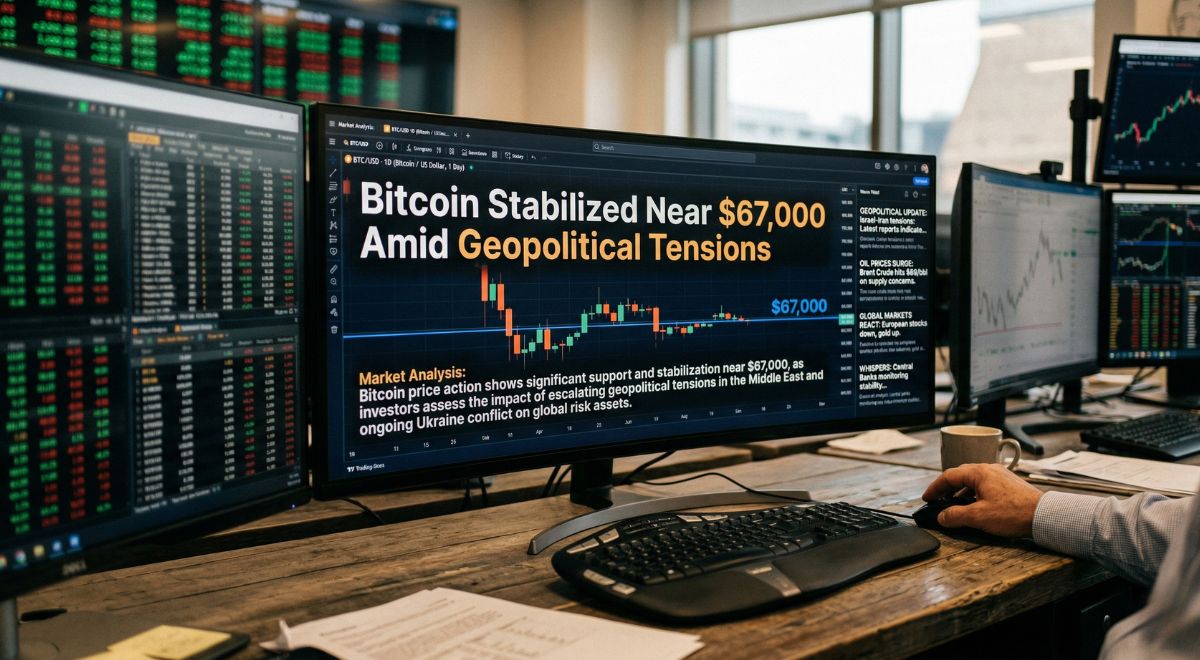
After weeks of volatility driven by heightened conflict in the Middle East, recent diplomatic signals and comments from key leaders have eased fears of wider escalation. These developments lifted risk appetite across global markets, with cryptocurrencies proving especially responsive. Bitcoin, the largest digital asset by market capitalization, rebounded toward the US$70,000 level — a key psychological threshold — while many major altcoins also posted gains.
According to market trackers, the total crypto market cap expanded by roughly 2.5 % in a 24‑hour period as traders interpreted signs of de‑escalation as a cue to re‑enter risk assets.
What’s Driving the Rally
Several factors have combined to fuel the resurgence:
- Easing Geopolitical Risk: Recent remarks suggesting a possible winding down of military tensions effectively reduced one of the largest uncertainties hanging over financial markets. This allowed capital to rotate back into riskier asset classes, including crypto.
- Oil Price Pullback: After sharp surges earlier in the crisis, global crude oil prices eased, reducing inflationary pressure and supporting broader market sentiment.
- ETF Inflows & Institutional Interest: Data shows renewed interest from institutional investors, with Bitcoin‑linked exchange‑traded products seeing net inflows that help buoy demand and reduce selling pressure.
Experts say these forces have collectively helped transition crypto markets out of a risk‑off posture and back toward a more positive trend — at least in the short term.
Key Assets on the Move
Bitcoin’s rebound toward $70,000 reflects underlying strength in investor demand, even as markets remain cautious. Ethereum and other top altcoins have also registered gains, benefiting from improved risk sentiment and rotation out of cash and traditional equities.
Despite this optimism, broader sentiment indicators — such as the Fear & Greed Index — remain skewed toward “fear,” suggesting that many investors are still wary and that volatility could persist.
What Comes Next?
Looking ahead, analysts point to several key factors that will shape the crypto market’s next phase:
- Sustaining Geopolitical Calm: Continued progress toward diplomatic resolution in the Middle East could further lower risk premiums and support additional upside for crypto assets.
- Federal Reserve Policy: Macro forces like U.S. interest rate expectations remain central. Any shifts in monetary policy could reinvigorate or dampen appetite for risk assets like cryptocurrencies.
- Market Structure & Technical Levels: A successful breakout above resistance bands — such as Bitcoin holding above the $70,000 zone — could catalyze further technical momentum. Conversely, failure at key levels could trap prices in a range‑bound market.
In an environment still shaped by macro uncertainty, the crypto market’s recent uptick reflects both relief and caution — a dynamic likely to define price action in the coming weeks.