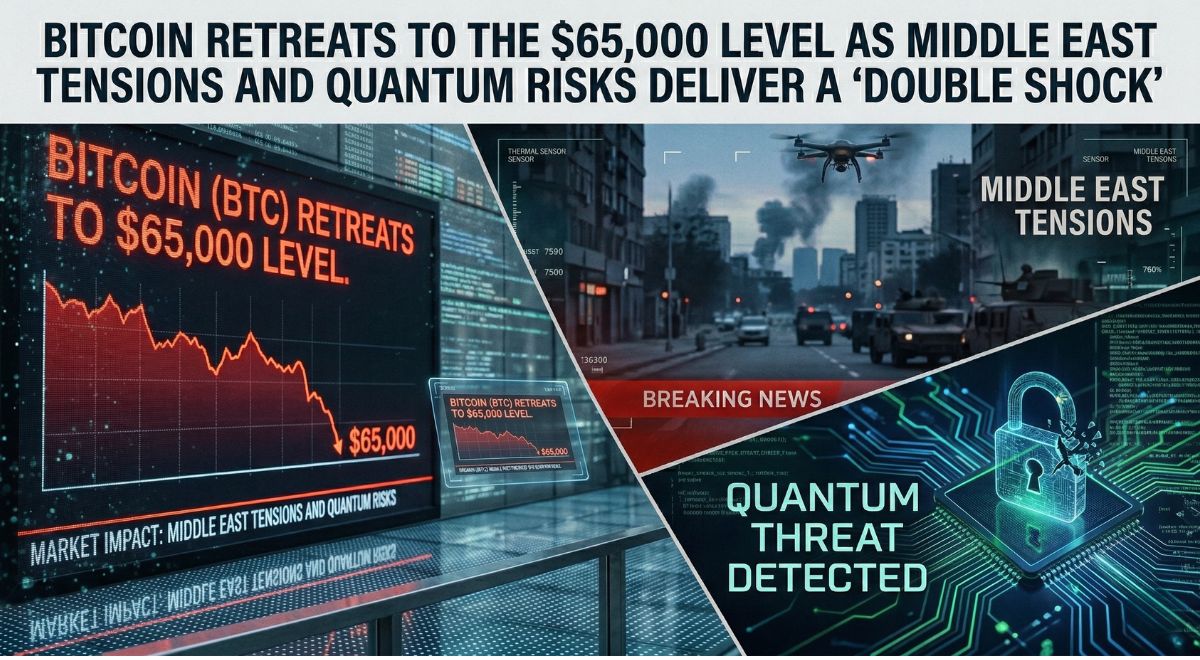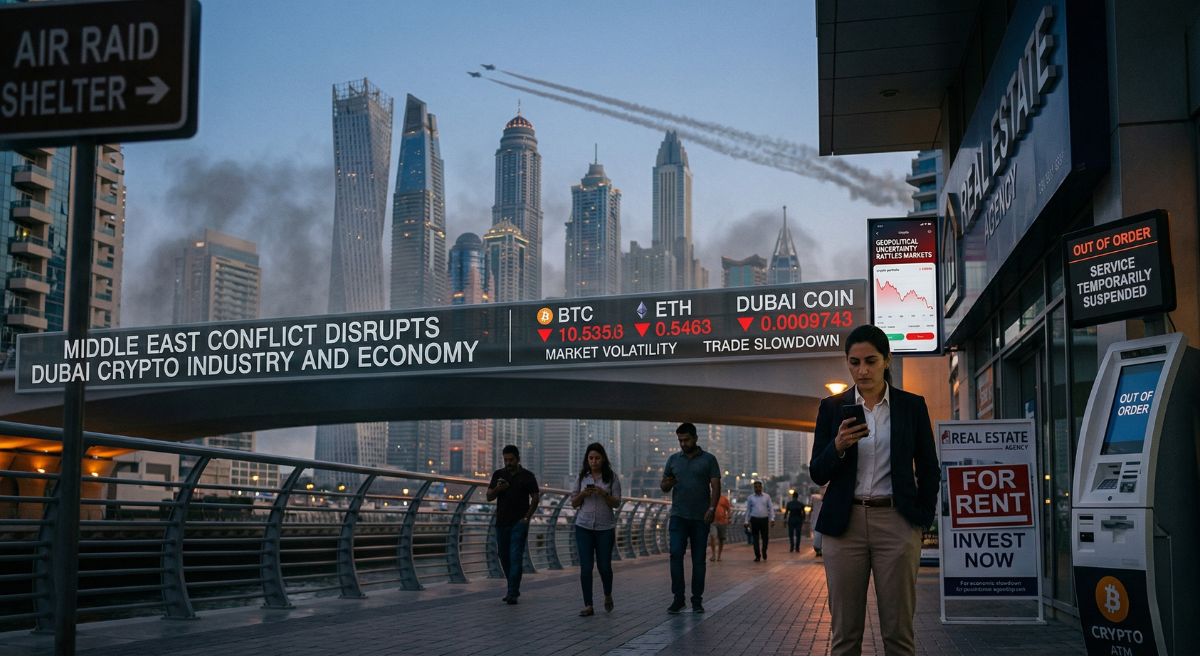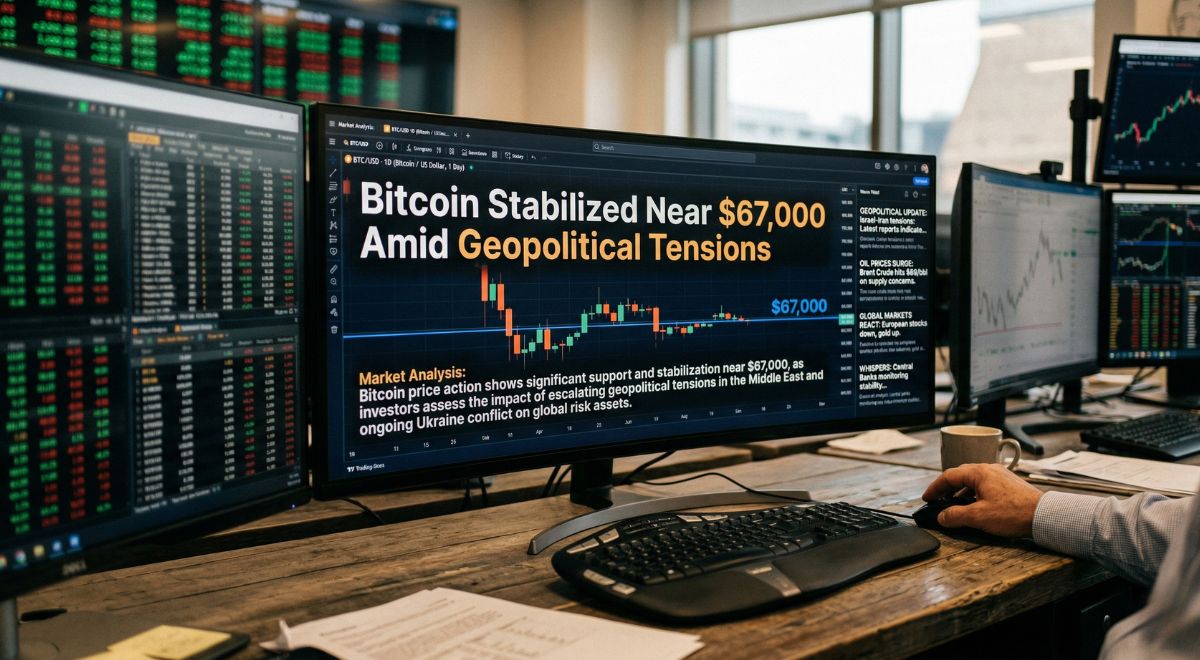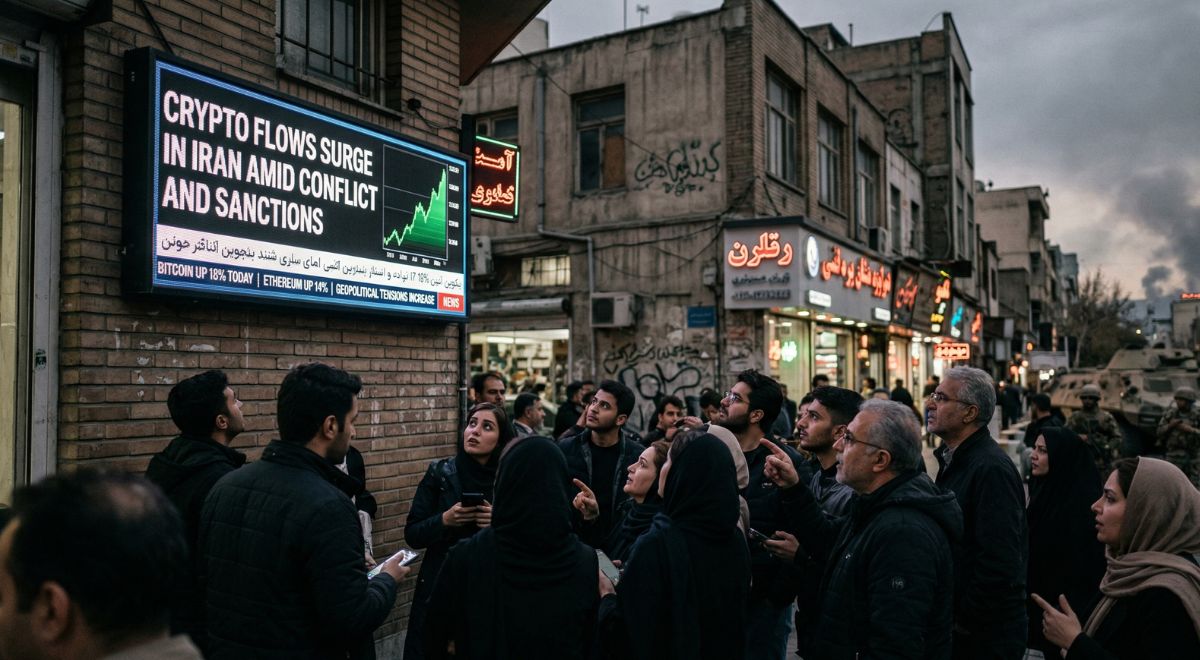
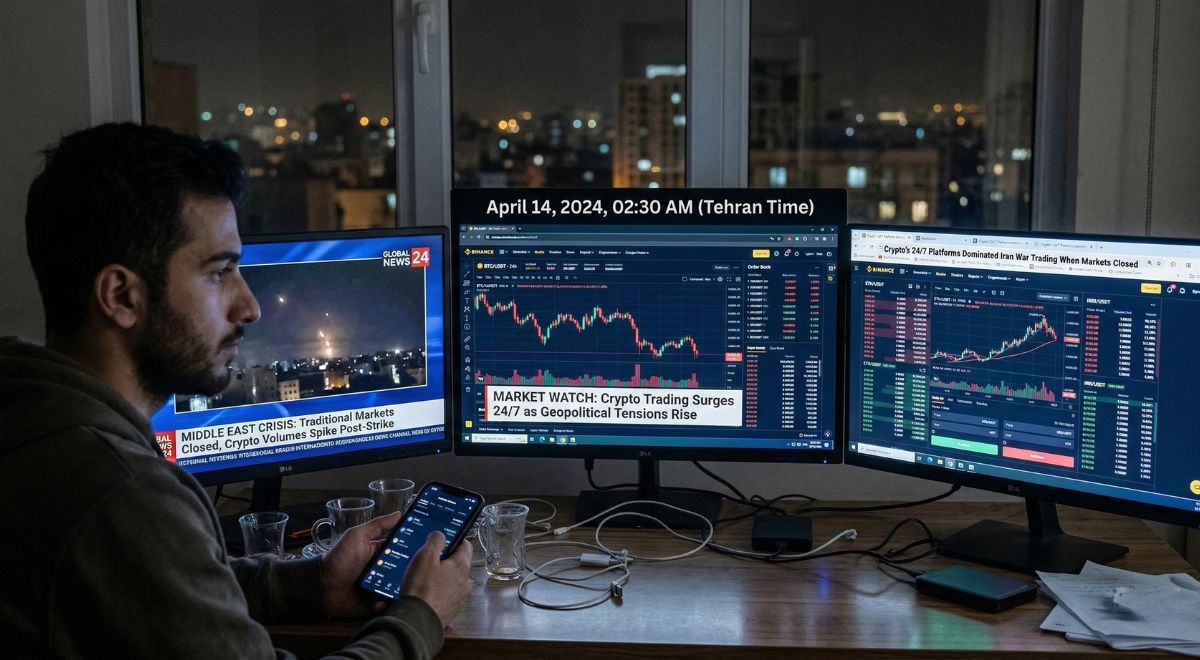
As geopolitical tensions escalated during the recent conflict involving the United States, Israel, and Iran, global financial markets faced an unusual test. While traditional stock, commodity, and futures exchanges were closed for the weekend, cryptocurrency platforms remained active around the clock. This created a unique situation where crypto markets became the primary venue for investors seeking to react to the rapidly evolving geopolitical crisis.
Table of Contents
ToggleWar News Hits While Traditional Markets Sleep
On February 28, 2026, coordinated military strikes on Iranian targets triggered immediate volatility across global financial markets. However, the timing of the attack—during the weekend—meant that major traditional exchanges such as the New York Stock Exchange and commodity futures markets were not operating.
With equities, oil futures, and other traditional instruments unavailable for trading, investors turned to cryptocurrency markets to hedge risk and respond to the unfolding news. Because crypto platforms operate 24 hours a day, seven days a week, they quickly became the only major liquid financial markets open during the crisis.
Crypto Becomes the First Reaction Market
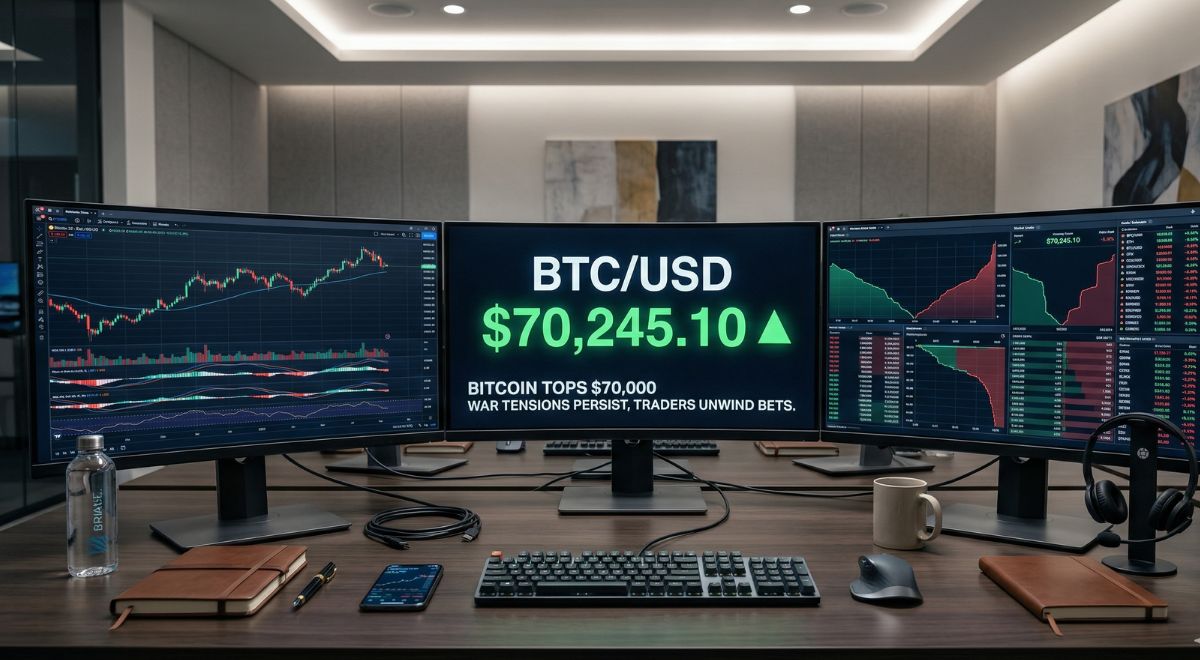
The reaction in digital assets was immediate. Bitcoin dropped nearly 4% shortly after the strikes were reported, briefly falling toward $63,000 before stabilizing as markets absorbed the news.
Within hours, more than $500 million in leveraged crypto positions were liquidated across exchanges, reflecting intense market volatility as traders rushed to reposition portfolios.
Crypto derivatives markets also saw a surge in activity. On-chain trading platforms offered perpetual contracts linked to commodities such as oil, gold, and silver—assets traditionally used as geopolitical hedges. Oil-linked contracts jumped over 5%, while gold and silver derivatives also experienced significant gains as investors sought safe-haven exposure.
On-Chain Platforms Lead Price Discovery
Decentralized trading platforms played a particularly important role during the weekend turmoil. Platforms like Hyperliquid processed billions of dollars in trading volume as investors used blockchain-based markets to price global risk in real time.
According to industry analysts, this was one of the clearest examples yet of how on-chain markets can function as real-time price discovery venues when traditional finance is offline. In some cases, trading activity on these platforms even influenced how mainstream financial media interpreted commodity price movements during the conflict.
Crypto Use Surges in Iran Amid Crisis
The conflict also triggered significant crypto activity inside Iran itself. Blockchain analytics firms reported that millions of dollars flowed out of Iranian exchanges within hours of the strikes, suggesting that citizens and institutions were moving funds amid rising uncertainty.
Cryptocurrency has already become widely used in the country due to economic sanctions and currency instability, and the crisis further highlighted its role as an alternative financial system during times of geopolitical disruption.
A Glimpse of Finance’s 24/7 Future
For many analysts, the weekend’s events demonstrated a structural shift in how financial markets operate. While traditional finance still relies heavily on fixed trading hours, crypto markets continue to function without interruption, allowing investors to respond instantly to global events.
Industry observers argue that the Iran war weekend could accelerate interest in 24/7 trading systems, tokenized assets, and blockchain-based financial infrastructure. As geopolitical and economic events increasingly occur outside traditional market hours, the ability to trade continuously may become a key advantage for digital asset platforms.
Conclusion
The Iran conflict provided a real-world stress test for global financial markets. With traditional exchanges closed, cryptocurrency platforms stepped in as the primary venues for price discovery and risk hedging. The episode highlighted how 24/7 crypto markets can dominate trading activity during periods when traditional finance is unable to respond—potentially signaling a broader shift toward always-on financial systems.