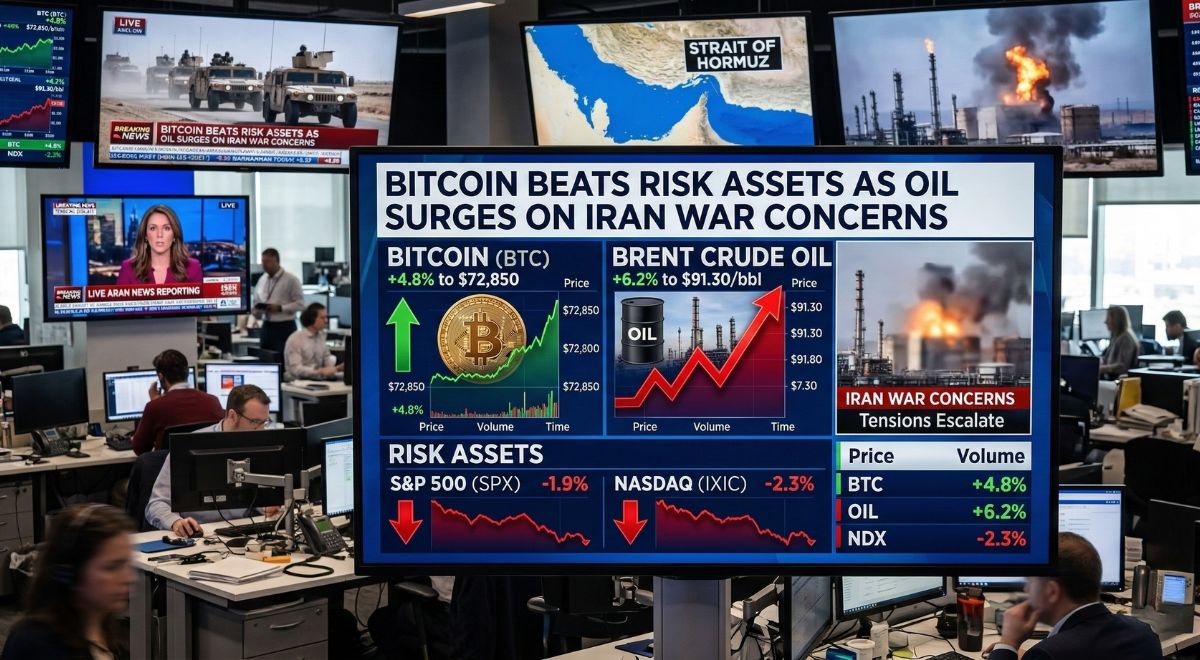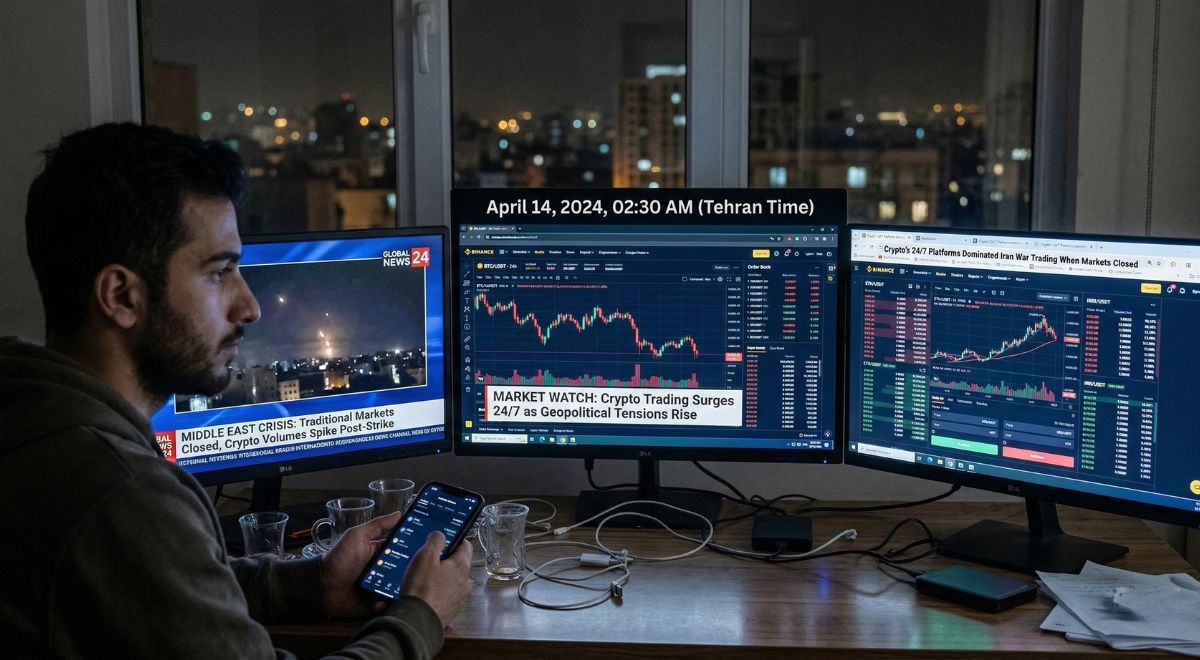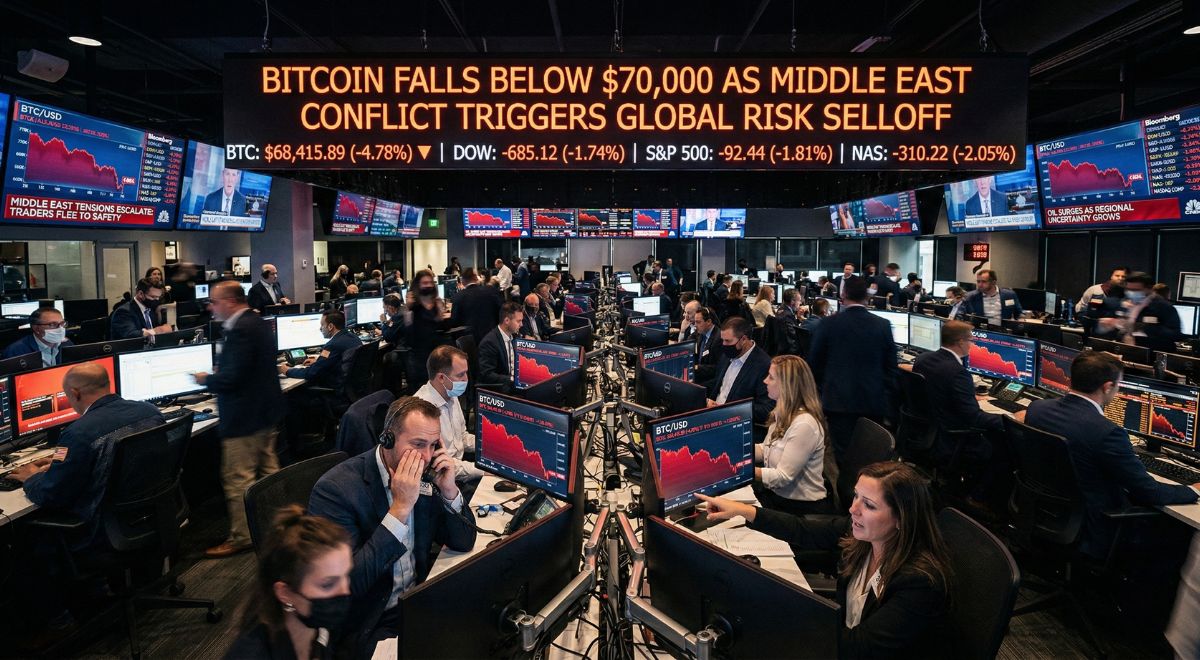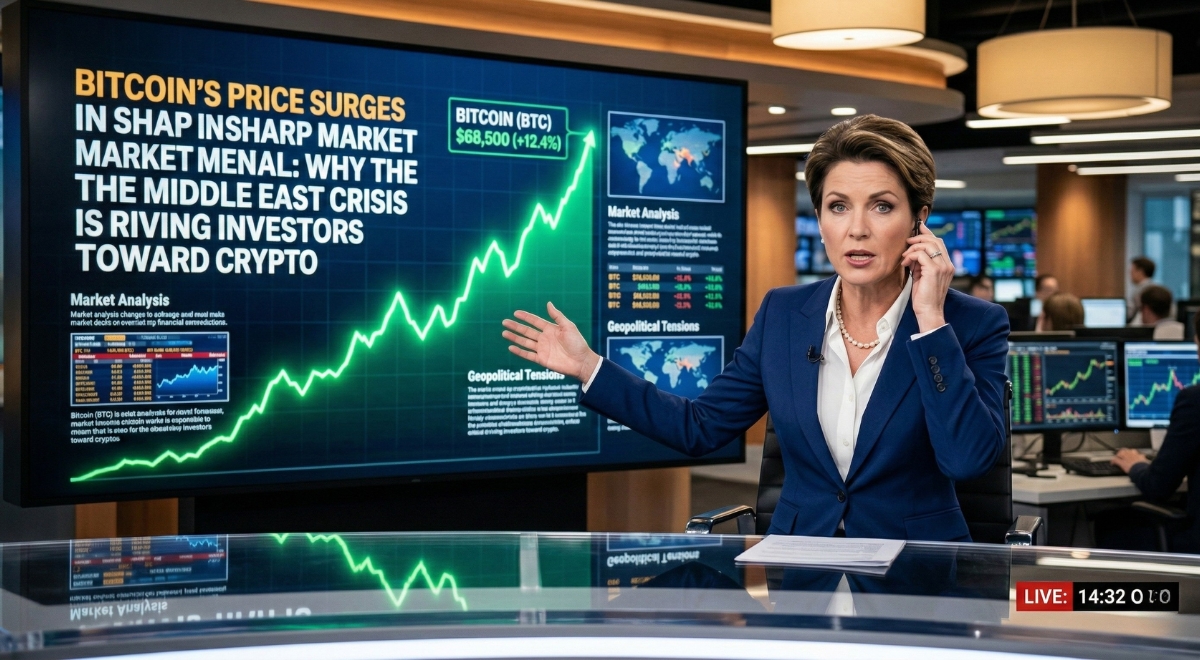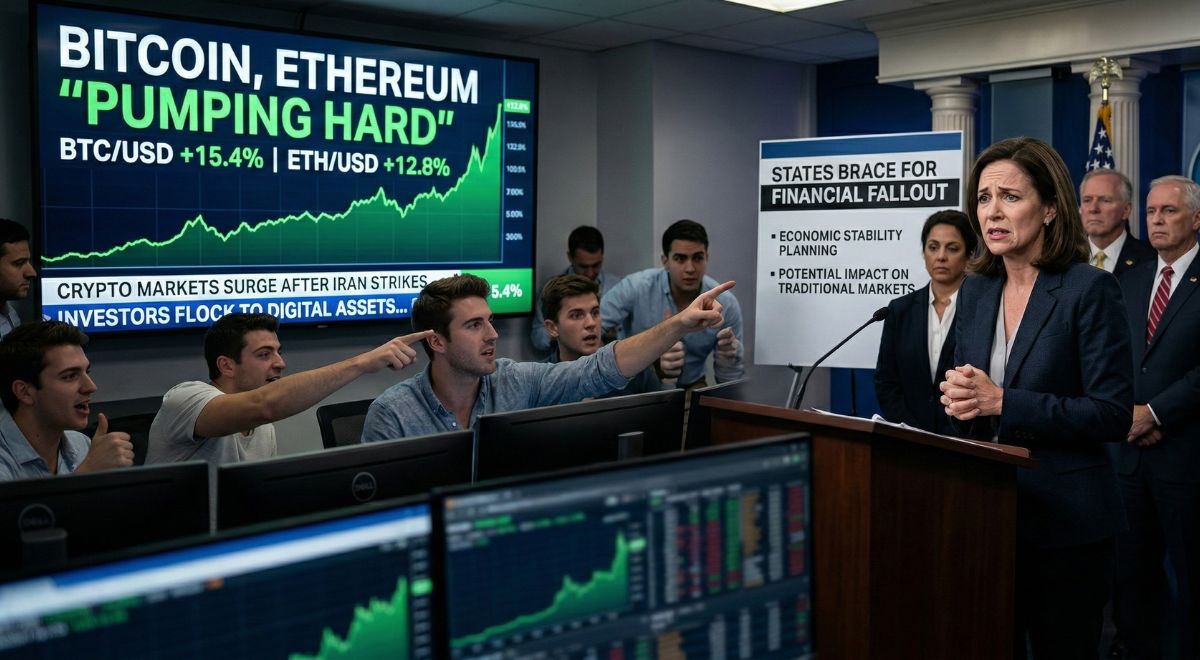

In the wake of geopolitical tensions and global market uncertainty, the cryptocurrency market has staged an impressive comeback. After months of volatility triggered by regional conflicts, economic instability, and tightening monetary policies, digital assets are once again capturing the attention of investors worldwide. The recent surge in major cryptocurrencies such as Bitcoin and Ethereum has reignited optimism across the industry. However, the big question now dominating financial discussions is whether this rebound marks the beginning of a sustained bull market—or merely a sophisticated bull trap.
Table of Contents
ToggleA Rapid Post-Conflict Rebound
Geopolitical conflicts often trigger panic across global financial markets. During periods of uncertainty, investors typically seek safer assets such as gold or government bonds. Interestingly, cryptocurrencies have increasingly begun to act as an alternative hedge in times of crisis.
When tensions escalated in parts of the Middle East and other regions, crypto markets initially experienced a sharp decline as traders rushed to liquidate riskier assets. But as the situation stabilized and financial markets adjusted, digital currencies rebounded rapidly. Within weeks, Bitcoin regained significant momentum, while Ethereum and several altcoins followed closely behind.
This recovery has been fueled by renewed investor confidence, institutional inflows, and the perception that decentralized assets can operate independently of traditional financial systems.
Institutional Investors Re-Entering the Market
One of the most significant drivers behind the recent rally is the return of institutional investors. Large asset managers, hedge funds, and financial firms are once again allocating capital to crypto markets.
Institutional participation has been growing steadily since the introduction of regulated crypto investment products and exchange-traded funds linked to Bitcoin. These investment vehicles have made it easier for traditional investors to gain exposure to digital assets without directly managing private wallets or navigating complex exchanges.
As a result, the influx of institutional capital has increased liquidity and contributed to stronger price momentum across the market.
Macroeconomic Factors Supporting Crypto
Beyond geopolitics, broader economic conditions are also playing a crucial role in crypto’s recovery. Persistent inflation concerns, fluctuating interest rates, and currency volatility in several regions have pushed some investors toward decentralized assets.
Cryptocurrencies are often viewed as a hedge against fiat currency devaluation, particularly in emerging markets where local currencies face instability. In such environments, digital assets provide a relatively accessible store of value and a tool for cross-border transactions.
Additionally, technological developments within blockchain ecosystems continue to strengthen the long-term narrative for cryptocurrencies. Innovations in decentralized finance (DeFi), layer-2 scaling solutions, and tokenized financial assets are expanding the practical applications of blockchain technology.
Warning Signs of a Possible Bull Trap
Despite the strong rebound, some analysts remain cautious. Rapid price surges following periods of market stress can sometimes signal a bull trap—an event where prices rise sharply before reversing, catching overly optimistic investors off guard.
Several warning indicators are being closely monitored by market analysts:
- Low Retail Participation: While institutional investors are active, retail trading volumes have not fully recovered in some markets.
- Macroeconomic Uncertainty: Global interest rates and monetary policies remain unpredictable, which could impact risk assets.
- Regulatory Pressure: Governments around the world are still developing regulations for cryptocurrency markets, creating potential uncertainty for investors.
If these factors shift negatively, the current rally could lose momentum.
Market Sentiment and Psychological Momentum
Crypto markets are heavily influenced by sentiment and investor psychology. Fear, uncertainty, and speculation can drive dramatic price movements in both directions.
As prices climb, optimism spreads quickly across trading communities and social media platforms. This renewed enthusiasm often attracts new participants hoping to benefit from rising prices, further accelerating market momentum.
However, history shows that crypto markets frequently move in cycles, with periods of rapid growth followed by sharp corrections.
The Long-Term Outlook
While short-term volatility remains inevitable, many industry experts believe that the long-term outlook for cryptocurrency remains positive. Blockchain technology continues to gain adoption across finance, supply chains, digital identity systems, and emerging Web3 platforms.
Large financial institutions, payment processors, and even governments are exploring ways to integrate digital assets into existing financial infrastructures.
For investors, the key challenge will be distinguishing between temporary market hype and genuine structural growth.