Image Credit : Reuters
Global financial markets are entering a phase of heightened uncertainty as Iran signals that any potential ceasefire agreement must meet strict and far-reaching conditions. While diplomatic efforts continue behind the scenes, investors are increasingly wary that the path to de-escalation may be longer—and more volatile—than previously anticipated.
Table of Contents
ToggleA Fragile Hope Meets Tough Reality
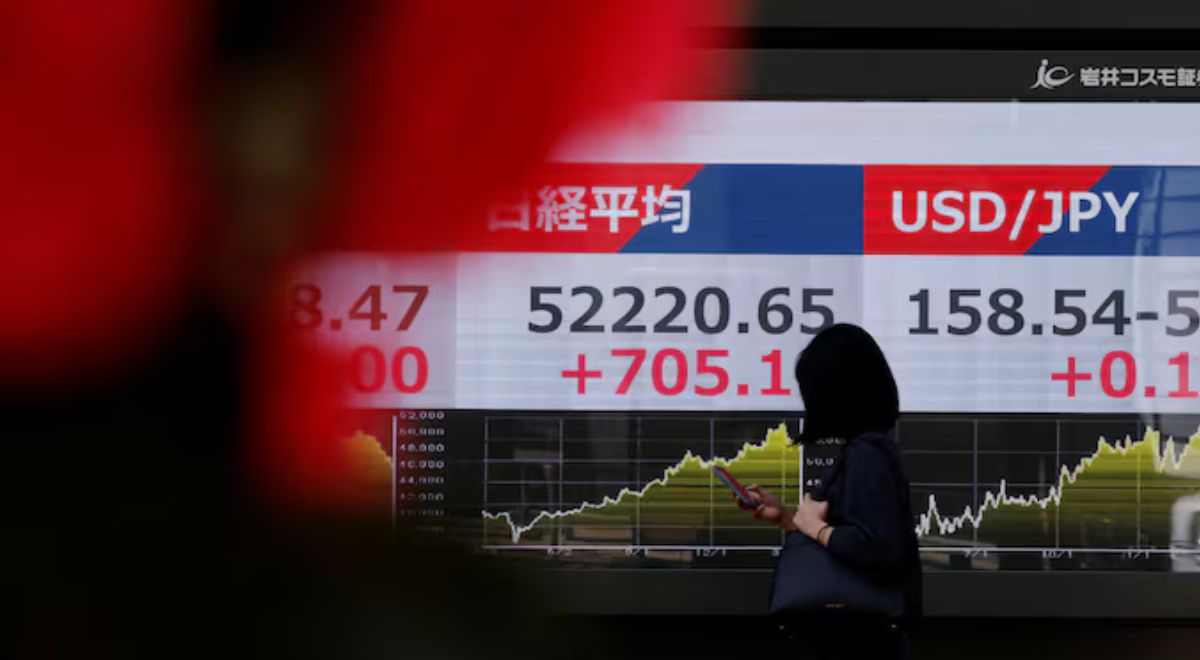
Recent reports suggest that proposals for a temporary ceasefire have sparked cautious optimism across global markets. Stocks have edged higher and oil prices briefly pulled back on hopes that tensions in the Middle East could ease.
However, this optimism remains fragile. Iranian officials have publicly denied direct negotiations, and conflicting political signals have left investors uncertain about whether meaningful progress is actually being made.
Iran’s firm stance—reportedly demanding major concessions tied to security, regional influence, and nuclear policy—has effectively raised the bar for any agreement. This has reinforced the perception that a quick resolution is unlikely.
Oil Markets at the Center of the Storm
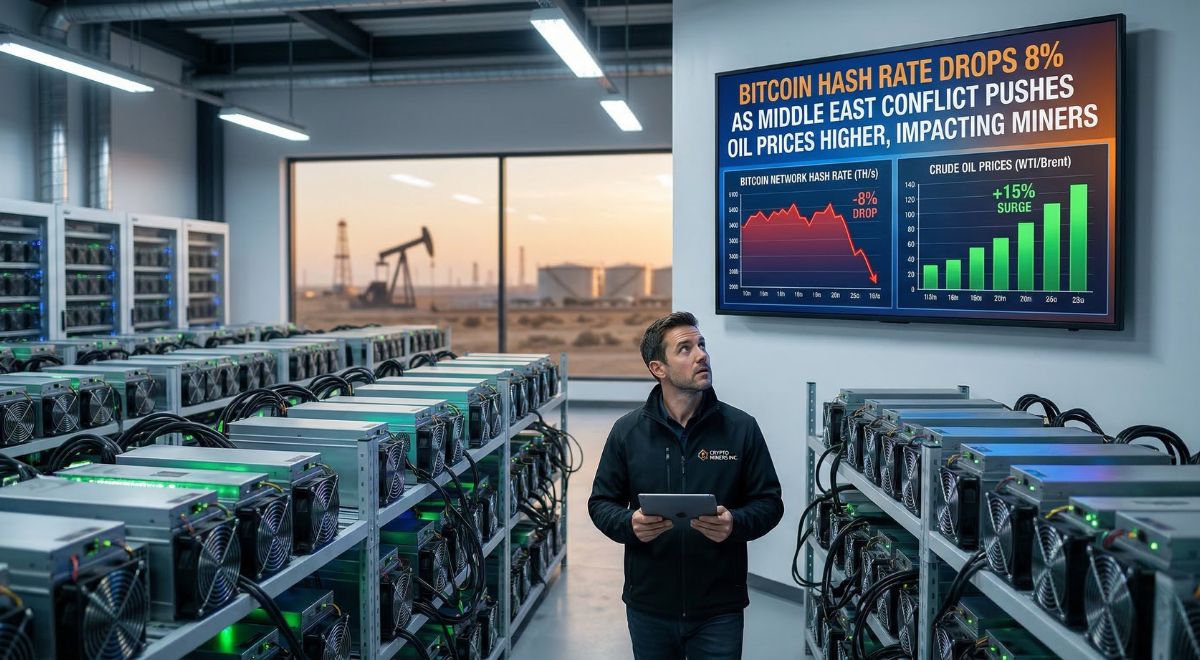
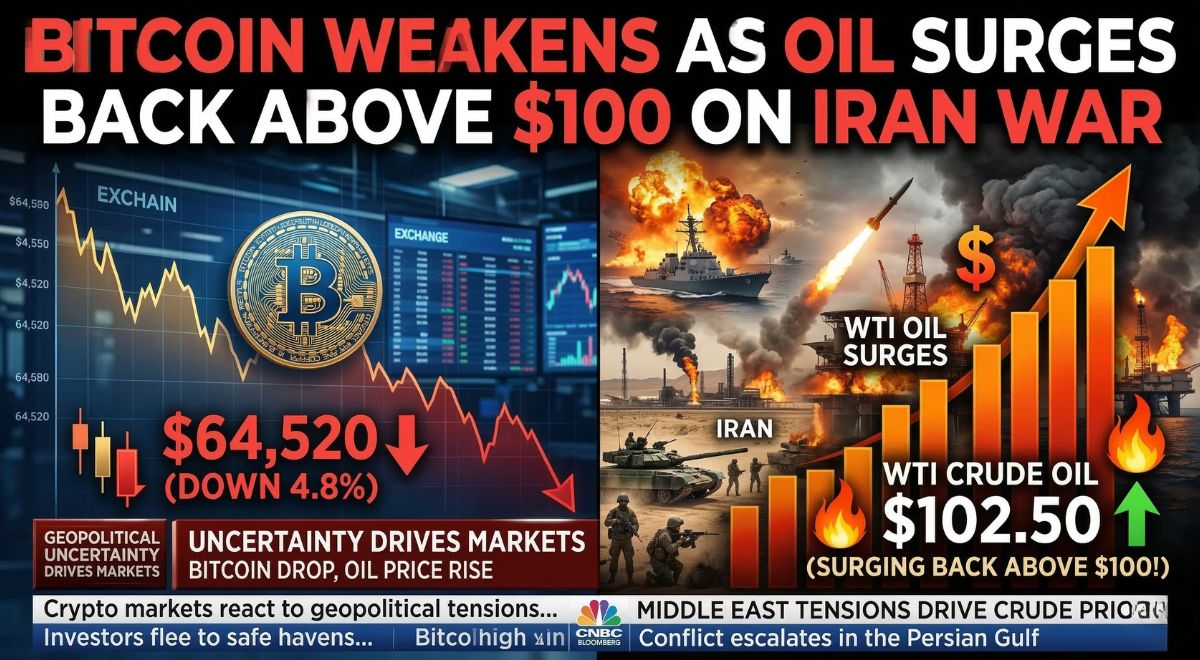
Energy markets continue to be the most sensitive to developments. The conflict has already disrupted supply routes, particularly through the Strait of Hormuz, a critical chokepoint for global oil shipments.
Although oil prices have dipped slightly on ceasefire hopes, they remain elevated overall. Since the conflict began, crude prices have surged significantly, fueling inflation concerns worldwide.
Analysts warn that even if a ceasefire is reached, restoring full energy flows could take time due to infrastructure damage and ongoing geopolitical risks.
Global Economy Feeling the Pressure
The economic impact of the conflict is becoming increasingly visible. Business surveys across major economies show slowing growth, rising costs, and weakening confidence.
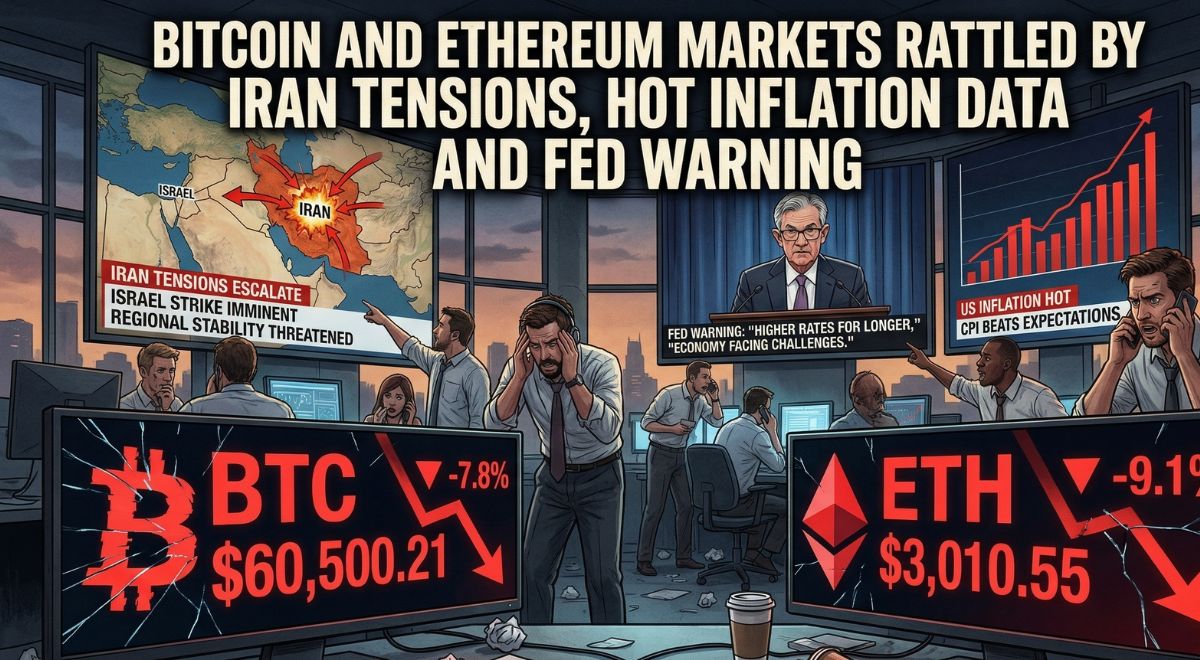
Higher energy prices are feeding into inflation, forcing central banks to reconsider their policy paths. Instead of cutting interest rates, some may need to keep them elevated—or even raise them further—to contain price pressures.
This combination of slow growth and persistent inflation has raised fears of stagflation, a scenario that markets typically struggle to navigate.
Currency and Crypto Markets Reflect Uncertainty
Currency markets are showing signs of hesitation rather than clear direction. The U.S. dollar has remained relatively stable, while other major currencies fluctuate amid mixed economic signals and geopolitical risks.
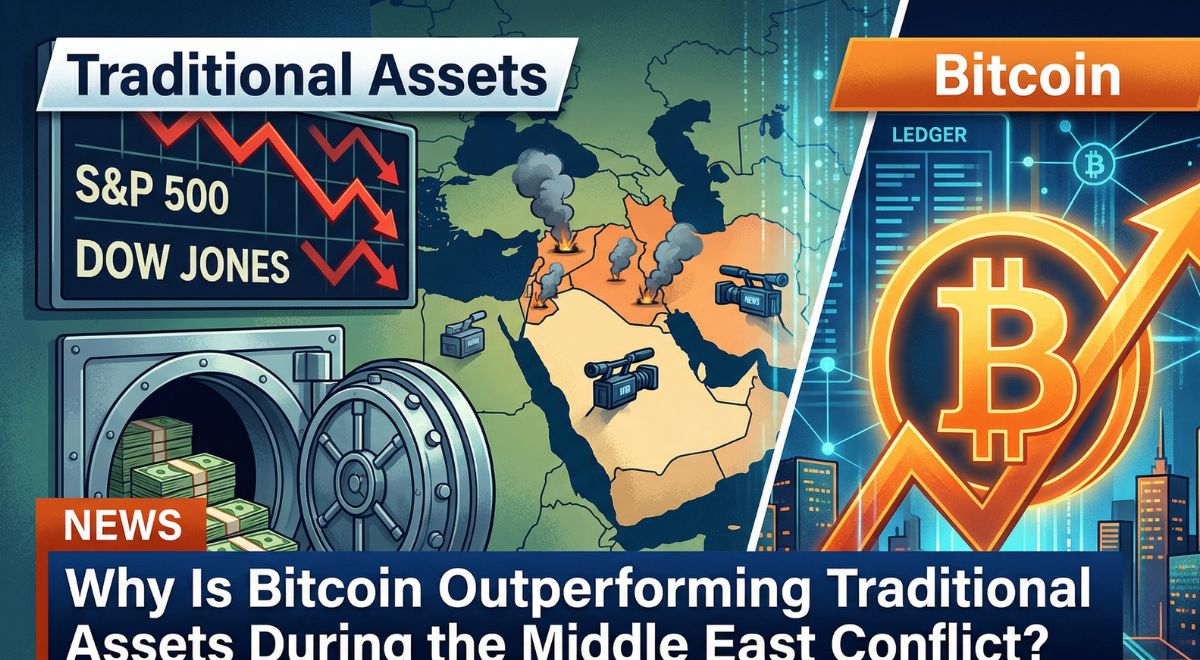
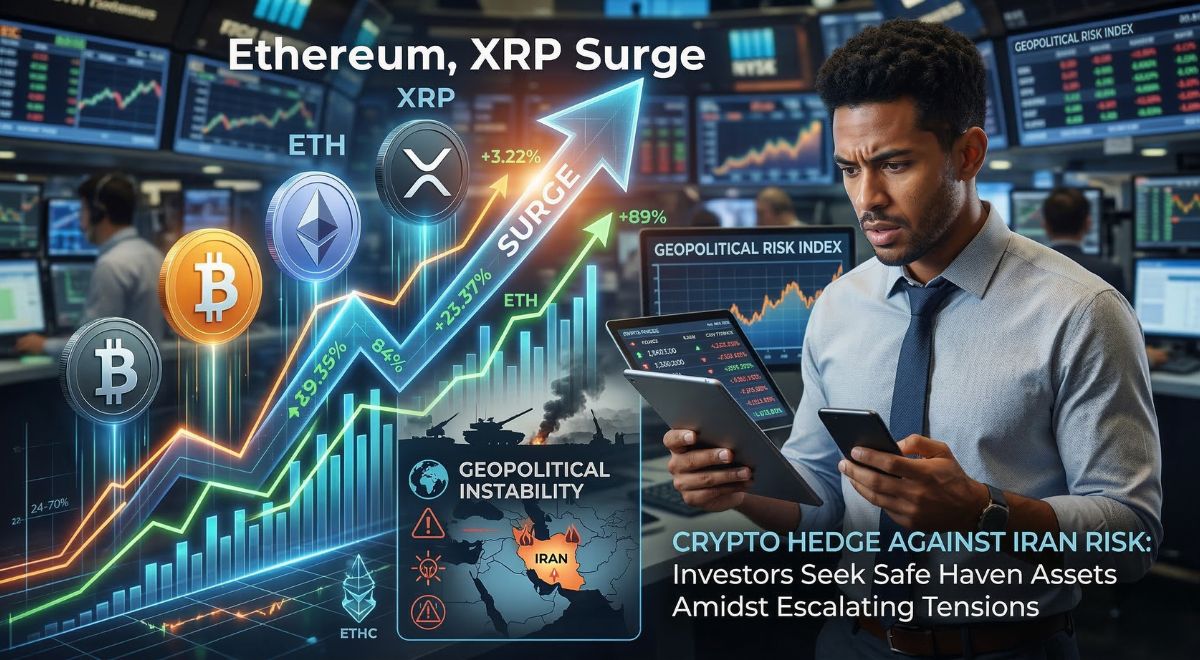
Meanwhile, cryptocurrencies like Bitcoin and Ethereum have seen modest gains, as some investors turn to alternative assets during periods of geopolitical instability.
Market Sentiment: Cautious, Not Confident
Perhaps the most defining feature of the current market environment is caution. Investors are reacting not just to confirmed developments, but to headlines, rumors, and shifting expectations around a potential ceasefire.
There is a growing gap between market pricing and geopolitical reality. While some traders are betting on a near-term resolution, the complexity of Iran’s demands suggests that negotiations could drag on—or even collapse.
What Comes Next?
Markets are likely to remain highly sensitive to any updates on diplomatic efforts. Key signals to watch include:
- Concrete progress in negotiations rather than political statements
- Stability in oil prices, which will influence inflation trends
- Central bank responses to prolonged energy-driven inflation
In the short term, volatility is expected to persist. Even if a ceasefire is eventually achieved, the road to economic stability may be slow and uneven.