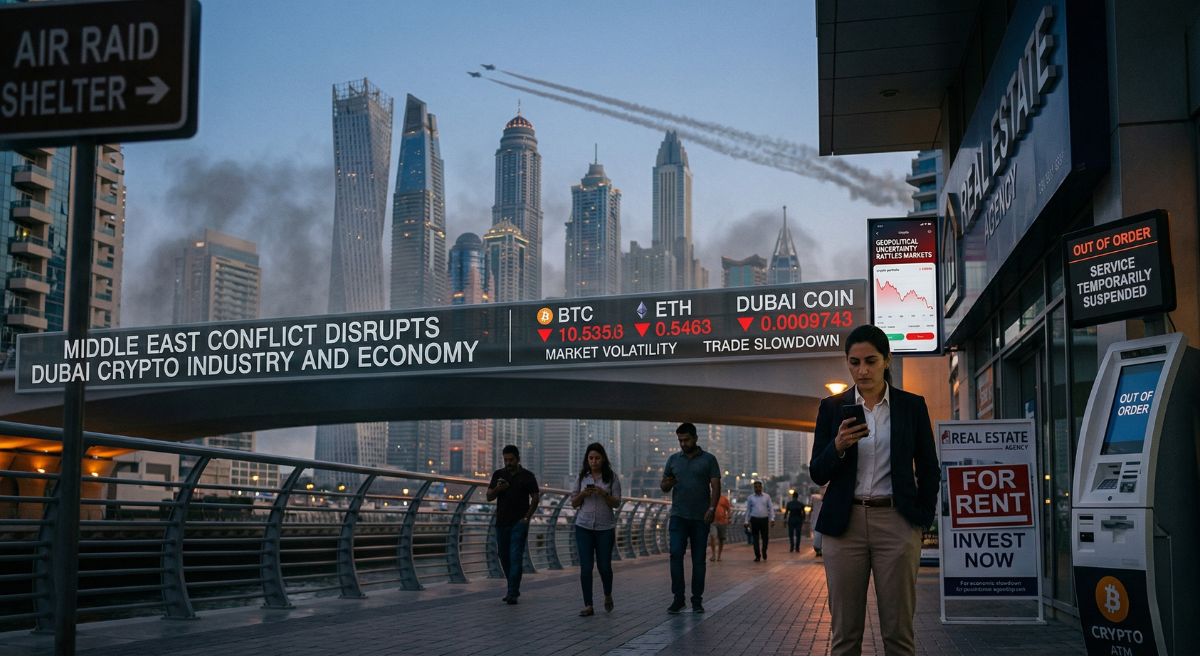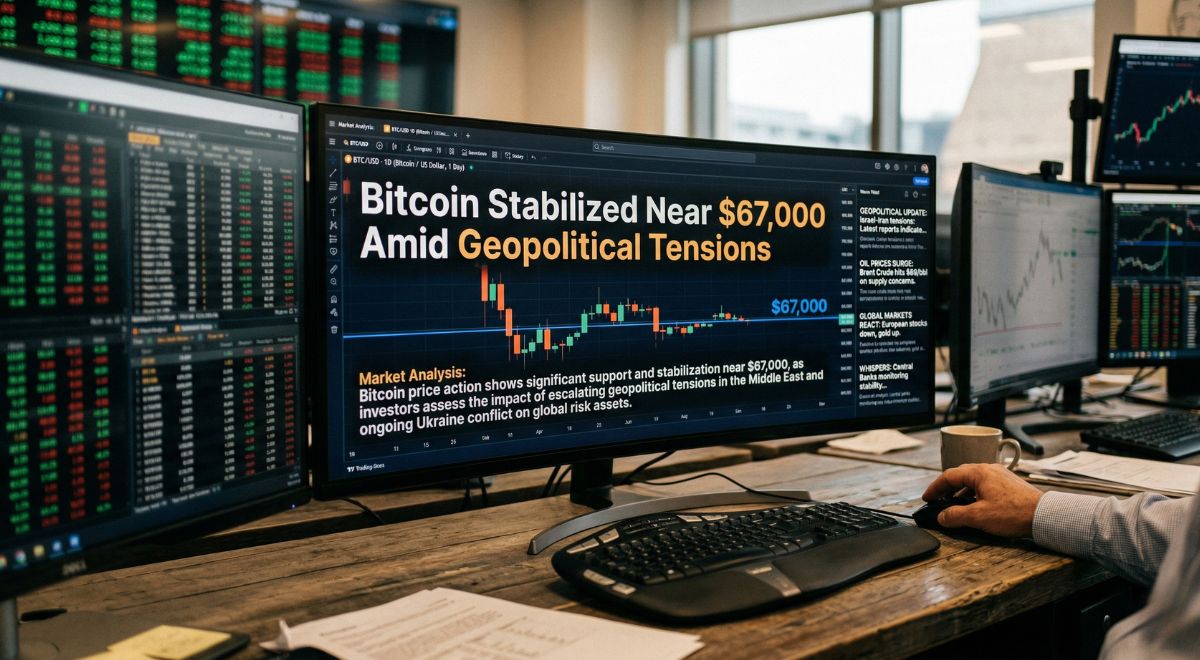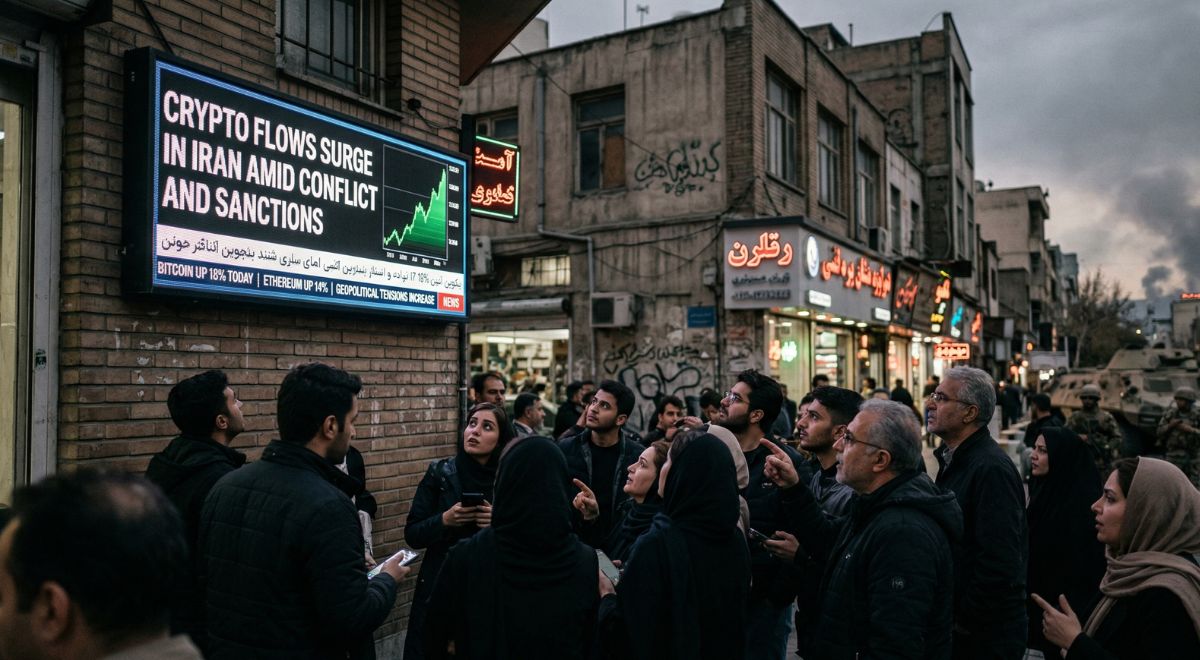

Rising geopolitical tensions in the Middle East are once again reshaping global financial flows, pushing investors toward safer and more predictable assets. Among the biggest beneficiaries of this shift is dollar-denominated debt, which has seen renewed demand as uncertainty clouds regional and global markets.
Table of Contents
ToggleFlight to Safety in Uncertain Times
Periods of conflict typically trigger a “flight to safety,” where investors move capital away from riskier assets and into instruments perceived as stable. U.S. dollar-denominated bonds—especially those backed by governments or high-quality corporations—fit this profile. Their appeal lies in both the relative strength of the U.S. economy and the dollar’s role as the world’s primary reserve currency.
As tensions escalate across parts of the Middle East, concerns about oil supply disruptions, trade instability, and broader economic fallout have intensified. This has led institutional investors, sovereign wealth funds, and asset managers to rebalance portfolios in favor of dollar-based securities.
Currency Stability and Risk Mitigation
One of the main reasons dollar-denominated debt becomes more attractive during geopolitical crises is currency stability. Many emerging market currencies, particularly those in conflict-prone or economically sensitive regions, tend to depreciate during periods of uncertainty. By contrast, the U.S. dollar often strengthens, offering a hedge against volatility.
For governments and corporations in the Middle East, issuing debt in dollars can also provide access to a broader investor base. While this exposes issuers to exchange rate risk, the trade-off is often worthwhile, especially when local currency markets are under pressure.
Impact on Regional Borrowers
The surge in demand for dollar-denominated debt can be a double-edged sword for Middle Eastern economies. On one hand, it opens up financing opportunities at potentially lower borrowing costs due to high global demand. On the other hand, it increases exposure to dollar fluctuations and global interest rate movements.
Countries with strong fiscal positions and stable credit ratings—such as those in the Gulf Cooperation Council (GCC)—are better positioned to benefit from this trend. They can issue bonds at competitive rates while maintaining investor confidence. However, more vulnerable economies may face higher risk premiums despite the overall demand for dollar assets.
Oil Prices and Liquidity Dynamics
Oil plays a central role in the region’s economic stability, and conflict often leads to price volatility. Rising oil prices can improve fiscal balances for exporting nations, indirectly supporting their debt profiles. This can further enhance the attractiveness of their dollar-denominated bonds.
At the same time, higher oil revenues can inject liquidity into regional markets, some of which is reinvested into global financial instruments—again boosting demand for dollar-based assets.
Global Ripple Effects
The increased preference for dollar-denominated debt is not limited to the Middle East. It has broader implications for global capital markets. As funds flow into U.S. Treasuries and other dollar assets, borrowing costs in other currencies may rise, tightening financial conditions worldwide.
Emerging markets outside the region may also feel the impact, as capital outflows put pressure on their currencies and debt markets. This dynamic highlights the interconnected nature of modern finance, where regional conflicts can quickly influence global investment patterns.