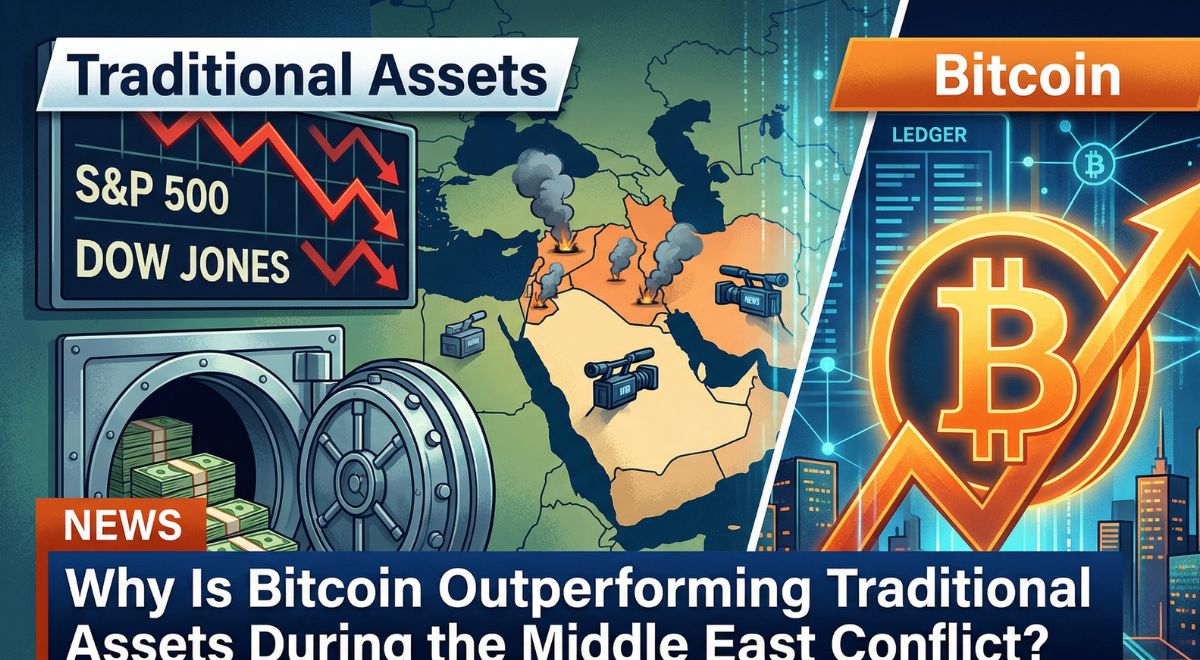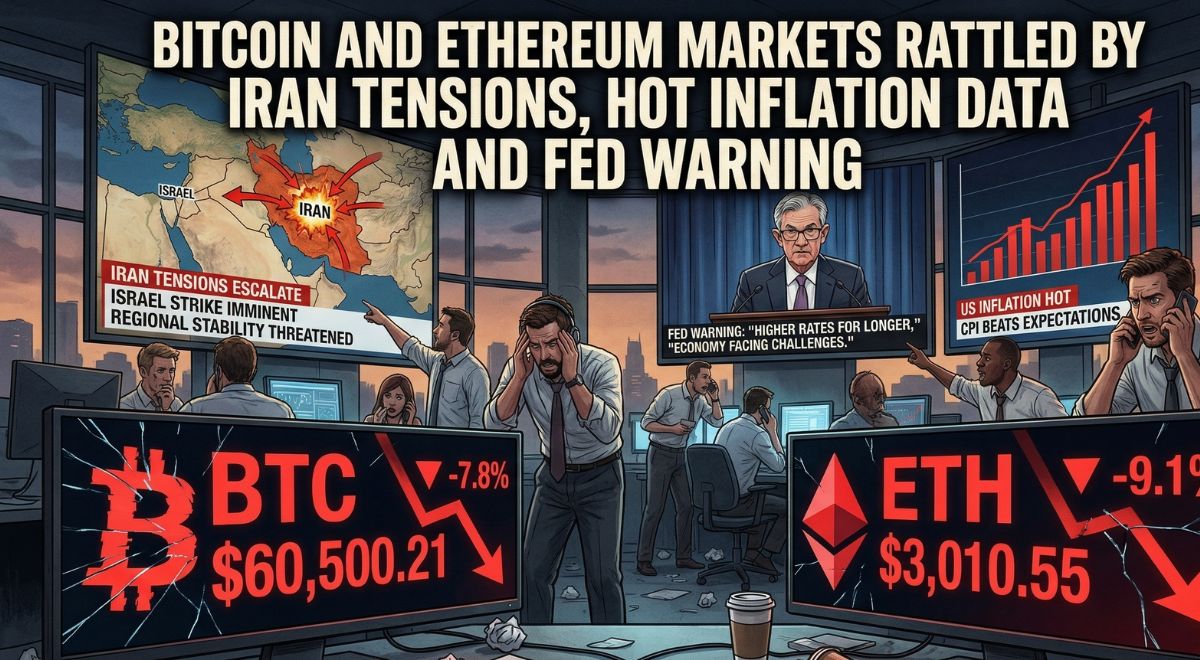
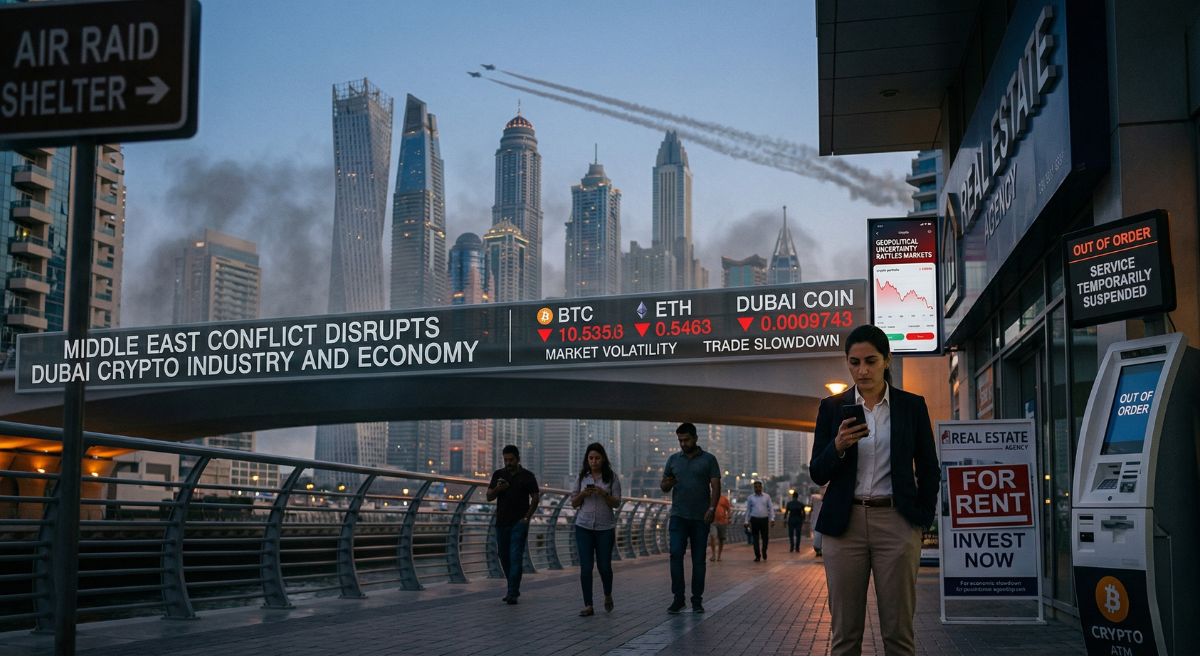
Dubai has long positioned itself as a global hub for innovation, finance, and digital assets. With its progressive regulations and business-friendly environment, the emirate attracted major cryptocurrency exchanges, blockchain startups, and international investors. However, the recent escalation of tensions across the Middle East is beginning to cast a shadow over Dubai’s rapidly growing crypto industry and broader economy.
Table of Contents
ToggleRising Regional Tensions Create Market Uncertainty
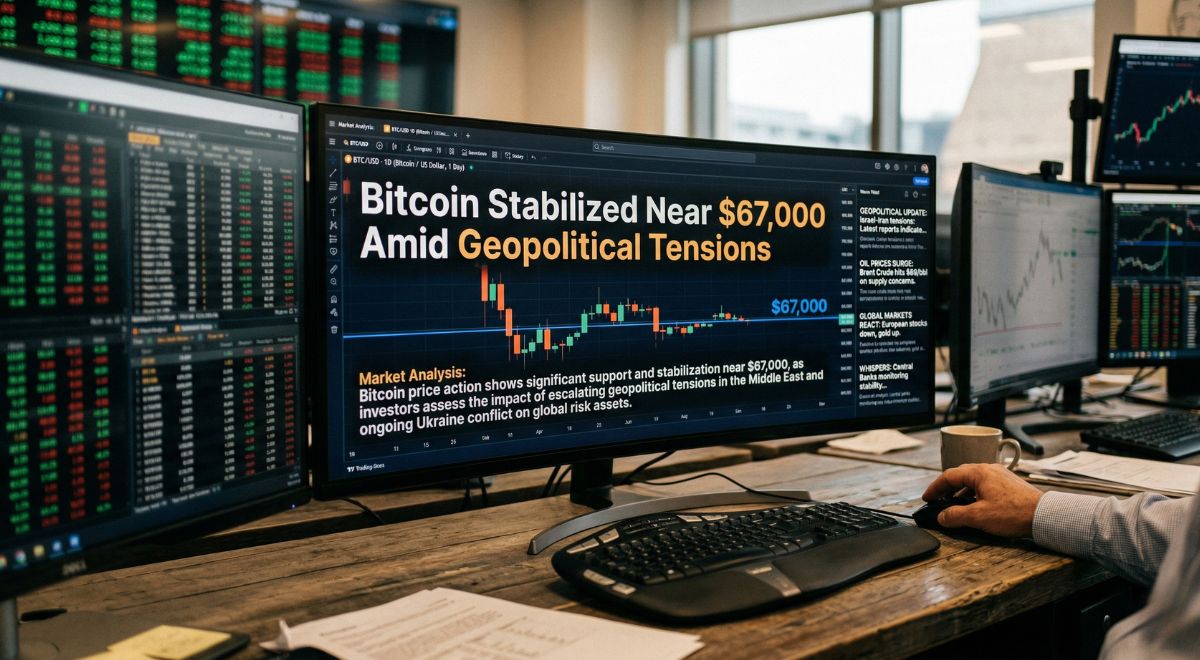
Ongoing geopolitical instability in the Middle East has triggered uncertainty across global financial markets, and Dubai is no exception. Investors tend to move cautiously during times of conflict, often pulling capital from emerging markets and high-risk assets like cryptocurrencies. As a result, trading volumes in Dubai-based crypto platforms have shown signs of volatility, with sudden spikes followed by sharp declines.
The psychological impact of conflict cannot be underestimated. Even though Dubai remains physically secure, its proximity to regional hotspots makes investors wary. This has led to delayed investments, postponed blockchain projects, and reduced venture capital activity in the crypto space.
Impact on Dubai’s Crypto Ecosystem
Dubai has made significant strides in building a regulated crypto ecosystem, largely under the oversight of entities like the Virtual Assets Regulatory Authority (VARA). The city attracted major players such as Binance and Crypto.com, which established regional operations to capitalize on favorable regulations.
However, the current conflict has created operational and strategic challenges:
- Reduced Liquidity: Traders are becoming more risk-averse, leading to lower liquidity in regional markets.
- Delayed Expansion Plans: Several crypto firms are reconsidering their Middle East expansion strategies.
- Regulatory Pressure: Governments may introduce stricter financial monitoring to prevent illicit flows during conflict periods.
Despite these challenges, Dubai’s regulatory clarity still offers a competitive advantage compared to other regions.
Broader Economic Consequences
The disruption extends beyond the crypto sector into Dubai’s wider economy. As a city heavily reliant on trade, tourism, and foreign investment, any regional instability can have ripple effects.
- Tourism Slowdown: Travelers may delay visits due to safety concerns, affecting hospitality and retail sectors.
- Foreign Investment Decline: Investors often adopt a wait-and-see approach during geopolitical crises.
- Trade and Logistics: Supply chains passing through the region could face disruptions, impacting business operations.
Dubai’s economy is resilient, but prolonged conflict could test its diversification strategy.
Crypto as Both Risk and Opportunity
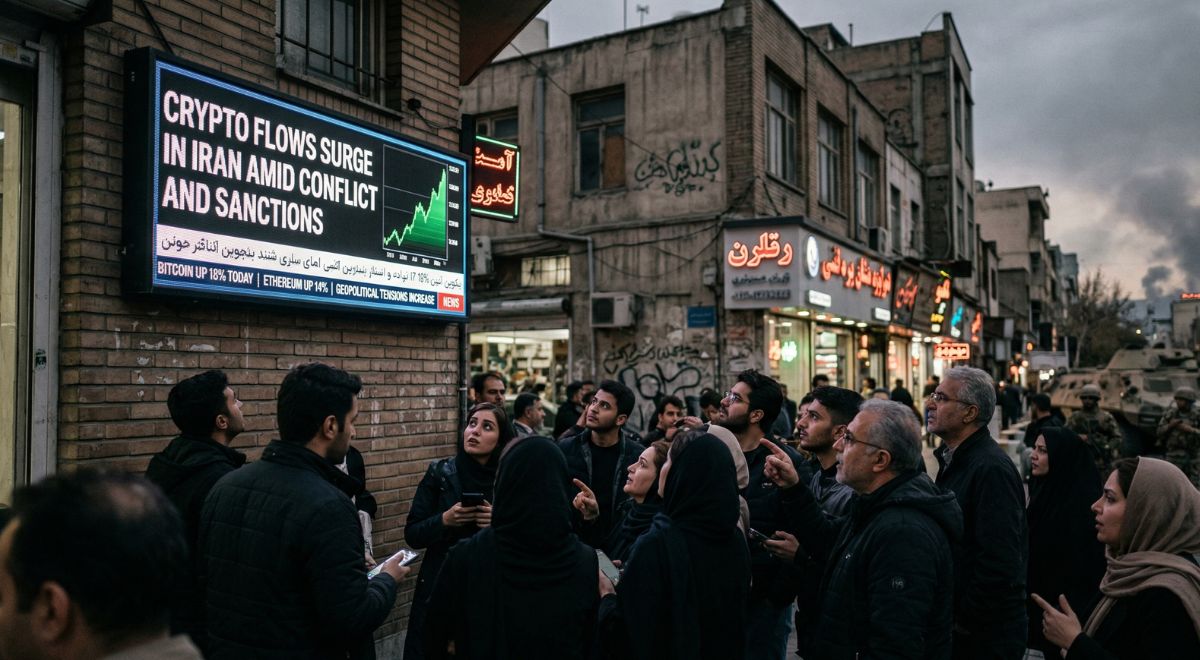
Interestingly, while conflict can hurt crypto markets in the short term, it can also increase long-term adoption. In regions experiencing financial instability, cryptocurrencies are often seen as an alternative store of value and a tool for cross-border transactions.
Dubai could still benefit if it positions itself as a stable, regulated gateway for crypto activity in uncertain times. The emirate’s infrastructure, combined with strong government backing, may help it weather the storm better than less-developed markets.