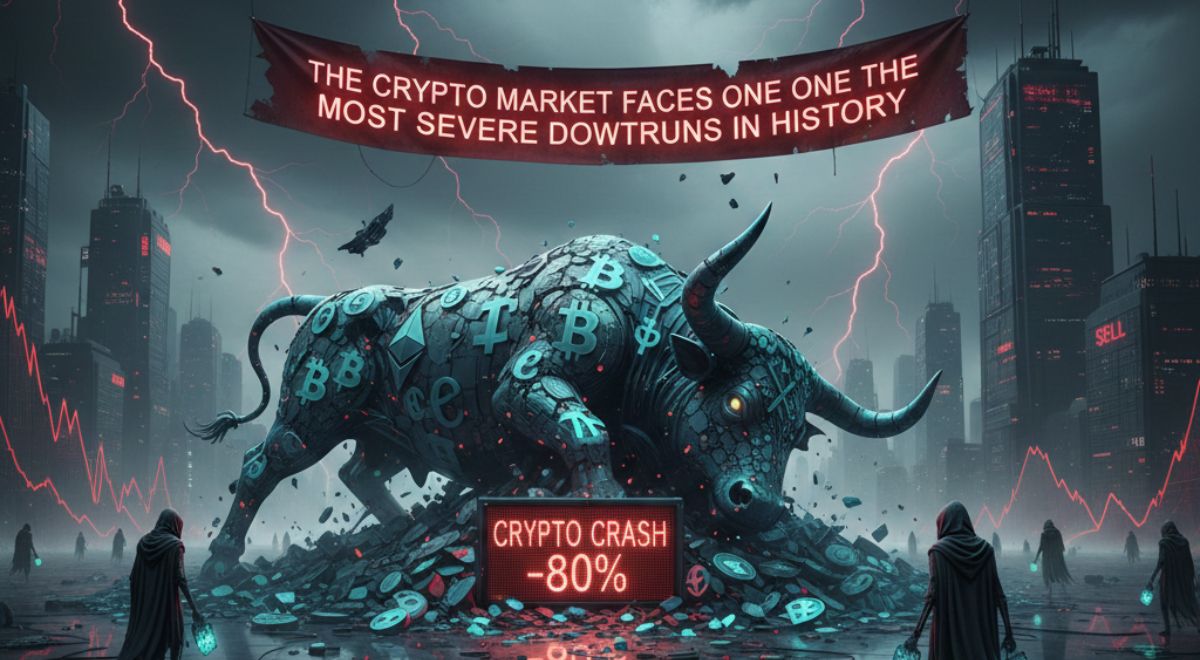
The global cryptocurrency market is undergoing one of the most severe downturns in its history, as digital assets face intense selling pressure amid a challenging macroeconomic environment, regulatory uncertainty, and declining investor confidence.
Major cryptocurrencies, including Bitcoin and Ethereum, have experienced sharp price declines, erasing trillions of dollars in market value from their previous peaks. Altcoins have been hit even harder, with many projects losing a significant portion of their valuations as liquidity dries up across the market.
Analysts point to a combination of factors driving the downturn. Rising interest rates and persistent inflation have pushed investors away from high-risk assets, while stricter regulations in key markets have added further pressure on crypto exchanges and blockchain-based projects. High-profile collapses, bankruptcies, and security breaches within the industry have also shaken trust among retail and institutional investors.
The downturn has led to widespread consequences across the crypto ecosystem. Mining firms are struggling with reduced profitability, startups are cutting costs and laying off staff, and venture capital funding for blockchain projects has slowed considerably. Several smaller platforms have been forced to halt operations or seek restructuring as market conditions worsen.
Despite the current turmoil, some industry leaders argue that the downturn could serve as a necessary reset. Historically, crypto bear markets have eliminated weaker projects while allowing stronger, more innovative platforms to mature and build sustainable business models. Developers continue to work on scalability, security, and real-world use cases, laying the groundwork for potential long-term growth.
While the short-term outlook remains uncertain, market participants are closely watching global economic trends and regulatory developments for signs of stability. Whether this downturn marks a prolonged winter or the foundation for the next phase of crypto adoption remains to be seen, but its impact is already shaping the future of the digital asset industry.