Table of Contents
ToggleIntroduction
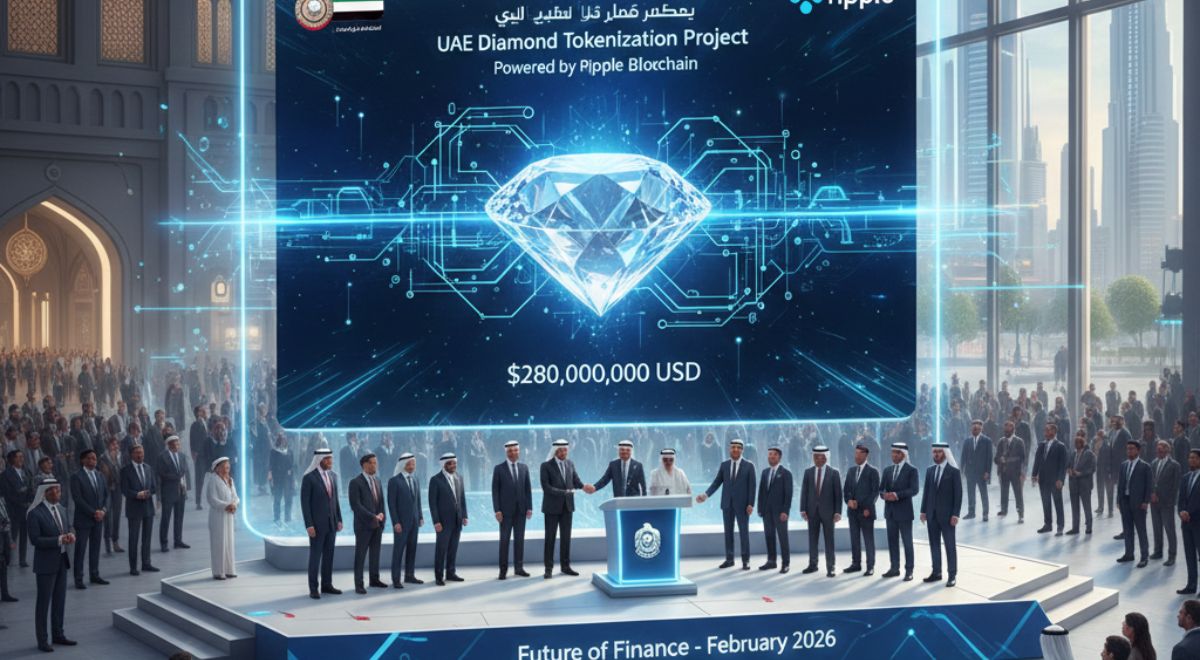
The United Arab Emirates (UAE) has taken a major step toward digitizing traditional commodities by launching a $280 million diamond tokenization initiative on Ripple’s XRP Ledger (XRPL). The project aims to transform physical diamonds into blockchain-based digital assets, potentially reshaping the global diamond trade and accelerating the adoption of real-world asset (RWA) tokenization in the Middle East.
Key Players Behind the Project
The initiative is led by Dubai-based Billiton Diamond in partnership with tokenization firm Ctrl Alt, with Ripple providing enterprise-grade custody technology and blockchain infrastructure. Together, the partners have already tokenized more than AED 1 billion (approximately $280 million) worth of certified polished diamonds stored in the UAE.
The digital tokens representing these diamonds are minted on the XRP Ledger, chosen for its speed, scalability, and low transaction costs, while Ripple’s custody system secures the underlying physical assets.
How Diamond Tokenization Works
Tokenization converts physical diamonds into digital representations recorded on a blockchain. Each token is linked to certified data, including origin, grading, and ownership history, enabling transparent verification before transactions.
The system is designed to support trading, transferring, and potential listing of tokenized diamonds on primary and secondary markets, subject to regulatory approval by Dubai’s Virtual Assets Regulatory Authority (VARA).
Why This Project Matters
1) Transforming an Illiquid Asset
Diamonds have traditionally been difficult to trade due to limited transparency and liquidity. Tokenization aims to make them more accessible and investable by enabling fractional ownership and faster transactions.
2) Boosting Transparency and Trust
By embedding certification and inventory data on-chain, the project enhances traceability and reduces risks associated with fraud or unclear provenance in the diamond market.
3) Strengthening UAE’s Digital Asset Strategy
The initiative aligns with Dubai’s broader ambition to become a global hub for virtual assets and blockchain innovation.
4) Expanding Real-World Asset Tokenization
The project is considered one of the largest real-world asset tokenization efforts in the Middle East, highlighting growing institutional interest in bringing physical assets onto blockchain platforms.
Ripple’s Growing Role in the Middle East
Ripple’s involvement reflects its expanding footprint in the region, where its blockchain technology is increasingly used for tokenization and digital asset infrastructure. The company’s custody technology demonstrates that high-value physical assets can be securely managed on-chain at an institutional scale.
Future Outlook
The UAE’s diamond tokenization project could serve as a blueprint for digitizing other high-value commodities such as gold, real estate, and art. If successful, it may accelerate global adoption of blockchain-based asset trading, improve market liquidity, and redefine how physical assets are bought and sold in the digital economy.