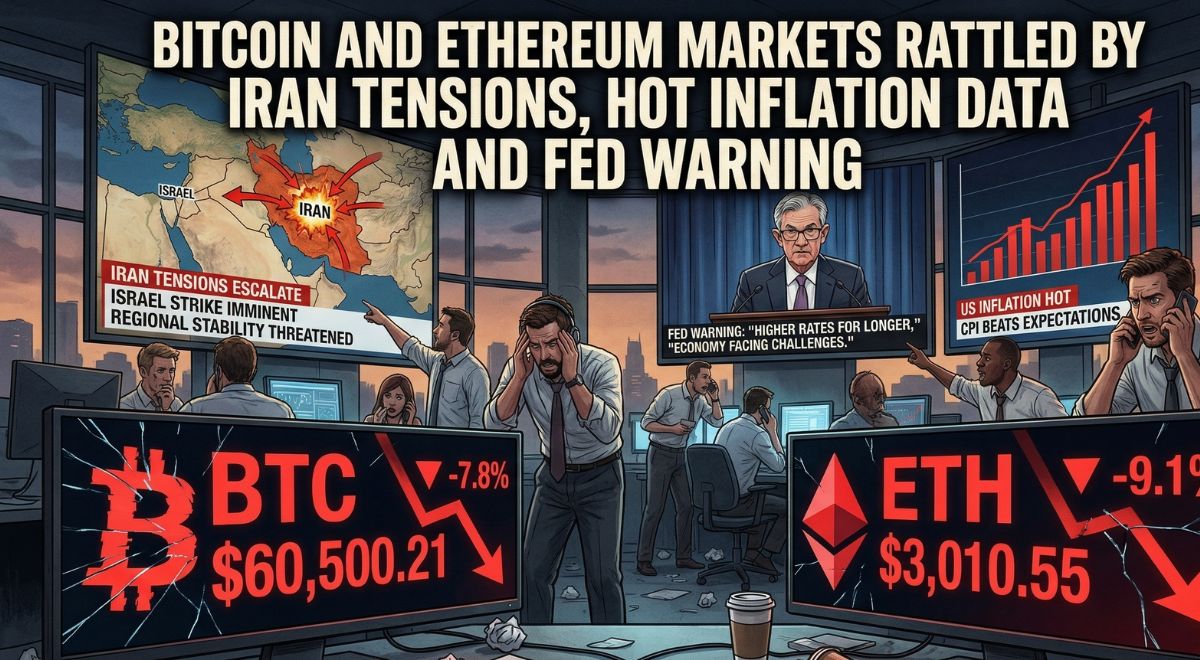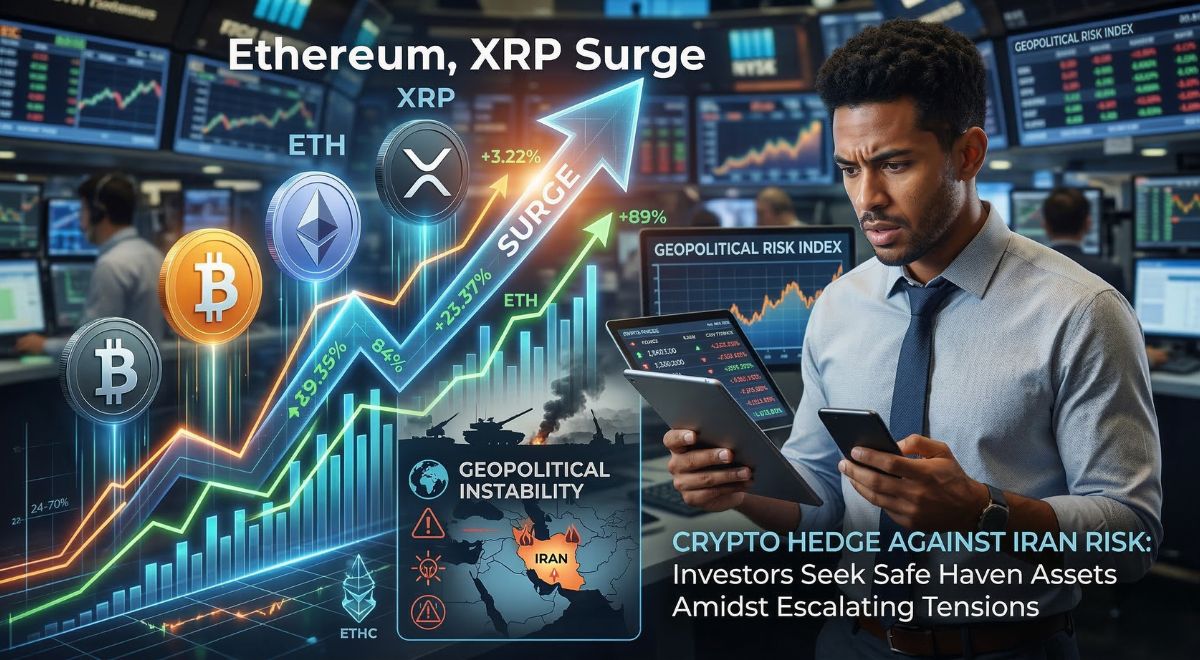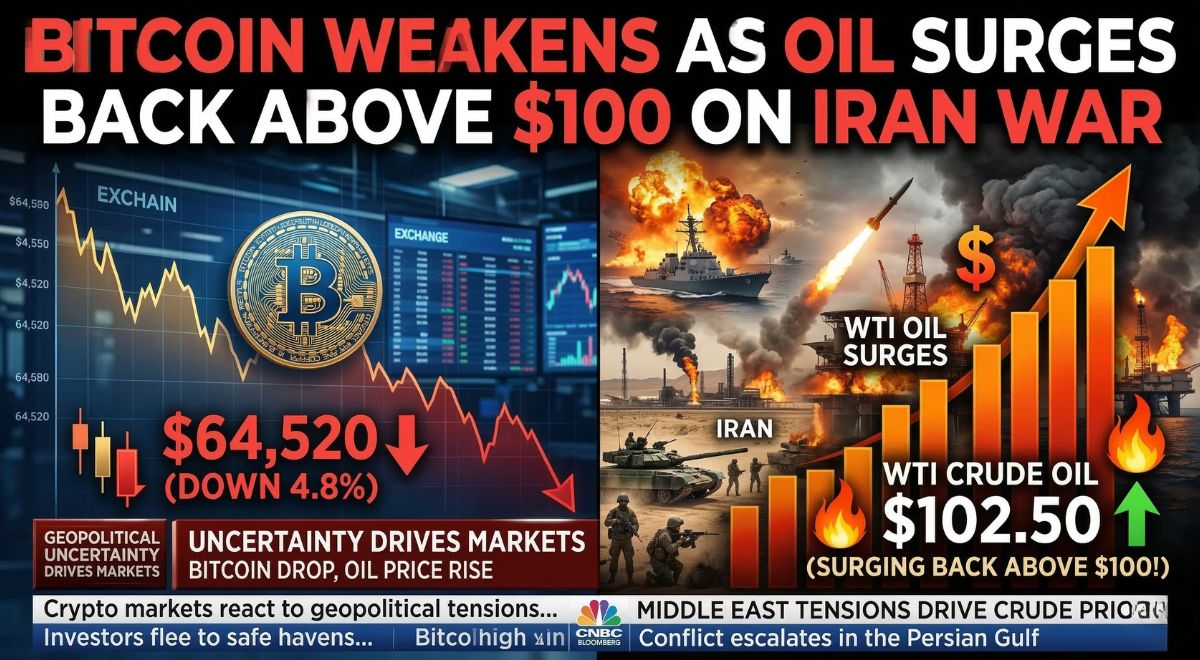

As geopolitical tensions rise in the Middle East, global financial markets have reacted with increased volatility. Interestingly, Bitcoin has shown resilience—and in many cases, outperformance—compared to traditional assets like stocks and commodities. This shift is drawing attention from investors seeking stability and alternative opportunities during uncertain times.
Table of Contents
ToggleFlight to Alternative Assets
During periods of conflict, investors typically move their capital into “safe-haven” assets. Traditionally, this includes gold, government bonds, and the U.S. dollar. However, Bitcoin is increasingly being viewed as a digital alternative to these assets.
Unlike traditional financial instruments, Bitcoin operates on a decentralized network, making it less vulnerable to government control, sanctions, or regional instability. This independence becomes especially attractive during geopolitical crises.
Limited Supply and Inflation Hedge
One of Bitcoin’s key advantages is its fixed supply of 21 million coins. This scarcity makes it resistant to inflation, unlike fiat currencies that can be printed in response to economic pressures.
In times of war, governments often increase spending, which can lead to currency devaluation. Investors turn to Bitcoin as a hedge against this risk, contributing to its stronger performance compared to traditional assets.
Global Accessibility and Liquidity
Bitcoin is accessible 24/7 across the globe, unlike stock markets that operate within specific hours and jurisdictions. This continuous trading environment allows investors to react instantly to breaking geopolitical developments.
Additionally, Bitcoin’s high liquidity enables quick entry and exit, making it an attractive option for traders navigating uncertain conditions.
Weakness in Traditional Markets
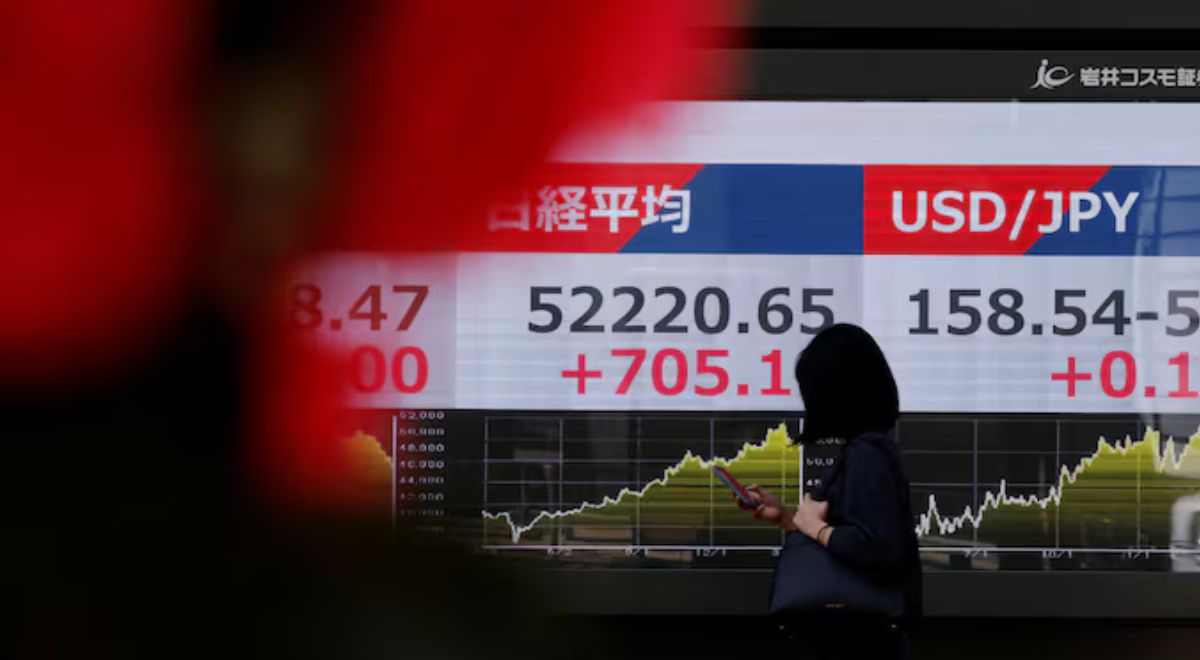
Traditional markets often struggle during geopolitical conflicts. Stock markets face pressure due to fears of economic slowdown, disrupted supply chains, and declining corporate earnings.
At the same time, commodities like oil may experience sharp price swings, creating instability rather than consistent returns. This volatility can push investors toward more predictable or independent assets like Bitcoin.
Growing Institutional Adoption
Another major factor behind Bitcoin’s outperformance is increasing institutional interest. Large financial institutions and funds have started to include Bitcoin in their portfolios as a diversification strategy.
This growing acceptance adds credibility and stability to the cryptocurrency market, helping it perform better even during global uncertainty.
Changing Perception of Bitcoin
Bitcoin is no longer seen purely as a speculative asset. It is gradually being recognized as “digital gold”—a store of value that can perform well during economic and political stress.
This shift in perception has played a significant role in its recent strength, particularly during the ongoing Middle East conflict.
Risks and Volatility Remain
Despite its strong performance, Bitcoin is still a volatile asset. Prices can change rapidly based on news, sentiment, and market speculation.
Any sudden escalation or resolution of the conflict could impact Bitcoin’s price just as quickly as it boosted it.