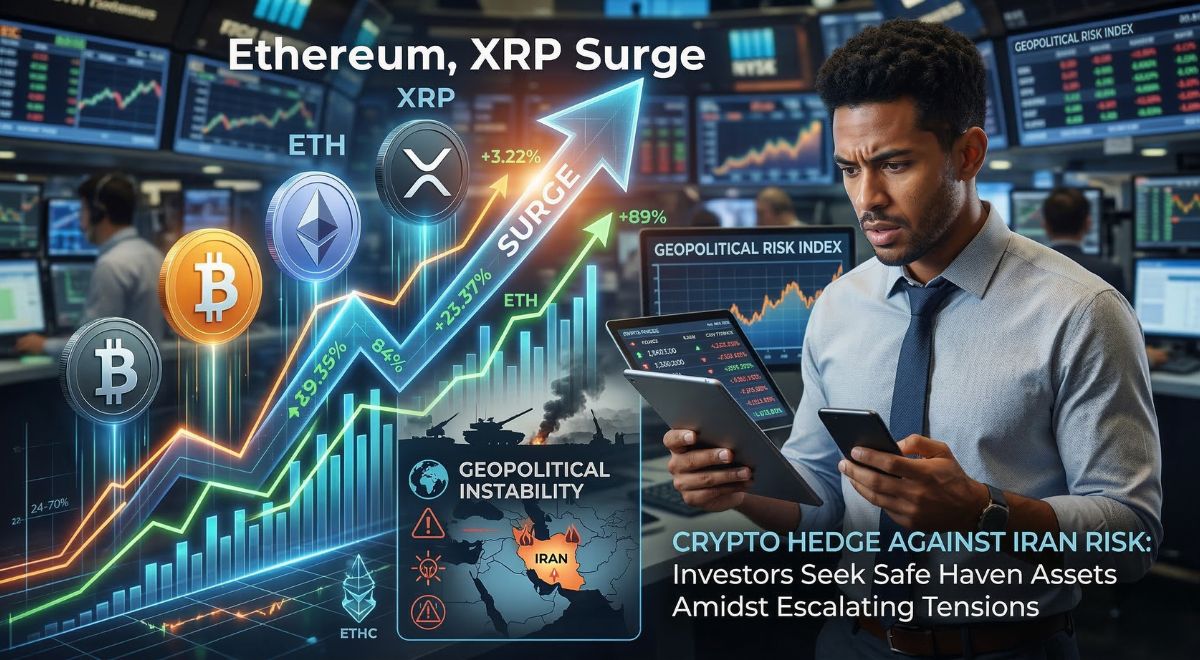
Image Credit : newsbtc
The global cryptocurrency landscape has reached a significant milestone as the XRP ecosystem, powered by Ripple, officially enters the regulated financial market of the United Arab Emirates. This historic approval marks a major step toward mainstream adoption of blockchain-based financial services in one of the world’s fastest-growing fintech hubs.
Table of Contents
ToggleA Landmark Regulatory Breakthrough
Ripple’s expansion into the UAE follows a full regulatory license granted by the Dubai Financial Services Authority (DFSA) within the Dubai International Financial Centre (DIFC). This makes Ripple the first blockchain-enabled payments provider to receive such authorization in the region.
Unlike informal partnerships or pilot programs, this approval represents a formal regulatory green light, allowing Ripple to operate legally within a highly structured financial environment. It signals growing trust from regulators toward blockchain infrastructure and digital assets like XRP.
Strategic Importance of the UAE
The UAE has rapidly positioned itself as a global leader in digital finance, with strong regulatory frameworks supporting crypto innovation. The DIFC serves as a gateway connecting the Middle East, Africa, and South Asia, making it an ideal base for Ripple’s regional operations.
By securing approval in Dubai, Ripple gains access to:
- A multi-billion-dollar cross-border payments market
- A rapidly growing fintech ecosystem
- Progressive crypto regulations encouraging innovation
This move strengthens the UAE’s ambition to become a global hub for blockchain and digital assets.
Real-World Adoption Already Underway
The approval is not just symbolic—it is already translating into real-world usage. Financial institutions such as Zand Bank and Mamo have begun using Ripple’s blockchain-powered payment solutions in the UAE.
These solutions enable:
- Faster cross-border transactions
- Lower transaction costs
- Greater transparency compared to traditional banking systems
Additionally, Ripple’s infrastructure is being integrated into broader initiatives, including real estate tokenization projects in Dubai, where blockchain could be used to digitize property ownership records.
Expanding the XRP Ecosystem
The XRP ecosystem is also benefiting from wider regulatory acceptance. Ripple’s stablecoin and payment technologies are increasingly being recognized within regulated frameworks in the region, further embedding XRP into the financial system.
Globally, Ripple has been pursuing regulatory clarity, including:
- Progress toward operating as a regulated financial institution in the U.S.
- Expansion of institutional payment and custody services
- Increased partnerships with banks and fintech firms
This broader strategy positions XRP as a bridge between traditional finance and blockchain technology.
Impact on the Crypto Industry
Ripple’s approval in the UAE represents more than just regional growth—it signals a shift in how regulators view cryptocurrencies.
Key implications include:
- Institutional Adoption: Regulated environments attract banks and enterprises
- Market Confidence: Legal clarity reduces risk for investors
- Global Expansion: Sets a precedent for other jurisdictions
As governments worldwide explore digital asset regulations, the UAE’s approach may serve as a model for balancing innovation with compliance.