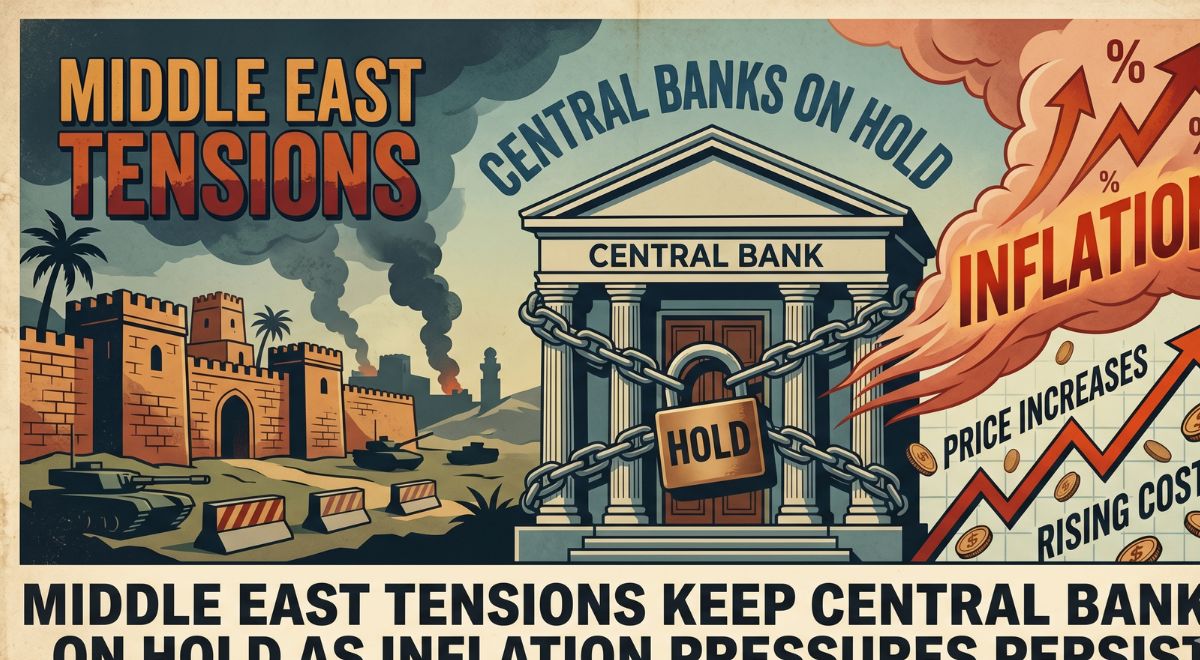
Global central banks are maintaining a cautious stance on interest rate cuts as escalating geopolitical tensions in the Middle East continue to fuel inflationary pressures, particularly through elevated energy prices.
At the upcoming April 2026 policy meeting, the Federal Reserve is widely expected to keep rates unchanged. Market sentiment indicates a low probability of a significant rate cut exceeding 50 basis points, with expectations declining by roughly 15% in recent days. With limited time remaining before the decision, traders are pricing in stability rather than aggressive monetary easing.
Market activity on April 30 reflects this subdued outlook, with little indication of a sharp policy pivot. Attention is now shifting toward the central bank’s forward guidance as investors look for clues on future moves.
Looking ahead, July 2026 expectations suggest even stronger confidence in a steady rate environment. Current market pricing shows an 86% probability of no rate change, up from 80% just a week earlier. This shift has been supported by a notable increase in trading activity, highlighting growing institutional conviction that rates will remain unchanged in the near term.
In Europe, the European Central Bank is facing similar challenges. The likelihood of a 50 basis point cut has also diminished as inflation remains stubbornly high. Energy market volatility, driven by ongoing regional instability, continues to complicate efforts to ease monetary policy across major economies.
For traders and investors, the current environment signals limited prospects for near-term rate relief. While some speculative positions are emerging around unlikely rate cuts, these remain high-risk, high-reward strategies in an otherwise stable outlook.
All eyes are now on the Federal Open Market Committee meeting April 2026 and the subsequent press conference by Jerome Powell. His remarks are expected to play a crucial role in shaping market expectations for the remainder of the year, particularly as policymakers navigate the dual challenge of inflation control and geopolitical uncertainty.