The United Arab Emirates has reportedly carried out covert airstrikes on Iran’s Lavan Island refinery, marking a dramatic escalation in Gulf tensions and raising new concerns for the region’s growing cryptocurrency industry.
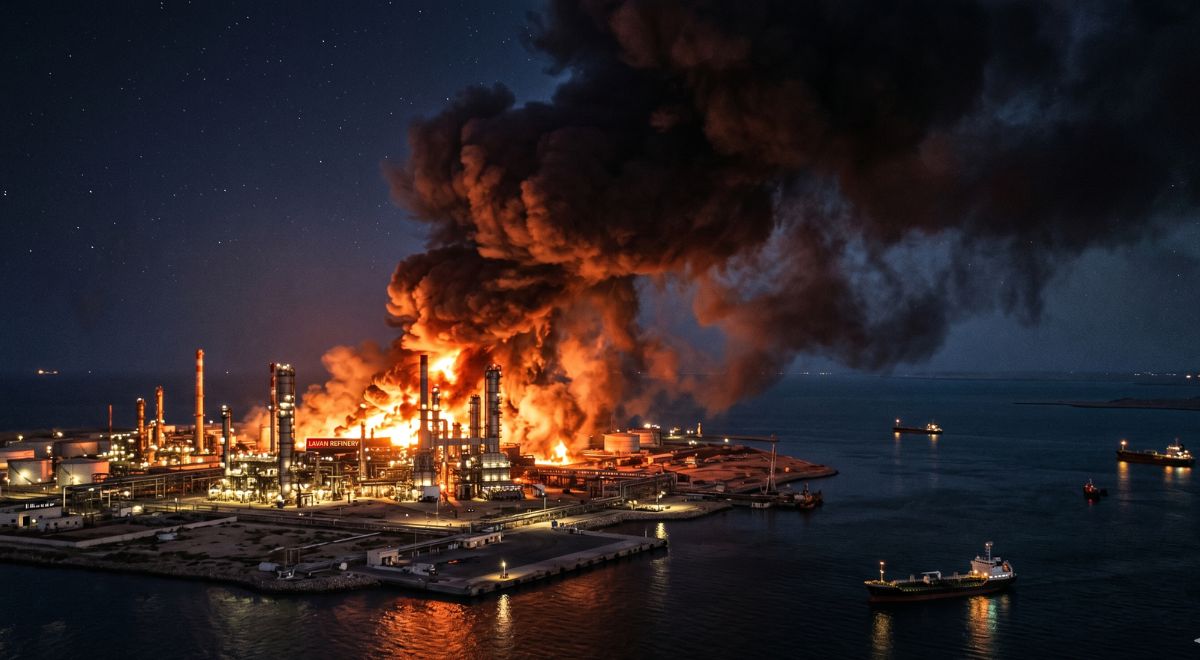
According to multiple regional reports, the strikes targeted one of Iran’s key condensate-processing hubs in the Persian Gulf, a facility capable of handling nearly 200,000 barrels per day destined largely for Asian markets. While the Emirati government has not officially acknowledged direct involvement, officials referred broadly to the country’s “right to respond to hostile acts” following the attacks.
The operation reportedly took place shortly before a temporary ceasefire came into effect. Fires triggered by the strikes severely damaged processing infrastructure on Lavan Island, with analysts warning that a large portion of the refinery’s capacity could remain offline for several months.
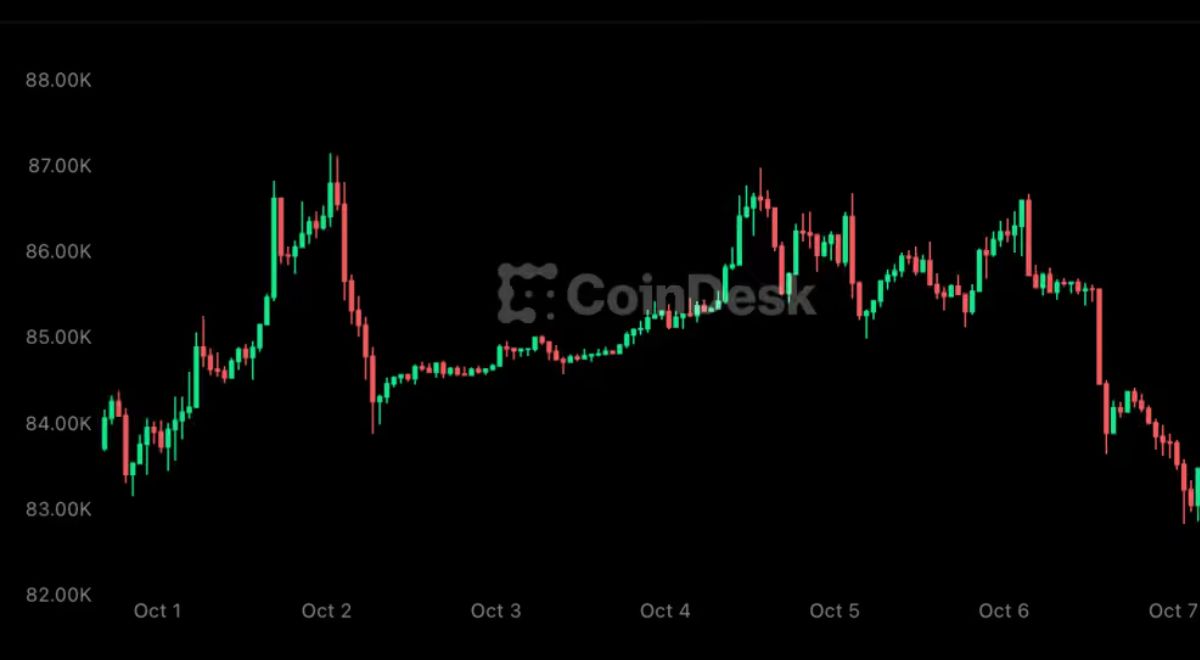
Global energy markets reacted immediately. Brent crude prices climbed roughly 5 percent to $82 per barrel amid fears of wider disruption in Gulf supply chains. Cryptocurrency markets also showed signs of nervousness, with Bitcoin falling 2.3 percent to around $94,200 as investors weighed the geopolitical risks tied to one of the world’s most energy-rich regions.
Situated in the Persian Gulf, Lavan Island serves as a strategic export terminal for Iranian condensates and light hydrocarbons shipped to refineries across Asia. Reports suggest the strike was intended as a final show of force before diplomatic efforts temporarily eased hostilities.
Iran’s retaliation was swift and aggressive. Regional media outlets reported that Tehran launched more than 2,800 missile and drone attacks aimed at Emirati-linked targets, signaling a major shift in the UAE’s role in the conflict. Once viewed as a Gulf state balancing diplomacy and regional security, the Emirates is now increasingly being seen as a direct participant in military operations against Iran.
The escalating confrontation is also creating uncertainty for the UAE’s rapidly expanding crypto sector. Dubai and Abu Dhabi have positioned themselves as global hubs for blockchain and digital asset companies, partly because of access to relatively cheap energy generated from the Gulf’s vast oil and gas resources.
Industry observers warn that any sustained attacks on Emirati energy infrastructure could disrupt electricity supplies, increase operational costs for Bitcoin mining facilities, and weaken investor confidence in the region’s digital asset ecosystem. Analysts note that rising energy prices directly impact mining profitability and could reduce overall network activity if operators are forced to scale back operations.
The broader implications extend beyond mining. The UAE’s ambitions to become a global Web3 and crypto-finance center — supported by Dubai’s VARA regulations and Abu Dhabi’s ADGM licensing framework — now face new geopolitical pressures. Increased insurance costs, infrastructure security concerns, and fears over regional instability may complicate expansion plans for crypto exchanges, investment firms, and mining companies operating in the Gulf.
With tensions between Iran and Gulf states remaining fragile despite the ceasefire, markets are expected to remain highly sensitive to any further military or energy-related developments in the region.