Image Credit : Pixabay
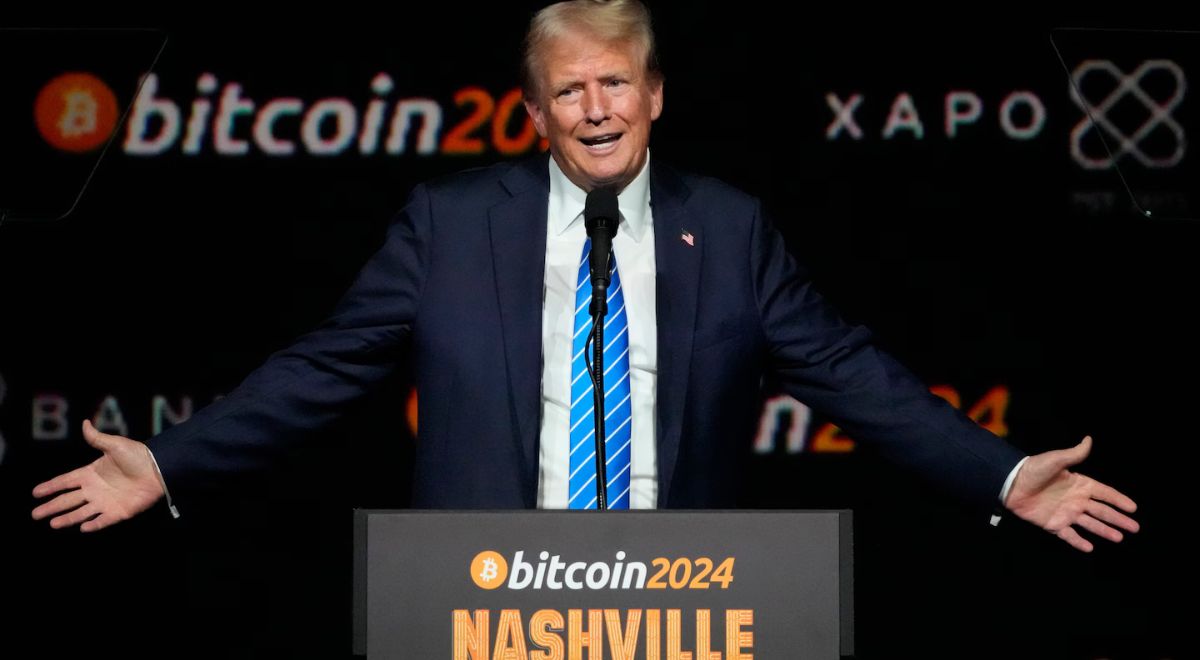
Global financial markets surged after U.S. President Donald Trump announced that Washington and Tehran had reached a peace agreement, with both sides expected to formally sign the deal on June 19.
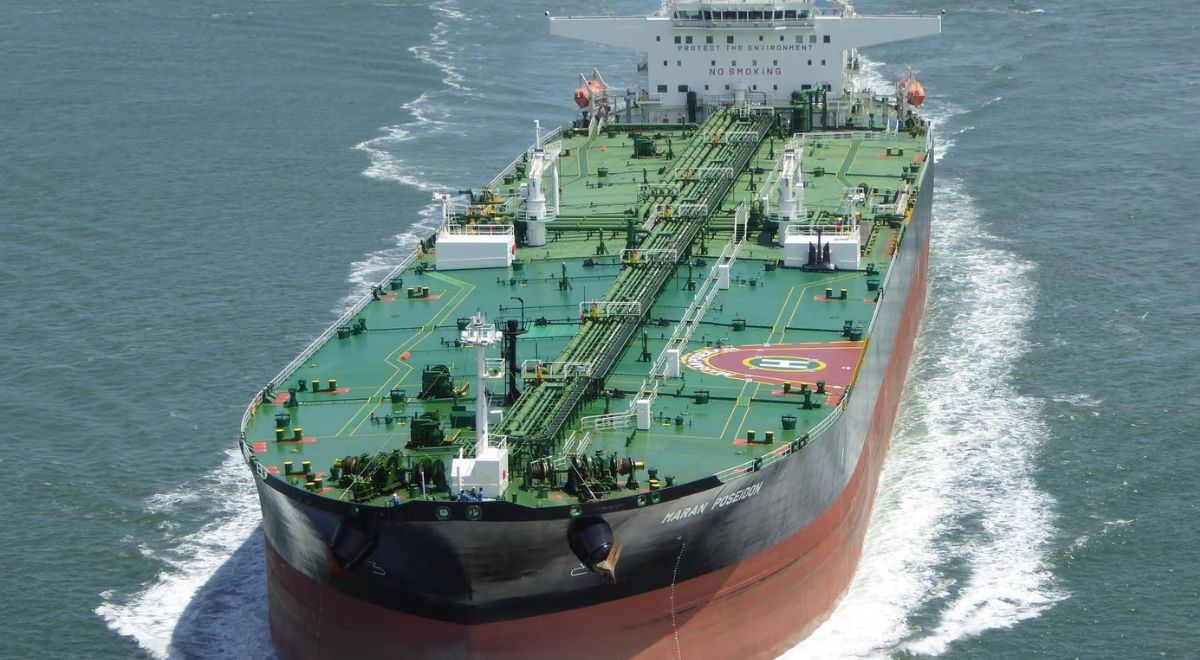
The agreement reportedly includes the lifting of the U.S. naval blockade and the reopening of the Strait of Hormuz, a critical route for global energy shipments. The development triggered a sharp decline in oil prices, with crude falling 5% to around $80 per barrel. Prices have now retreated roughly 33% from their early-March peak of $120.
Investors welcomed the breakthrough, sending equities higher across most major markets. Stock indexes advanced worldwide, with the exception of Tel Aviv, while U.S. futures pointed to a strong opening on Wall Street. The Invesco QQQ ETF, which tracks the Nasdaq 100, climbed 2% in pre-market trading.
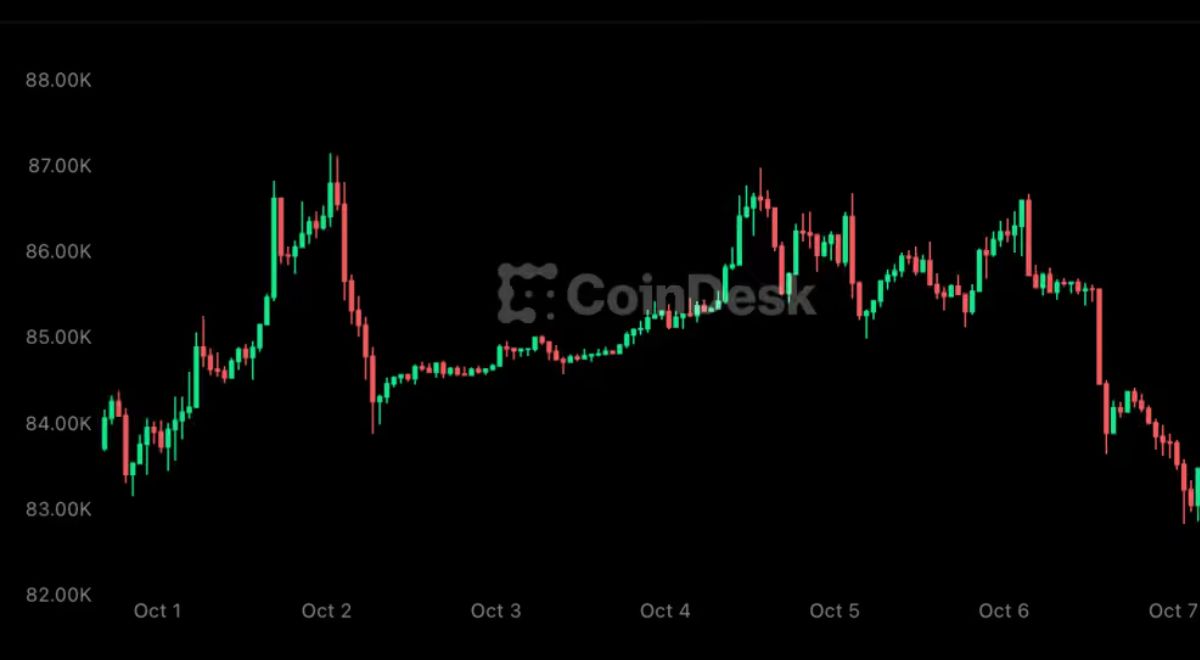
Risk assets and traditional safe havens both attracted buyers. Bitcoin briefly moved above $66,000 and was recently trading 2.7% higher over the past 24 hours, with most of the gains occurring shortly after Trump’s announcement on Sunday. Gold also extended its rally, rising nearly 3% to trade above $4,330 per ounce.
Under the current arrangement, the ceasefire will remain in effect for another 60 days as negotiations continue toward a permanent settlement. However, investors remain cautious given the volatile nature of recent talks, which have been marked by repeated ceasefires, setbacks, and renewed diplomatic efforts. Market participants acknowledge that securing a lasting resolution may prove challenging.
Attention is also turning to monetary policy. On June 17, Federal Reserve Chair Kevin Warsh will lead his first Federal Open Market Committee (FOMC) meeting. Financial markets currently assign a 97% probability that the Fed will leave its benchmark interest rate unchanged within the 3.50%–3.75% range.
The sharp drop in oil prices has eased concerns about inflationary pressures, leading traders to abandon expectations of any interest-rate increases this year. Market forecasts now suggest the next potential 25-basis-point hike may not occur until January 2027.
Still, analysts warn that the outlook could shift quickly if geopolitical tensions in the Middle East re-emerge or negotiations lose momentum, underscoring the importance of closely monitoring developments in the region.