In recent years, Bitcoin has evolved from a niche digital experiment into a global financial phenomenon. With growing distrust in traditional systems, rising inflation in fiat currencies, and the increasing digitization of economies, a bold question has emerged: Could Bitcoin become the world’s reserve currency?
The idea is both fascinating and controversial—filled with promise, yet shadowed by serious challenges.
Table of Contents
ToggleWhat Is a Reserve Currency?
A reserve currency is a foreign currency held by central banks and institutions as part of their international reserves. Today, the dominant reserve currency is the US Dollar, backed by the economic strength and political influence of the United States. Other currencies like the euro and yen also play supporting roles.
For Bitcoin to replace or rival the dollar, it would need to offer stability, trust, and global acceptance at a massive scale.
The Case for Bitcoin: A New Financial Paradigm
1. Decentralization and Independence
Unlike traditional currencies controlled by governments or central banks, Bitcoin operates on a decentralized network. This means no single authority can manipulate its supply or policy—a major advantage in an era of political and economic uncertainty.
2. Limited Supply
Bitcoin has a fixed supply of 21 million coins. This scarcity contrasts sharply with fiat currencies, which can be printed in unlimited amounts, often leading to inflation. For countries facing currency devaluation, Bitcoin can appear as a “hard money” alternative.
3. Borderless and Digital
Bitcoin is inherently global. It can be transferred across borders instantly without intermediaries, making it attractive for international trade and reserves in a digitized economy.
4. Growing Institutional Interest
Major companies, hedge funds, and even some governments have started adding Bitcoin to their balance sheets. This increasing legitimacy fuels the argument that Bitcoin could play a larger role in the global financial system.
The Reality Check: Major Obstacles
1. Extreme Volatility
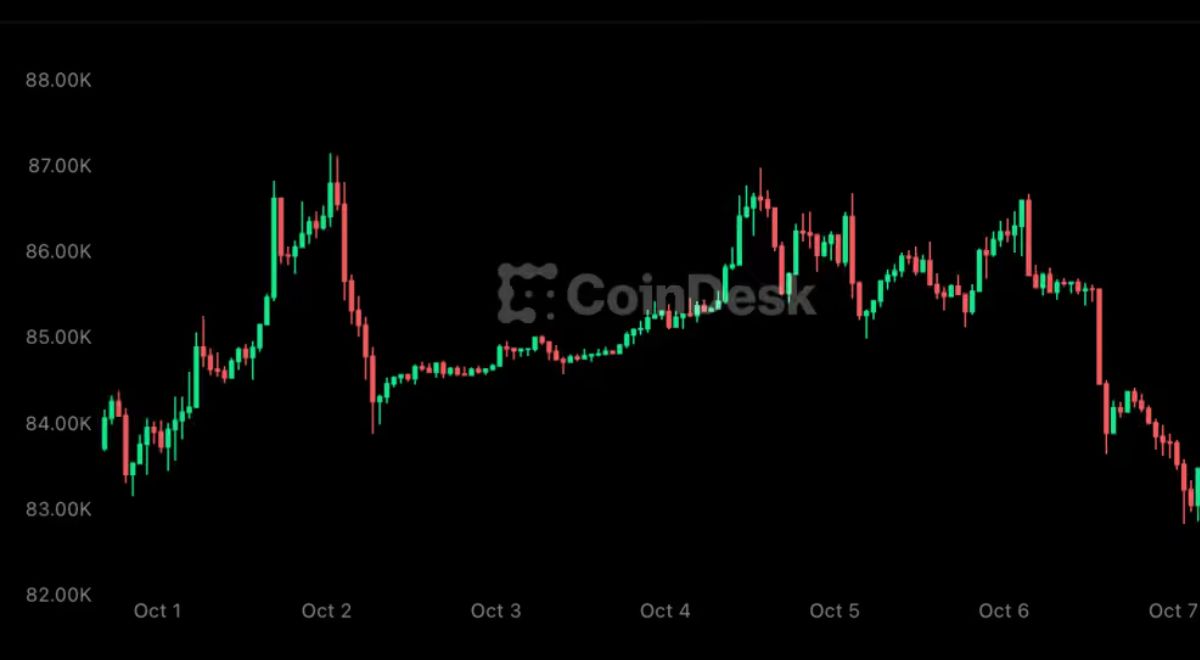
Bitcoin’s price swings are one of its biggest weaknesses. A reserve currency must be stable, yet Bitcoin can gain or lose significant value within days. This unpredictability makes it risky for central banks managing national reserves.
2. Regulatory Uncertainty
Governments around the world have mixed stances on cryptocurrencies. Some embrace them, while others impose strict regulations or outright bans. Institutions like the International Monetary Fund have also raised concerns about financial stability and monetary sovereignty.
3. Scalability and Efficiency
Bitcoin’s network, while secure, is relatively slow and energy-intensive compared to modern payment systems. For global reserve usage, scalability would need significant improvement.
4. Lack of Trust as a Stable Store of Value
Despite its “digital gold” narrative, Bitcoin has not yet proven itself as a reliable long-term store of value in the way traditional reserve assets have.
Opportunity or Illusion?
The idea of Bitcoin as the world’s reserve currency sits somewhere between visionary and unrealistic—at least for now.
- Opportunity:
Bitcoin could reshape aspects of global finance, especially in countries with weak currencies or unstable economies. It may serve as a complementary reserve asset or “digital gold.” - Illusion:
Replacing the US dollar entirely is a far more complex challenge. It requires not just technology, but global political alignment, economic stability, and institutional trust—areas where Bitcoin still falls short.
The Most Likely Future
Rather than a complete takeover, a more realistic scenario is a hybrid system:
- Fiat currencies remain dominant
- Bitcoin and other digital assets act as alternative reserves
- Central banks explore their own digital currencies (CBDCs)
In this evolving landscape, Bitcoin may not become the reserve currency—but it could become an important piece of the global financial puzzle.