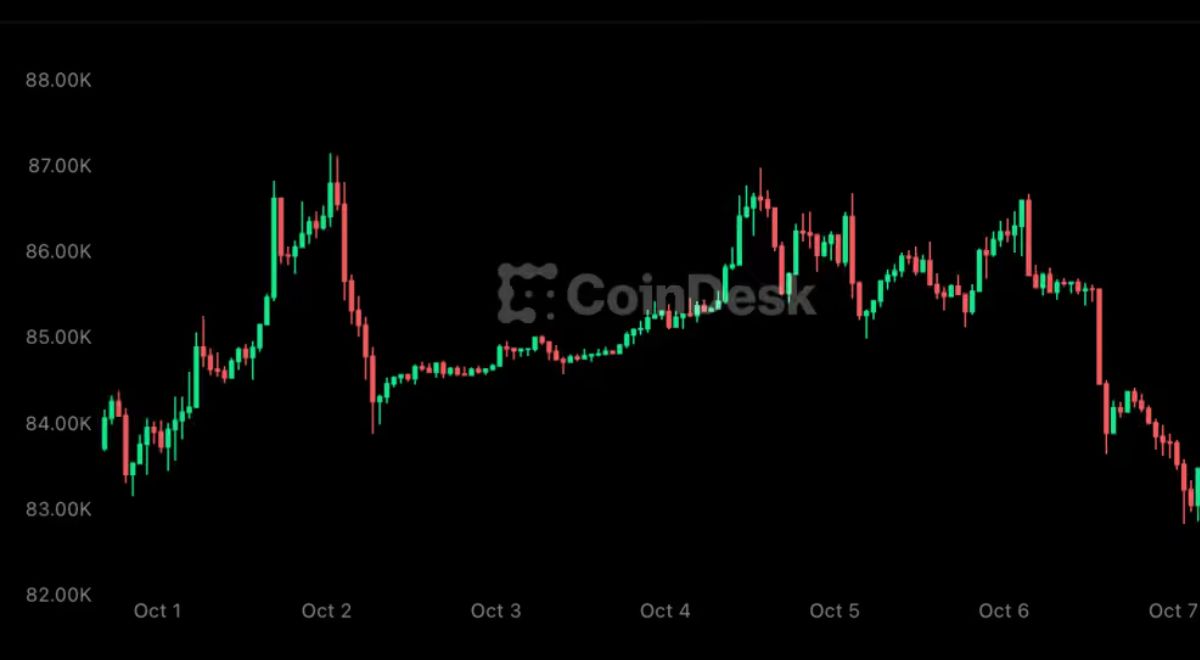
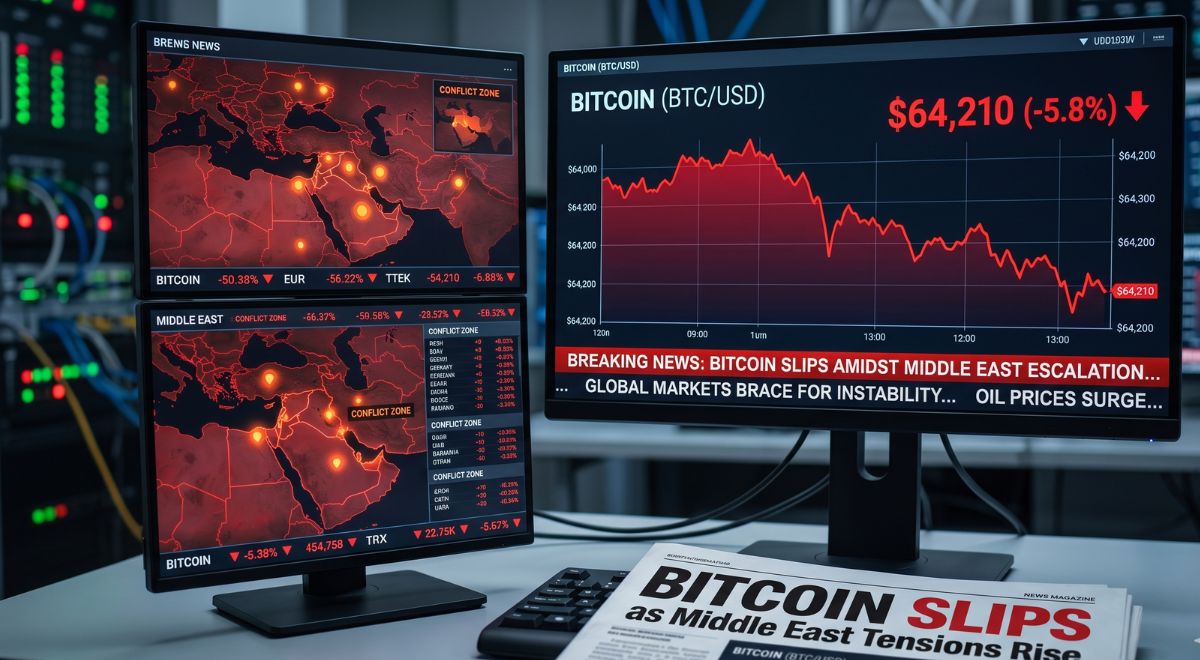
Global financial markets are once again feeling the pressure of geopolitical uncertainty, as rising tensions in the Middle East weigh heavily on investor sentiment. Among the affected assets is Bitcoin, which has experienced a noticeable dip amid growing concerns over regional instability.
Table of Contents
ToggleMarket Reaction to Geopolitical Stress
Historically, Bitcoin has often been viewed as a hedge against traditional financial risks. However, in times of acute geopolitical tension, investors tend to move toward more established safe-haven assets such as gold and the US dollar. This shift in capital allocation has contributed to Bitcoin’s recent decline.
As news of escalating conflict spreads, global markets typically react with heightened volatility. Cryptocurrencies, known for their sensitivity to market sentiment, often see rapid price fluctuations during such periods. The current situation in the Middle East is no exception.
Why Bitcoin Is Falling
Several key factors are driving Bitcoin’s downward movement:
- Risk-Off Sentiment: Investors are reducing exposure to high-risk assets, including cryptocurrencies.
- Liquidity Shifts: Capital is flowing into traditional safe havens, reducing demand for digital assets.
- Macroeconomic Pressure: Rising oil prices and inflation concerns linked to Middle East instability are influencing broader financial markets.
- Uncertainty in Regulation: Geopolitical crises often delay or complicate regulatory clarity, impacting crypto investor confidence.
Broader Crypto Market Impact
Bitcoin’s decline has also affected the wider cryptocurrency market. Major altcoins such as Ethereum and Solana have mirrored the downward trend, reflecting the interconnected nature of digital assets. When Bitcoin moves, the rest of the market typically follows.
Additionally, increased volatility has led to liquidations in leveraged trading positions, further accelerating price drops across exchanges.
Is This Temporary or a Trend?
Despite the current dip, many analysts believe this could be a short-term reaction rather than a long-term bearish trend. Bitcoin has historically rebounded after geopolitical shocks once market stability returns.
Long-term investors often view such corrections as buying opportunities, especially if underlying fundamentals—such as adoption, institutional interest, and network strength—remain intact.