
Bitcoin showed resilience despite renewed geopolitical uncertainty after fresh military exchanges involving Israel, Hezbollah, and Iran raised concerns over a broader conflict in the Middle East.
Tensions escalated after Israeli forces launched strikes in southern Beirut, targeting sites that officials said were linked to Hezbollah, the Iran-backed Lebanese group. According to Lebanese authorities, the attacks killed two people and injured at least 20 others.
Israeli Prime Minister Benjamin Netanyahu defended the operation, describing it as a response to previous attacks carried out by Hezbollah against Israel. Israeli officials said the strikes were aimed at Hezbollah personnel and infrastructure.
The latest confrontation marks another escalation in the long-standing conflict between Israel and Hezbollah, adding to growing instability across the region.
In response, Iran’s Islamic Revolutionary Guard Corps (IRGC) announced retaliatory strikes against Israel. Iranian officials characterized the action as a warning rather than a major escalation but warned that further military measures could follow if Israeli operations continue.
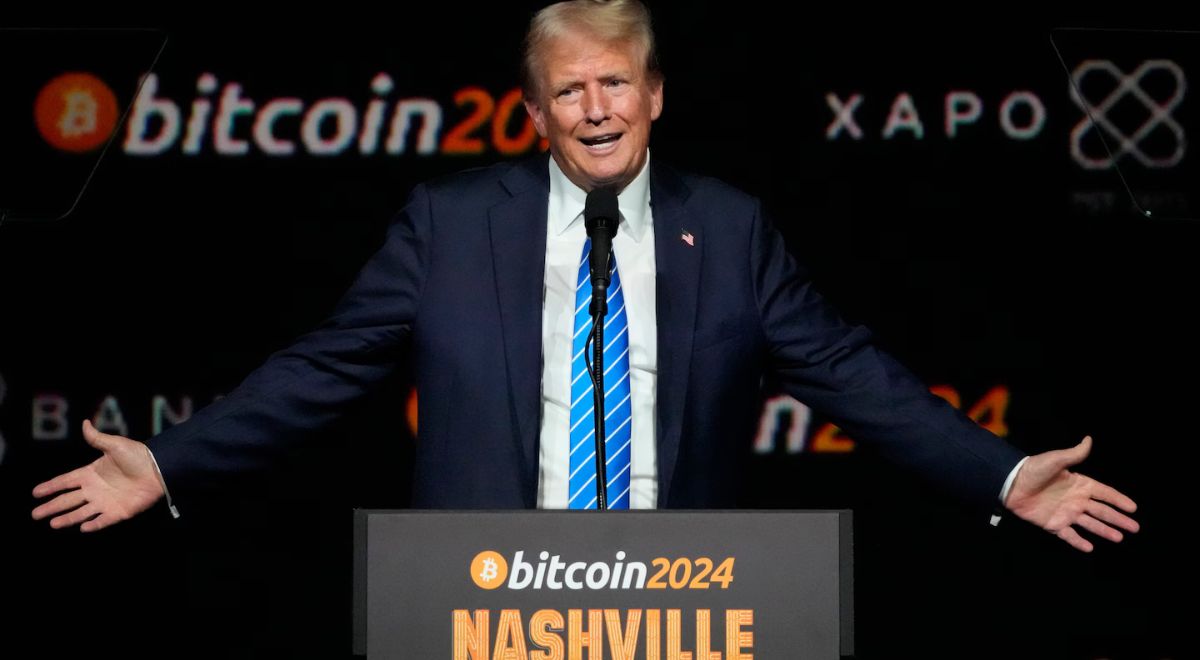
The developments also drew a response from the United States. President Donald Trump said he had been briefed on the situation and expressed concern over Israel’s actions, noting that the strikes had not been coordinated with Washington. Trump reiterated calls for diplomacy and urged Iran to return to negotiations.
His comments followed earlier remarks suggesting that progress toward a broader peace agreement was being made and that an announcement could come in the coming days. Trump also said he planned to speak with Netanyahu in an effort to discourage further retaliatory action.
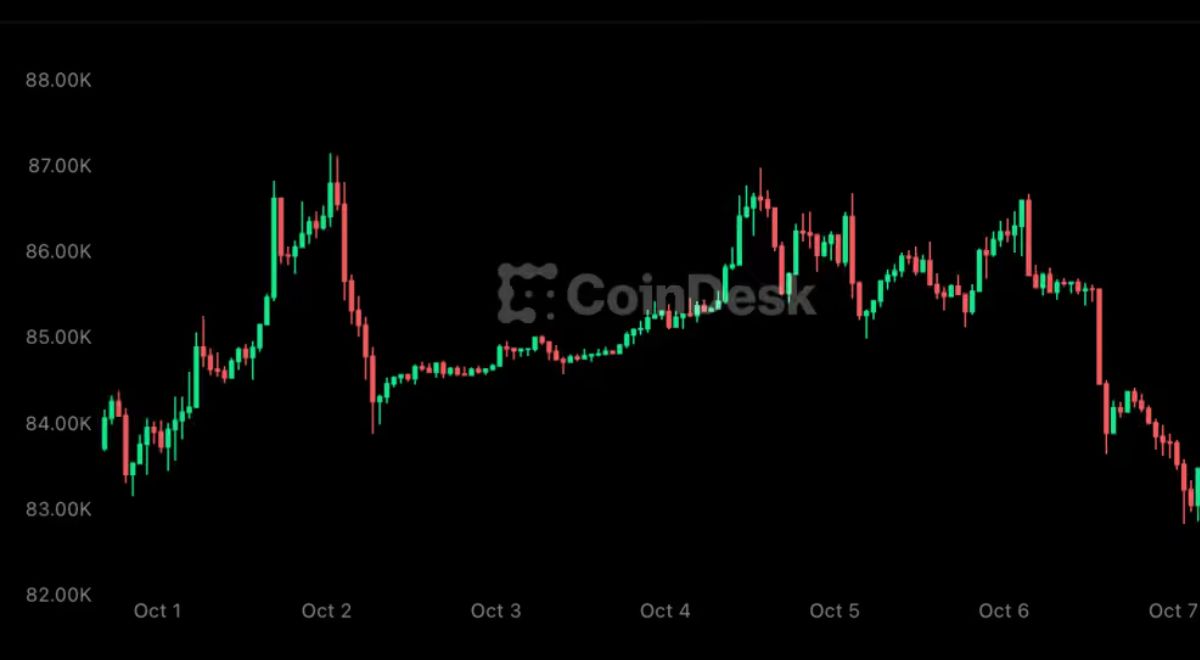
Financial markets reacted cautiously to the latest geopolitical developments. Bitcoin briefly slipped from around $62,000 to approximately $61,200 following reports of the military exchanges. However, the decline was short-lived, with the cryptocurrency recovering most of its losses and returning close to previous trading levels.
While the market response remained relatively muted, Bitcoin continues to trade well below its mid-May peak. The world’s largest cryptocurrency remains roughly $20,000 below its high near $82,000, highlighting the broader correction that has weighed on digital assets in recent weeks.
Market analysts suggest that easing geopolitical tensions could provide support for a stronger recovery in cryptocurrency markets. Companies with exposure to the sector, including American Bitcoin Corp. (NASDAQ: ABTC), are also likely to be watching developments closely as investors assess the impact of regional instability on risk assets.