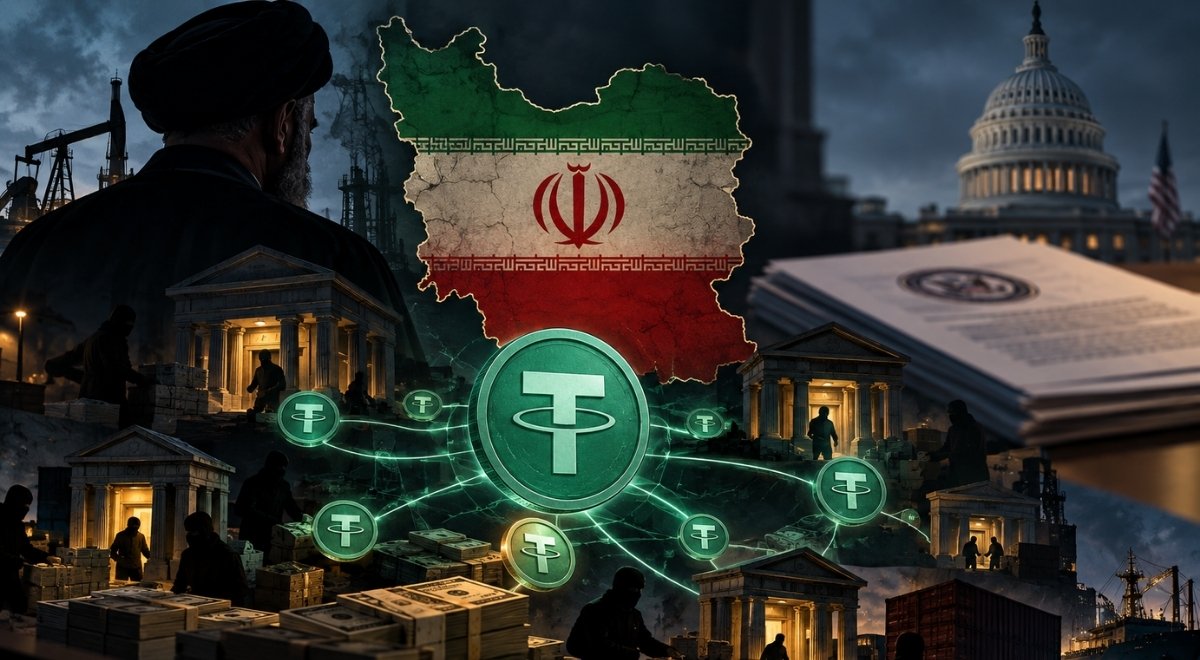
Tether’s USDT stablecoin has emerged as a major financial channel within Iran’s shadow banking network, helping Iranian-linked entities move funds internationally and supporting proxy organizations, including Hezbollah, according to a new report from Democratic investigators on the U.S. Senate Permanent Subcommittee on Investigations.
The investigation, led by Senator Richard Blumenthal of Connecticut, examined blockchain transaction data from 846 cryptocurrency wallets that had been sanctioned or targeted for seizure by the United States and Israel because of their links to Iran and regional proxies.
According to the report, 84% of the wallets had conducted transactions exclusively or almost exclusively in USDT. Investigators said the activity included efforts to move money into and out of Iran and support the country’s currency despite U.S. sanctions, including transactions involving the Central Bank of Iran.
Blumenthal said the findings indicate that Tether’s dollar-pegged stablecoin has become an important component of Iran’s shadow financial system. He called on the U.S. Treasury and Justice Departments to investigate whether Tether violated sanctions or banking laws.
The report also linked Iran’s crypto-based financial network to the procurement and sale of drones and other military equipment, as well as financial activity involving regional proxy organizations.
Tether, however, rejected the characterization of USDT as a safe haven for sanctioned or criminal actors. The company said it cooperates with U.S. authorities and supported the freezing of nearly $550 million in Iran-linked USDT during 2026. Tether CEO Paolo Ardoino said the company has worked to prevent its tokens from being used by sanctioned entities and criminal networks.
The findings come as U.S. authorities continue expanding sanctions targeting Iran’s financial networks and cryptocurrency-related activity.