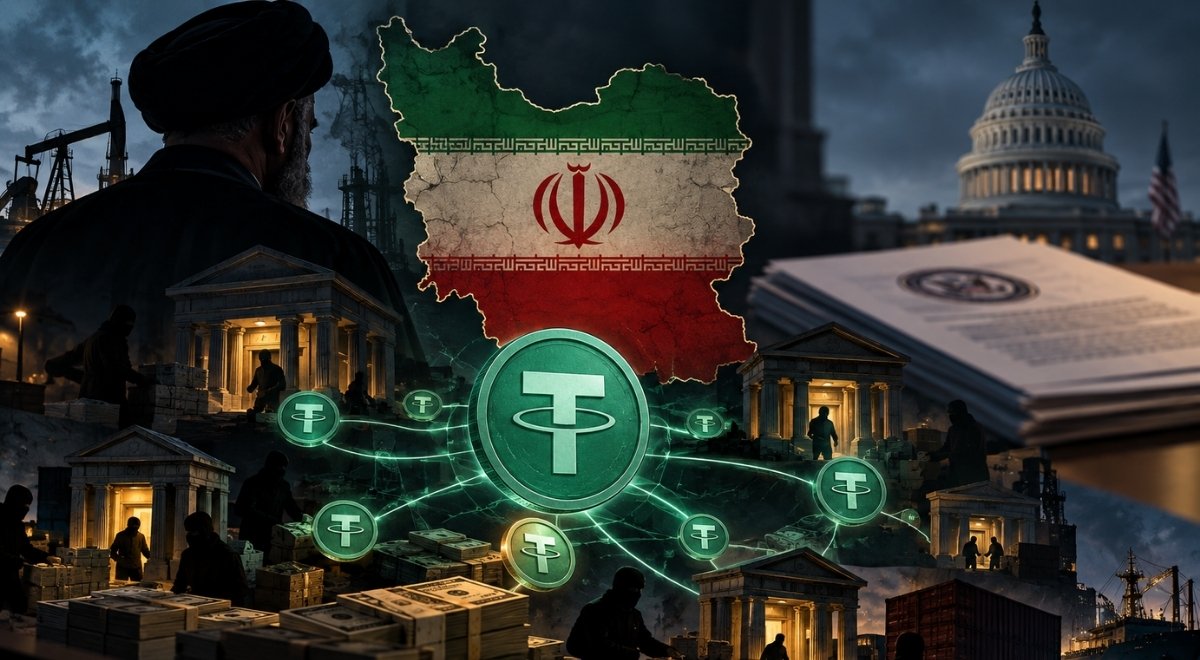
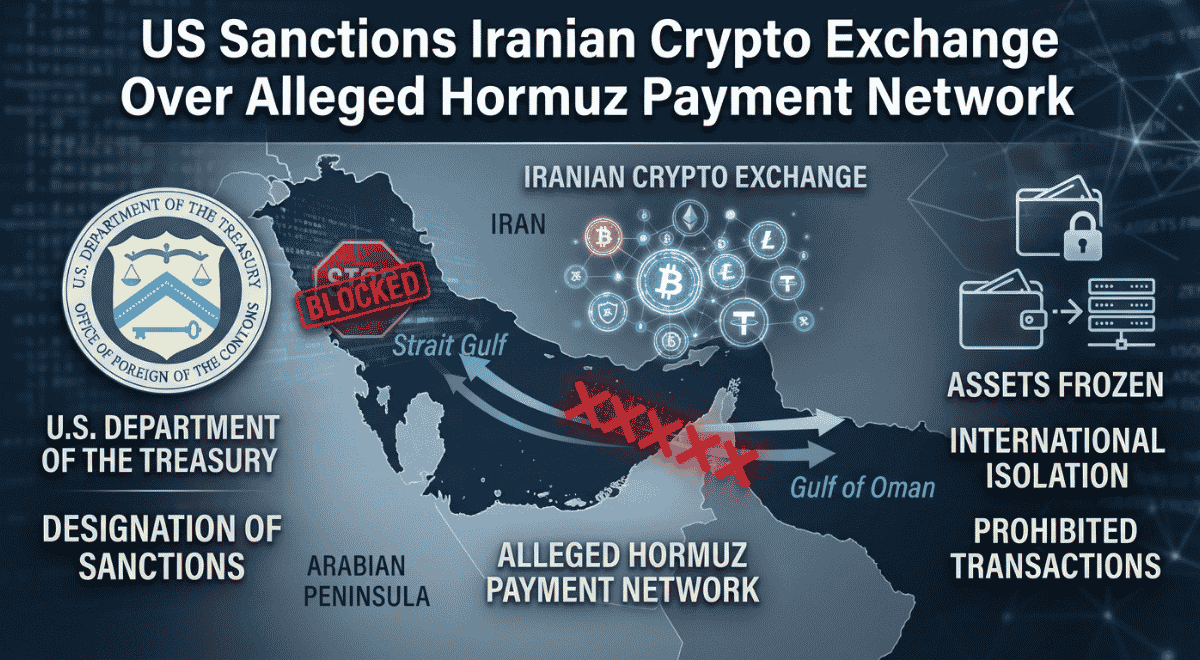
LONDON, Sept. 17, 2026 — The United States has imposed sanctions on an Iranian cryptocurrency exchange controlled by sanctioned financier Babak Zanjani, alleging that the platform was used to process payments linked to vessels seeking safe passage through the Strait of Hormuz.
The US Treasury Department said BitBank had transferred hundreds of millions of dollars to Iran’s Islamic Revolutionary Guard Corps (IRGC) and described the exchange as a significant part of Iran’s digital-asset infrastructure for evading sanctions.
According to the Treasury, BitBank was also used to transfer funds paid to Iran’s newly established Hormuz Safe Marine Services Authority.
Zanjani has previously been identified by US authorities as a key figure in Iranian sanctions-evasion networks. Iranian authorities sentenced him to death in 2016 following an embezzlement case, but the sentence was commuted in 2024. He later returned to public attention as a backer of Iranian government-linked economic projects.
The latest sanctions form part of the Treasury Department’s “Operation Economic Outcast,” a campaign aimed at restricting Iran’s access to international financial and commercial networks. The initiative has focused on areas including Iran’s oil trade, financial intermediaries, exchange houses, shipping, aviation and front companies.
The US also designated Pishtaz Simorgh Electronic Trade Company, the software developer behind BitBank, along with three individuals described as close associates of Zanjani: Hossein Ali Zaker Hossein, Mohammad Mahdi Zaker Hossein and Seyed Adel Heidari.
The action follows sanctions imposed by the Treasury in January against Zanjani and two of his major digital-asset ventures, Zedcex Exchange Limited and Zedxion Exchange Limited. At the time, US authorities accused the entities of laundering money for the IRGC.
In July, the United States announced additional sanctions against nine companies linked to Zanjani, including his Iran-based Dot One conglomerate and businesses operating in Turkey and the United Arab Emirates, as well as senior executives associated with those firms.
The Treasury said the network operated through a combination of publicly visible businesses and financial platforms that authorities allege were used to bypass sanctions and provide financial support to Iranian state-linked entities.