Efforts to establish a comprehensive U.S. regulatory framework for cryptocurrencies are increasingly shifting from Congress to federal financial regulators as lawmakers struggle to advance legislation.
Senate Banking Committee Chair Tim Scott, a Republican from South Carolina, said the legislative process had moved forward but argued that the Securities and Exchange Commission (SEC) and Commodity Futures Trading Commission (CFTC) should now provide clearer rules for digital assets while Congress considers further action.
“We moved the ball forward, and now it’s time for the SEC and CFTC to set clear rules of the road for digital assets until Congress legislates,” Scott said.
The agencies’ upcoming regulatory initiatives could further integrate cryptocurrencies into the traditional financial system. At the same time, the plans are likely to face political scrutiny, particularly from Democrats who have raised concerns about what they view as the regulators’ more accommodating approach toward crypto companies.
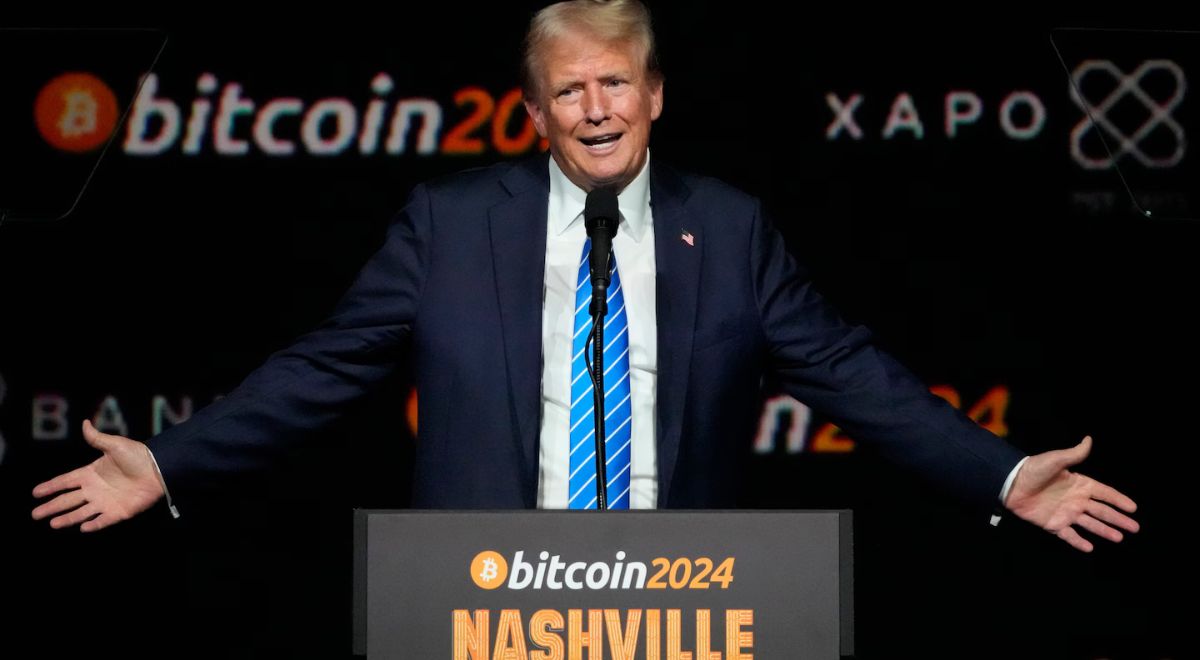
President Donald Trump returned to the White House with a pledge to make the United States a global hub for cryptocurrency and develop a regulatory framework designed specifically for the digital asset industry, which represents a market worth more than $2 trillion.
However, with the Clarity Act facing significant delays and its future uncertain, the SEC and CFTC are emerging as important avenues for advancing crypto regulation without new legislation from Congress.
CFTC Chair Michael Selig said the agency intends to use its existing legal authority to advance the administration’s digital asset agenda.
“President Trump promised to deliver a future-proof crypto asset regulatory market structure one way or the other, and we will help him get the job done using our existing statutory authorities,” Selig said. He added that the CFTC was prepared to develop rules for what he described as a new era of financial markets.
SEC Chair Paul Atkins has similarly indicated that the agency plans to move forward within its existing statutory authority. He said the SEC would pursue measures intended to provide greater certainty for investors and businesses involved in financial technology.
The regulators could face opposition from both political groups and traditional financial institutions. Some major Wall Street firms are expected to closely monitor whether new rules could allow crypto companies to enter areas traditionally dominated by established financial firms without being subject to comparable regulatory requirements.
The absence of congressional legislation could also create longer-term uncertainty. The Clarity Act would have established a statutory framework that could help support regulatory measures in court and provide greater continuity if future administrations take a different approach to cryptocurrency policy.
Among the issues under consideration is the move toward 24-hour financial markets, a model closely associated with cryptocurrency trading. The SEC and CFTC are examining whether existing rules should be updated to accommodate digital-asset-based markets.
The SEC is also expected to introduce a closely watched initiative that could facilitate the trading of U.S. stocks using blockchain and other cryptocurrency-related technologies. The proposal has attracted attention from traditional financial companies, including Citadel Securities, which has raised concerns about how such changes could affect existing market structures.
With congressional action uncertain, the next phase of U.S. crypto regulation could therefore depend heavily on how far the SEC and CFTC are prepared to go under their existing authority—and how those efforts withstand political, industry and legal challenges.