Ceasefire Uncertainty Raises Fresh Concerns
Investor optimism surrounding a recently announced ceasefire agreement between Israel and Lebanon has quickly faded after Hezbollah rejected key terms of the deal, casting uncertainty over prospects for broader regional stability.
The ceasefire, brokered with US involvement, had been viewed as a potential stepping stone toward easing tensions between Iran and the United States. However, Hezbollah, which is backed by Iran, stated it was not involved in the negotiations and insists that any agreement must include a complete Israeli withdrawal from southern Lebanon.
Meanwhile, hostilities continue across the region. Israeli forces have maintained strikes on targets in Lebanon, while additional drone attacks have been reported in the Gulf. The latest incident targeted Oman’s Mina al Fahal oil terminal, underscoring the fragile security environment.
The developments have challenged expectations that a US-Iran agreement could be reached in the coming days, despite earlier optimism from President Donald Trump.
Table of Contents
ToggleOil Markets Remain Surprisingly Calm
Despite renewed geopolitical uncertainty, energy markets have shown little sign of panic. Traders appear increasingly convinced that Washington is seeking to avoid a full-scale military confrontation with Iran, reducing fears of an immediate escalation.
Crude prices have eased from earlier highs, with both WTI and Brent futures retreating modestly as investors focus on ongoing diplomatic efforts rather than the absence of a breakthrough agreement.
Even with the recent pullback, oil remains on track for a strong weekly performance. WTI crude is set to gain approximately 6% for the week, while Brent is heading toward a 3% advance.
Labour Market Concerns Pressure the Dollar
The US dollar has followed a similar path to oil, rallying earlier in the week before losing momentum. Alongside geopolitical developments, shifting expectations for Federal Reserve policy have played a key role in market movements.
Recent US economic data pointed to signs of softening in the labour market. Weekly jobless claims increased, while May’s Challenger layoffs report also showed a rise in planned job cuts.
Comments from Federal Reserve officials added to market uncertainty. San Francisco Fed President Mary Daly suggested policymakers should remain flexible and be prepared to respond to changing economic conditions. Meanwhile, Kansas City Fed President Jeffrey Schmid adopted a more hawkish stance, indicating that future rate increases remain a possibility.
Nonetheless, expectations for additional tightening eased slightly, pushing Treasury yields lower and reducing support for the US dollar.
Yen Stabilizes Amid Intervention Speculation
The Japanese yen has shown signs of stabilization after recent weakness, with traders increasingly speculating that Japanese authorities may have intervened in currency markets.
After approaching the psychologically important 160-per-dollar level earlier this week, the yen experienced several sudden rebounds. Market participants also point to stronger rhetoric from the Bank of Japan and renewed verbal warnings from officials as contributing factors.
Adding support to the currency, Japan reported stronger-than-expected wage growth data, reinforcing expectations that the Bank of Japan could raise interest rates later this month. However, uncertainty about the central bank’s willingness to act aggressively continues to leave the yen vulnerable.
Attention now turns to the US nonfarm payrolls report, which could significantly influence both dollar and yen trading. A stronger-than-expected jobs reading could renew pressure on Japanese authorities to defend their currency.
Technology Stocks Pull Back as Investors Rotate
On Wall Street, investors have adopted a more cautious approach ahead of the closely watched employment report. While geopolitical developments remain a concern, much of the market weakness reflects profit-taking after a powerful rally in artificial intelligence-related stocks.
The Nasdaq Composite fell for a second consecutive session on Thursday as investors reduced exposure to high-growth technology names. In contrast, the S&P 500 and Dow Jones Industrial Average advanced as capital rotated into more traditional sectors.
The weakness extended to Asian markets, where Japanese and South Korean indices declined, led by semiconductor stocks. Sentiment was further impacted by Broadcom’s latest earnings outlook, which failed to meet some investors’ expectations.
Cryptocurrencies Extend Sharp Decline
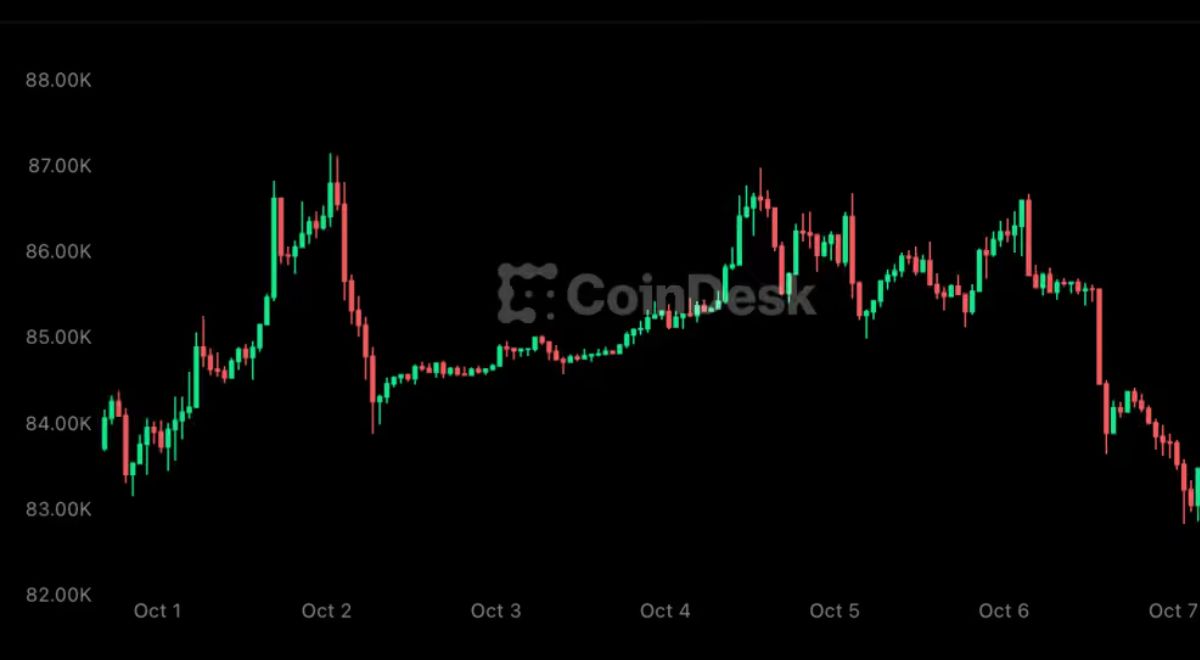
Digital assets have also come under pressure during the broader market selloff. Bitcoin and Ethereum have recorded weekly losses of roughly 12% and 13%, respectively.
The decline accelerated after reports that Michael Saylor’s Strategy (NASDAQ: MSTR) sold a portion of its Bitcoin holdings, an unusual move that sparked concerns about weakening institutional confidence and the possibility of a deeper downturn in the cryptocurrency market.
Investors Focus on Key Payrolls Report
With geopolitical uncertainty lingering, central bank expectations shifting, and risk assets facing renewed pressure, markets are now looking to the latest US nonfarm payrolls data for direction.
The employment report is expected to provide critical insight into the strength of the US economy and could influence expectations for Federal Reserve policy, setting the tone for global markets in the weeks ahead.