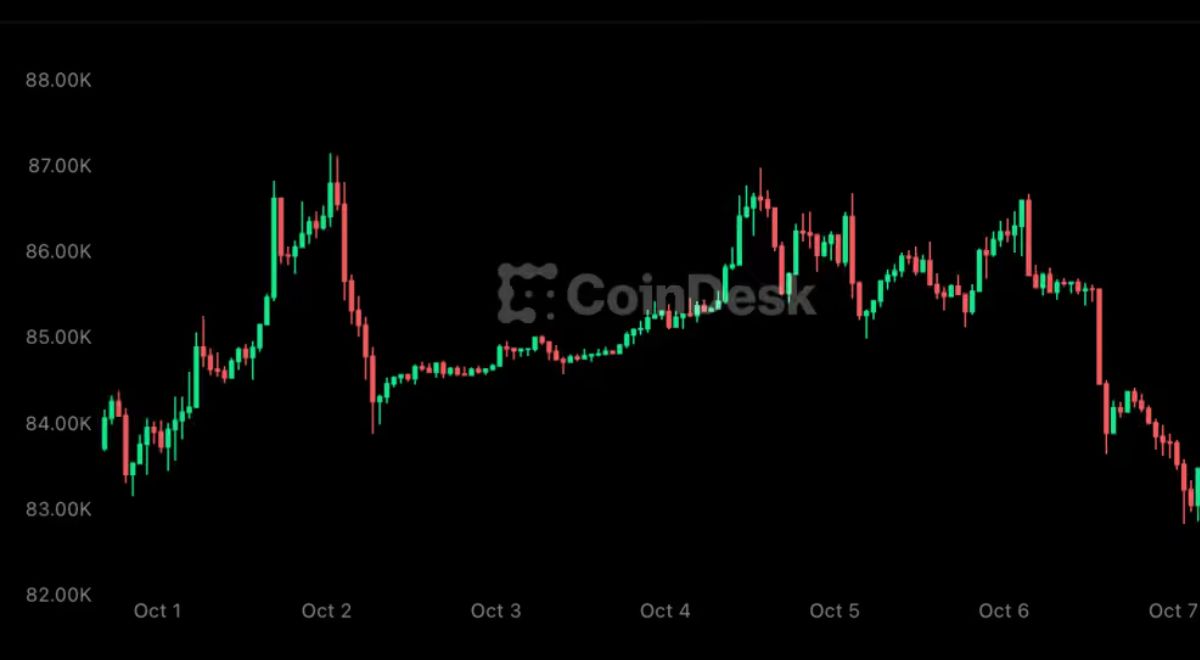

Bitcoin remained under pressure on Thursday, trading below $78,200 as weakening institutional demand and renewed geopolitical tensions between the United States and Iran weighed on broader risk sentiment.
The world’s largest cryptocurrency has fallen roughly 3% since the start of the week, with investors increasingly cautious amid persistent uncertainty in financial markets.
Table of Contents
ToggleUS Bitcoin ETFs See Continued Outflows
Recent flows from US spot Bitcoin exchange-traded funds (ETFs) are adding to concerns over institutional demand.
According to data from SoSoValue, US spot Bitcoin ETFs recorded $120.24 million in net outflows on Wednesday, following $46.65 million in withdrawals on Tuesday.
The consecutive outflows suggest that institutional investors may be becoming more cautious toward Bitcoin. If the trend continues or accelerates in the coming days, the cryptocurrency could face additional downside pressure.
Strait of Hormuz Tensions Add to Market Uncertainty
Geopolitical developments in the Middle East are also weighing on investor sentiment.
Iran said it had attacked 10 vessels near the Strait of Hormuz after the United States announced that it had sunk five Iranian oil tankers. The developments have intensified concerns over potential disruptions to oil supplies from the region.
Oil prices have responded sharply. West Texas Intermediate (WTI) crude has gained more than 5% since the beginning of the week, rising above $95 a barrel on Thursday and reaching its highest level since late May.
Higher oil prices could add to inflationary pressures and further complicate the outlook for global monetary policy. That could make investors less willing to take exposure to riskier assets such as cryptocurrencies.
Higher Rates Could Limit Bitcoin’s Recovery
The broader macroeconomic environment is presenting another challenge for Bitcoin.
Simon-Peter Masabni, head of business development at XS.com, told FXStreet that the cryptocurrency market’s recovery is facing a difficult backdrop as investors contend with stronger US economic data, elevated Treasury yields and rising geopolitical risks.
Masabni said stronger US labor market data have reinforced expectations for another Federal Reserve interest rate hike, while higher US Treasury yields continue to weigh on risk-sensitive assets.
He also pointed to the latest escalation in the Middle East and its impact on oil prices. A prolonged period of elevated crude prices could reignite inflation concerns and encourage major central banks to maintain restrictive monetary policies for longer.
For Bitcoin, that combination could make a sustained recovery more difficult. With institutional ETF flows weakening, geopolitical risks rising and monetary conditions remaining tight, investors may continue to approach the cryptocurrency market with caution in the near term.