
President Donald Trump has publicly backed efforts to bring Hyperliquid, a relatively little-known offshore cryptocurrency trading platform, into the United States, putting the company’s expansion plans under closer scrutiny from regulators and Wall Street.
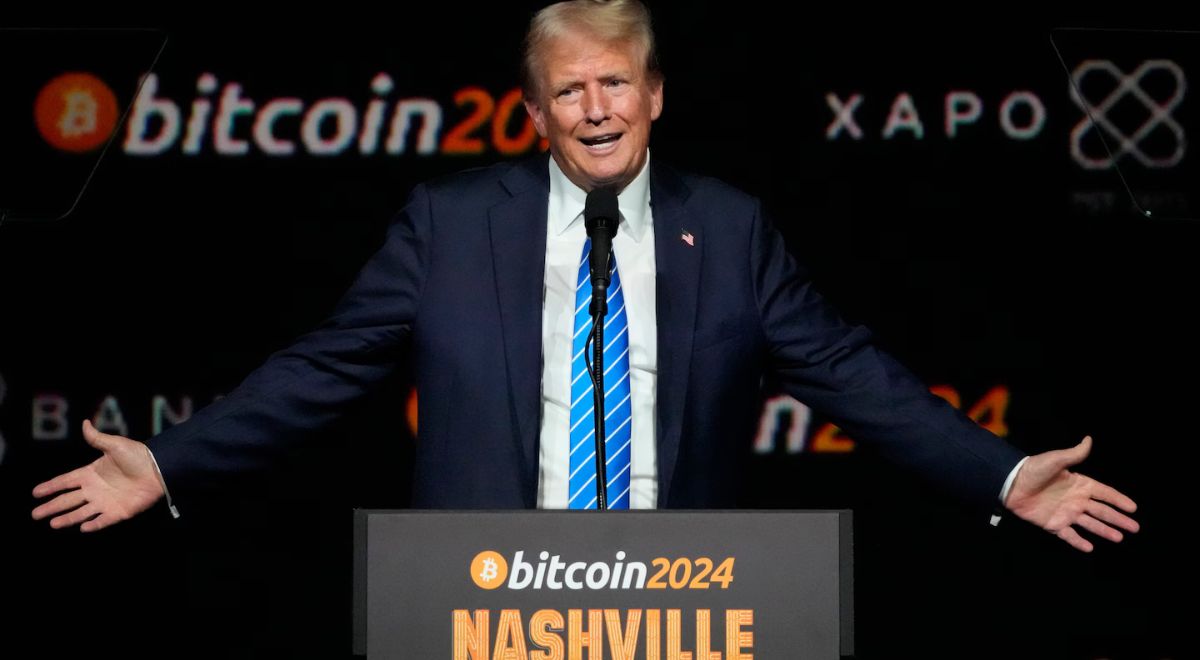
The issue came into focus at the White House last week when Trump unexpectedly highlighted his administration’s efforts to bring Hyperliquid onto U.S. soil. The president’s comments have drawn attention to the growing influence of the cryptocurrency industry in Washington and could strengthen Hyperliquid’s push to gain access to American customers.
The mention of Hyperliquid reportedly followed a request from the Commodity Futures Trading Commission (CFTC), according to a person familiar with the matter. The source said agency staff wanted to demonstrate their commitment to encouraging cryptocurrency businesses to operate within the United States under a regulated framework.
Jake Chervinsky, head of the Hyperliquid Policy Center, said Trump’s comments were unexpected but underscored the importance of efforts to establish a legal and compliant U.S. presence for the platform.
“There’s really no dark arts to this,” Chervinsky said, describing the administration’s interest as evidence of the growing priority being given to bringing crypto businesses into the U.S. regulatory system.
Table of Contents
ToggleRegulatory Questions Remain
Despite the presidential backing, significant questions remain over how Hyperliquid would be brought into compliance with U.S. financial regulations.
The CFTC, led by Michael Selig, has indicated that it intends to approach the process cautiously. Trump said last week that Selig was working to bring Hyperliquid into the country in a manner that would be “fully compliant and legal.”
The precise regulatory structure, however, has yet to be determined.
Hyperliquid’s supporters have assembled prominent advisers and legal and lobbying firms to help navigate the process. Among them are Washington lobbying firm BGR Group and Sullivan & Cromwell, a major U.S. law firm with ties to the Trump administration.
Wall Street Could Face New Competition
The effort could also intensify an ongoing debate over competition between traditional financial institutions and cryptocurrency companies.
Banks, exchanges and other established financial firms have increasingly clashed with crypto businesses over regulation, market access and the future structure of financial markets. Many crypto companies have gained stronger support from the Trump administration as Washington has moved toward a more accommodating stance on digital assets.
Wall Street firms are likely to pay close attention to how regulators handle Hyperliquid’s entry into the U.S. market. A key concern will be whether the platform faces the same regulatory requirements that apply to established financial exchanges and trading venues.
Former CFTC Commissioner Dawn Stump said established financial companies are accustomed to competition but argued that new entrants should operate under comparable regulatory standards.
“The incumbents are accustomed to fierce competition, they’re not afraid of that,” Stump said. However, she added that new companies and established players should have a “level playing field” when it comes to fundamental U.S. regulatory requirements.
Why Hyperliquid Is Gaining Attention
Hyperliquid has grown rapidly since launching about three years ago and has attracted attention for offering round-the-clock trading tied to the prices of assets such as stocks, gold and oil.
Its 24/7 trading model helped put the platform in the spotlight earlier this year when geopolitical tensions surrounding the Iran war disrupted markets. Hyperliquid was among the few venues offering oil-related trading products during the weekend, when many traditional markets were closed.
That combination of continuous trading and cryptocurrency-based infrastructure has helped distinguish Hyperliquid from conventional financial exchanges.
Bringing the platform into the United States could therefore mark a significant test for regulators as they attempt to determine how emerging crypto trading models should fit within long-established financial rules.
For Wall Street, the outcome could be equally important. If Hyperliquid successfully establishes a compliant U.S. operation, it could open the door for other offshore crypto platforms to seek similar treatment — potentially increasing competition for traditional financial markets.